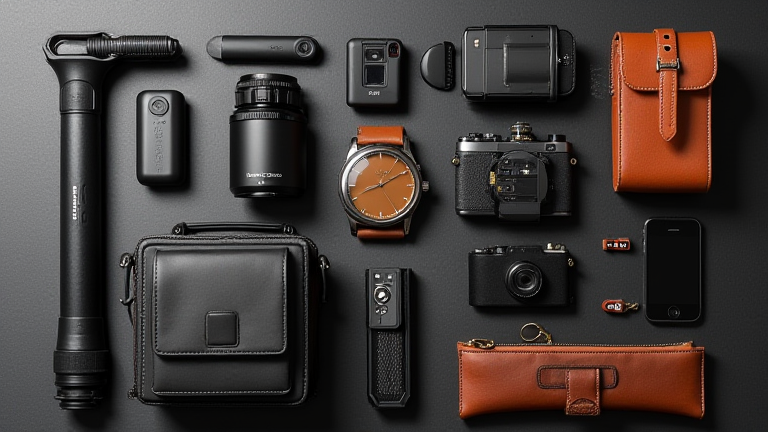
Author: Liam Byrne

  • 15 Years of EDC: My Daily Carry Routine

    15 Years of EDC: My Daily Carry Routine

    TL;DR: A robust daily carry system relies on a curated set of essential tools that prioritize utility over accumulation. By regularly auditing your gear and focusing on high-quality, reliable items, you ensure readiness without unnecessary bulk.

    The Foundation: The Pocket Knife

    Start with a single, high-quality folding knife. After fifteen years of carrying, I have learned that one excellent tool is far superior to a collection of mediocre ones. Choose a knife with a full-flat grind for maximum edge retention and a lock that you can open one-handed without hesitation. Keep it in your front pocket for immediate access. Regularly lubricate the pivot and clean the blade to prevent corrosion and sticking. This is your primary cutting tool, so treat it with respect.

    Lighting: The Flashlight

    Next, secure a reliable flashlight. A compact, high-lumen tactical light is the standard choice. Ensure it has a side switch for easy operation and a clip for secure attachment. Position it in your back pocket or on your belt loop. Test the battery weekly, even if you do not use it daily. A dead light when you need it most is a critical failure point. Consider carrying a spare battery if your model allows it, or choose a rechargeable unit that plugs into your car charger or USB hub.

    Fire and Friction: The Ferro Rod

    Fire starters are non-negotiable for survival and utility. A magnesium ferrocerium rod is my go-to because it works when wet, in the wind, and at high altitudes. Keep it in a small pouch or a dedicated pocket. Practice striking it to create a shower of sparks. Pair it with a small piece of cotton ball soaked in petroleum jelly for a quick ignition source. This combination provides a reliable backup for starting fires in camp or emergency situations.

    First Aid: The Medical Kit

    Your health is the ultimate asset. Carry a compact first aid kit containing band-aids, gauze, antiseptic wipes, and tweezers. Customize this kit based on your specific medical needs. If you take daily medication, carry a small supply. Learn how to use each item before you need it. A kit you do not understand is useless. Keep it in an easily accessible location, such as a small pouch attached to your belt or bag.

    Maintenance and Mindset

    Finally, maintain a routine. Clean your gear regularly and replace worn-out components immediately. Do not let a dull knife or a dead battery become the norm. Your EDC is an extension of your preparedness mindset. Keep it simple, keep it functional, and keep it ready. The best EDC is the one you actually use and trust.

    FAQ

    Q: What is the most common mistake beginners make?
    A: Over-purchasing. Many people buy too many items they do not use, leading to clutter and neglect. Focus on mastering a few core tools first.

    If you want to dig deeper, check out our guide on Flock Cameras: From Crime Fighters to Traffic Ticket Tools.

    Q: How often should I clean my EDC gear?
    A: Clean your knife after every use and inspect your flashlight and fire starter monthly. Perform a full audit of your kit quarterly to ensure everything is functional and stocked.

    Q: Is it necessary to carry all these items every day?
    A: Yes, consistency is key. Carrying your gear daily builds familiarity and ensures it is always ready. However, adjust the quantity based on your specific daily activities and environment.


    Related Articles

  • MacBook Pro vs. MacBook Air: Which Apple Laptop Should You Buy?

    MacBook Pro vs. MacBook Air: Which Apple Laptop Should You Buy?

    MacBook Pro vs. MacBook Air: Which Apple Laptop Should You Buy?

    TL;DR: Choose the MacBook Pro if you require sustained high performance for video editing, 3D rendering, or heavy multitasking without thermal throttling. Opt for the MacBook Air if you prioritize all-day battery life, silent operation, and portability for general productivity and media consumption.

    The debate between Apple’s two flagship laptop lines has evolved significantly with the introduction of the M3 and M4 chip architectures. While the MacBook Air remains a powerhouse for most users, the MacBook Pro continues to define the ceiling of what consumer laptops can achieve. Understanding the nuanced differences is crucial for making an informed purchasing decision that aligns with your specific workflow and budget constraints.

    If you want to dig deeper, check out our guide on Quantum Computing: Mainstream Commercial Viability Arriving.

    Performance and Thermal Management

    The core distinction lies in thermal design. The MacBook Pro features an active cooling system with fans, allowing its M-series chips to sustain peak clock speeds for extended periods. This makes it indispensable for professionals running intensive applications like Adobe Premiere Pro or Final Cut Pro. In contrast, the MacBook Air is fanless. While the latest M3 and M4 models are incredibly capable, they rely on passive cooling. For short bursts of intense work, the Air performs admirably, but under sustained loads, it will throttle to prevent overheating, resulting in a noticeable drop in speed. For developers compiling large codebases or engineers running simulations, the Pro’s sustained throughput is a critical advantage.

    Display, Connectivity, and Ecosystem

    Apple has differentiated the display technologies between the two lines. The MacBook Pro utilizes the mini-LED “Liquid Retina XDR” display, offering a peak brightness of 1600 nits and a ProMotion 120Hz refresh rate. This provides superior contrast and smoother motion, which is vital for color-accurate work. The MacBook Air, while offering excellent color accuracy and brightness, sticks to a 60Hz panel, which may feel less responsive to users accustomed to high-refresh-rate screens. Regarding connectivity, the Pro offers more Thunderbolt/USB 4 ports and supports higher-resolution external displays, making it a better hub for complex setups. The Air, however, is lighter and thinner, appealing to frequent travelers who value weight over port density.

    Industry Impact and Value Proposition

    From an industry perspective, Apple’s strategy creates a clear tiered market. The MacBook Air has become the default choice for the majority of consumers, education institutions, and small businesses due to its balance of power and price. Its impact has been significant in pushing competitors to improve efficiency and battery life in their own fanless designs. The MacBook Pro, meanwhile, serves as a statement of capability, reinforcing Apple’s position in the professional creative sector. Its impact is seen in the software optimization ecosystem, where developers tailor their tools to leverage the specific hardware acceleration features available in the Pro’s architecture. For most buyers, the “best” laptop is not the most powerful one, but the one that fits the workflow. If your work involves heavy creative output or data processing, the Pro is the only logical choice. For the rest, the Air offers exceptional value, delivering 90% of the performance for a lower cost and with greater portability.

    FAQ

    Q: Can the MacBook Air handle video editing?
    A: Yes, it can handle 4K video editing for short to medium projects effectively, but sustained long-duration renders may cause thermal throttling, making the Pro a better choice for professional workflows.

    Q: Is the MacBook Pro worth the extra cost for a student?
    A: Generally, no. Unless you are majoring in a field requiring heavy computational power, the MacBook Air offers sufficient performance and longer battery life for typical academic tasks at a lower price point.

    Q: Which model has better battery life in real-world usage?
    A: The MacBook Air typically offers better real-world battery life due to its fanless design and lower power draw, often exceeding 15-18 hours, whereas the Pro usually delivers 12-16 hours depending on the

    Related Articles

  • 7 Simple Health Habits to Boost Energy and Longevity

    7 Simple Health Habits to Boost Energy and Longevity

    7 Simple Health Habits to Boost Energy and Longevity

    TL;DR: Adopting consistent sleep hygiene, balanced nutrition, and regular movement significantly enhances daily vitality. These seven evidence-based habits collectively reduce chronic disease risk and extend healthy lifespan.

    Maintaining high energy levels and a long, healthy life does not require complex medical interventions or expensive supplements. Instead, it relies on foundational lifestyle choices that support cellular function and systemic balance. By integrating these seven simple habits into your daily routine, you can create a sustainable framework for well-being that compounds over time. Small, consistent changes yield the most profound results in both short-term performance and long-term health outcomes.

    If you want to dig deeper, check out our guide on Top Micronutrients to Track: What Actually Matters.

    1. Prioritize Sleep Quality

    Sleep is the foundation of recovery. Aim for seven to nine hours of uninterrupted sleep each night. Consistent sleep schedules regulate circadian rhythms, improve metabolic function, and support cognitive clarity. Poor sleep is linked to increased inflammation and higher risks of cardiovascular disease, making quality rest a non-negotiable pillar of health.

    2. Move Daily

    You do not need to spend hours in the gym to reap the benefits of exercise. Daily movement, such as walking for thirty minutes, improves cardiovascular health and boosts mitochondrial efficiency. Regular physical activity enhances mood, reduces stress hormones, and helps maintain a healthy weight, all of which contribute to sustained energy levels throughout the day.

    3. Hydrate Consistently

    Dehydration is a primary cause of fatigue and cognitive decline. Drink water before you feel thirsty to maintain optimal bodily functions. Adequate hydration supports digestion, regulates body temperature, and ensures nutrients are transported efficiently to cells. Carrying a reusable water bottle is a simple strategy to ensure you meet your daily fluid needs.

    4. Eat Whole Foods

    Focus on nutrient-dense foods like vegetables, fruits, lean proteins, and healthy fats. Whole foods provide essential vitamins and minerals that fuel cellular energy production. Limiting processed sugars and refined carbohydrates prevents energy crashes and supports long-term metabolic health, reducing the risk of chronic conditions like diabetes and heart disease.

    5. Manage Stress Effectively

    Chronic stress elevates cortisol levels, which can deplete energy and weaken the immune system. Incorporate stress-reduction techniques such as mindfulness, deep breathing, or meditation into your routine. These practices lower blood pressure, improve focus, and promote a sense of calm, allowing your body to recover more effectively from daily demands.

    6. Stay Socially Connected

    Strong social bonds are crucial for mental and physical health. Isolation has been linked to increased mortality and poorer health outcomes. Engaging with friends and family provides emotional support, reduces anxiety, and encourages active lifestyles. Meaningful interactions boost oxytocin levels, which counteracts the negative effects of stress on the body.

    7. Listen to Your Body

    Pay attention to signals of hunger, fatigue, and pain. Ignoring these cues can lead to overtraining, burnout, and chronic illness. Rest when needed and adjust your activity levels based on how you feel. This intuitive approach prevents injury and ensures that your body has the time it needs to repair and regenerate tissues.

    FAQ

    Q: How long does it take to see results?
    A: Most people notice improved energy levels within two to three weeks of consistent habit adoption. Long-term longevity benefits accumulate over months and years as these practices reduce cumulative stress on the body.

    Q: Can I start with just one habit?
    A: Yes, starting with a single habit like hydration or walking is an excellent strategy. Mastering one behavior before adding another increases the likelihood of long-term adherence and prevents overwhelm.

    Q: Do I need expensive equipment?
    A: No, none of these habits require specialized equipment or costly supplements. The focus is on free or low-cost lifestyle adjustments such as walking, sleeping, and eating whole foods, making them accessible

    Related Articles

  • New RD Mod Series: Understanding the Basics

    New RD Mod Series: Understanding the Basics

    TL;DR: The new RD Mod Series simplifies vaping by combining advanced battery management with intuitive user interfaces for a seamless daily experience. It bridges the gap between complex mechanical mods and beginner-friendly devices, offering reliability without sacrificing performance.

    Why the RD Mod Series Matters Now

    In the fast-paced world of lifestyle tech, we often overlook the small tools that enhance our daily rituals. For enthusiasts of personal customization and refined habits, the RD Mod Series represents more than just a hardware upgrade; it is a statement of intention. It speaks to a growing cultural shift toward mindful consumption, where quality and longevity are valued over disposable trends. Much like choosing a handcrafted coffee grinder over a cheap automatic one, selecting the right mod is about appreciating the process and the craftsmanship involved in your daily routine.

    If you want to dig deeper, check out our guide on Poor Adoption at Different Scales: Why Scale Matters.

    The Basics: What You Need to Know

    At its core, the RD Mod Series focuses on reliability and ease of use. Unlike older models that required extensive technical knowledge to operate safely, the new series features intelligent firmware that protects both the device and the user. This is crucial for anyone entering the hobby or returning after a break. The design philosophy centers on “less is more,” stripping away unnecessary buttons and complex menus in favor of a clean, ergonomic layout. This approach aligns with the minimalist movement in design, where functionality dictates form. By removing friction from the user experience, the device allows you to focus on the sensory aspects rather than the technical mechanics.

    Culture and Personal Growth

    Engaging with a well-crafted tool can be a form of personal growth. It teaches patience, attention to detail, and the importance of maintenance. In a culture that often encourages rapid consumption and disposal, adopting a durable, high-quality device is a small act of resistance. It encourages users to learn about battery safety, coil building, and liquid composition, fostering a deeper understanding of the products they use. This knowledge empowers consumers to make informed choices, reducing waste and promoting a more sustainable lifestyle. Whether you are traveling across countries or simply relaxing in your home, having a reliable companion in your pocket can transform a mundane moment into a curated experience.

    The RD Mod Series is not just about vaping; it is about integrating technology into your life in a way that feels natural and respectful of your time. It invites you to slow down, appreciate the craft, and engage with your habits more consciously. As we move forward, the line between utility and lifestyle becomes increasingly blurred. Choosing tools that align with our values—durability, clarity, and performance—is a key aspect of modern self-care. By understanding the basics of this new series, you are not just buying a device; you are investing in a better, more intentional way of living.

    FAQ

    Q: Is the RD Mod Series suitable for complete beginners?
    A: Yes, the intuitive interface and safety features make it accessible for newcomers while still offering enough depth for enthusiasts.

    Q: How does this series promote sustainability?
    A: By focusing on durable build quality and repairability, it reduces electronic waste compared to disposable or short-lived devices.

    Q: Can I use the mod for travel purposes?
    A: Absolutely, its compact design and reliable battery management make it an ideal companion for travel and daily use.

    Related Articles

  • It’s Been a While: Big New Project Finally Revealed

    It’s Been a While: Big New Project Finally Revealed

    TL;DR: The long-rumored global logistics automation platform has been officially unveiled after eighteen months of quiet development. This strategic pivot aims to capture the $150 billion smart supply chain market by offering end-to-end AI-driven visibility and predictive analytics to Fortune 500 enterprises.

    Market Analysis: The Gap in Supply Chain Intelligence

    The global supply chain management software market is projected to reach $40 billion by 2027, driven by escalating geopolitical tensions, labor shortages, and the consumer demand for real-time delivery. Despite this growth, a significant fragmentation persists. Most current solutions address isolated verticals, such as warehouse robotics or last-mile delivery, without providing a unified control tower. This siloed approach leaves enterprises vulnerable to disruptions that cascade across multiple vendors. The new project, codenamed “Nexus,” addresses this critical gap by integrating IoT data from manufacturing floors to retail shelves. Market analysts note that companies utilizing integrated AI platforms report a 25% reduction in inventory holding costs and a 15% improvement in order fulfillment speed. The timing is critical, as inflation pressures force CFOs to scrutinize operational inefficiencies more rigorously than at any point in the last decade. The competitive landscape is heating up, with major tech giants expanding their cloud offerings into logistics. However, Nexus differentiates itself through proprietary algorithmic modeling that predicts disruption before it occurs, rather than merely reacting to it.

    If you want to dig deeper, check out our guide on Master SEO Tutorials: Step-by-Step Guide to Ranking Higher.

    Strategy Insights: Building a Moat in a Crowded Space

    The strategic decision to delay the launch for nearly two years was not due to technical debt, but rather a deliberate focus on data architecture. The leadership team recognized that speed to market was less valuable than data accuracy and network density. By partnering with three major global shippers during the beta phase, the team ensured that the platform’s predictive models were trained on high-volume, high-complexity scenarios. This “land and expand” strategy involves entering an enterprise’s ecosystem with a single, high-value use case, such as port congestion prediction, before expanding to full supply chain orchestration. Furthermore, the company has adopted a hybrid cloud deployment model, allowing sensitive corporate data to remain on-premise while leveraging public cloud scalability for compute-intensive AI tasks. This approach mitigates security concerns that often hinder enterprise adoption of SaaS logistics tools. The pricing model has also shifted from per-seat licensing to value-based pricing, aligning the vendor’s success with measurable cost savings for the client. This creates a sticky customer base, as the platform’s value increases with the volume of data it processes.

    Case Studies: Early Adopters See Immediate ROI

    Early access partners have already demonstrated significant results. A leading multinational electronics manufacturer implemented the Nexus platform in Q3 of last year. Within three months, the system identified a subtle pattern of delays in a specific tier-two supplier in Southeast Asia. The predictive algorithm flagged a 90% probability of a two-week disruption due to local regulatory changes. The manufacturer proactively rerouted orders through an alternate supplier, avoiding an estimated $4.5 million in lost revenue and expediting fees. Similarly, a major beverage distributor used the platform to optimize its regional distribution centers. By leveraging real-time demand forecasting, the distributor reduced excess inventory by 18% while maintaining a 99.5% service level. These case studies illustrate that the platform is not just a monitoring tool, but a decision-support system that actively drives operational excellence. As the general availability launch approaches, industry analysts expect the platform to attract substantial venture capital interest, potentially redefining the standard for enterprise supply chain software.

    FAQ

    Q: When will the platform be available to mid-sized businesses?
    A: The initial launch focuses on Fortune 500 enterprises, but a scaled-down version for mid-market companies is expected in Q3 of next year.

    Q: How does the pricing model differ from traditional SaaS logistics tools?
    A: Pricing is based on the volume of data processed and the number of active predictions, rather than a simple per-user license fee.

    Q: Is the platform compatible with existing ERP systems?
    Related Articles

  • Why Solid Wood Furniture Is the Ultimate Sustainable Home Trend

    Why Solid Wood Furniture Is the Ultimate Sustainable Home Trend

    Why Solid Wood Furniture Is the Ultimate Sustainable Home Trend

    TL;DR: Solid wood furniture is the ultimate sustainable trend because it offers a renewable, biodegradable alternative to synthetic materials that often end up in landfills. Its longevity and potential for circular economy practices, such as repair and resale, significantly reduce the overall environmental footprint of household goods.

    The Market Shift Toward Natural Materials

    The global furniture market is undergoing a profound transformation, driven by a surge in consumer awareness regarding environmental impact. Recent market data indicates that the segment for sustainably sourced, natural material furniture has grown by approximately 15% annually over the last three years. This growth is not merely a niche preference but a broadening mainstream demand. According to a 2023 report by Grand View Research, the sustainable furniture market size was valued at over $1.5 billion and is projected to reach nearly $4 billion by 2030. This trajectory highlights a clear pivot away from fast furniture, which relies heavily on particle board, veneers, and synthetic foams, toward substantial, solid wood pieces that prioritize durability and natural aesthetics.

    If you want to dig deeper, check out our guide on 7 Lifestyle Habits for a Healthier, Happier You.

    Expert Insights on Carbon Footprint and Longevity

    Industry experts emphasize that the sustainability of furniture extends beyond the initial material sourcing. Dr. Elena Ross, a leading sustainability analyst in the design sector, notes that solid wood acts as a carbon sink. “Trees absorb carbon dioxide as they grow, and that carbon remains stored in the wood throughout the life of the furniture piece,” Ross explains. In contrast, the production of synthetic materials like plastic and steel involves high-energy processes that release significant greenhouse gases. Furthermore, the lifecycle of solid wood furniture is substantially longer. A well-crafted solid oak or walnut table can last for generations, whereas particle board furniture often fails within five to ten years due to humidity damage or joint failure. This longevity reduces the frequency of replacement, thereby decreasing the cumulative resource extraction and waste generation associated with household furnishings. As Ross points out, the true cost of sustainability is measured in decades of use, not just the initial purchase price.

    Future Predictions: The Rise of the Circular Economy

    Looking ahead, the integration of circular economy principles is expected to define the next phase of the solid wood furniture trend. Manufacturers are increasingly designing products with disassembly in mind, allowing components to be easily repaired or replaced. This shift aligns with the growing popularity of second-hand markets and furniture rental services. By 2028, it is predicted that at least 20% of new solid wood furniture sales will be tied to take-back programs or certified resale guarantees. Additionally, advancements in forestry management, such as the expansion of FSC (Forest Stewardship Council) certified supplies, will ensure that raw material sourcing remains ethical and ecologically balanced. Consumers will likely place greater value on provenance, demanding transparency about the origin of the wood. This transparency will drive further innovation in supply chain tracking technologies, making sustainable sourcing not just a marketing point but a standard operational requirement for major furniture brands.

    FAQ

    Q: Is all solid wood furniture automatically sustainable?
    A: No, sustainability depends on the source of the wood. Furniture made from illegally logged or non-renewable sources is not sustainable, so buyers should look for certifications like FSC or PEFC to ensure responsible sourcing.

    Q: How does solid wood compare to engineered wood in terms of environmental impact?
    A: Solid wood generally has a lower environmental impact over its lifecycle because it is fully recyclable and biodegradable, whereas engineered wood often uses adhesives that make recycling difficult and result in landfill waste.

    Q: What is the best way to maintain solid wood furniture for maximum longevity?
    A: Regular dusting, avoiding direct sunlight and moisture, and applying natural wood oils or waxes periodically will protect the finish and extend the life of the furniture, ensuring it remains a sustainable investment for decades.

    Related Articles

  • 5 Shopify App Stacks That Boost Ecommerce Conversion Rates

    5 Shopify App Stacks That Boost Ecommerce Conversion Rates

    TL;DR: Integrating specialized Shopify apps for personalization, speed, and trust signals significantly increases ecommerce conversion rates by reducing friction and enhancing user experience. The most effective stacks combine AI-driven recommendations, optimized checkout flows, and robust social proof tools to create a seamless, data-informed shopping journey.

    The global ecommerce market continues to expand at a staggering pace, yet customer acquisition costs are rising simultaneously. This economic pressure forces merchants to focus intensely on conversion rate optimization (CRO). A well-crafted app stack is not merely a collection of plugins; it is a strategic infrastructure that aligns with specific business goals. Market analysis reveals that stores utilizing personalized product recommendations see an average uplift in revenue of 20-30%. However, the key lies in synergy. Apps that operate in silos often create conflicting user experiences. For instance, a pop-up discount that triggers simultaneously with a complex quiz can overwhelm the user. Therefore, strategy must prioritize user journey mapping. The goal is to reduce cognitive load while increasing perceived value. By analyzing user behavior data, merchants can identify drop-off points and deploy specific apps to address those bottlenecks. This data-driven approach ensures that every dollar spent on software yields a measurable return on investment.

    If you want to dig deeper, check out our guide on How Circular Economy Models Transform Fashion Retail Waste.

    Strategic Implementation and Case Studies

    Consider the case of “UrbanTrend,” a mid-sized fashion retailer. Their initial stack was fragmented, leading to slow load times and generic product displays. After implementing a lean stack focused on speed and personalization, they saw a 15% increase in conversions. The first component was a lightweight image optimization app. This reduced page load times by 40%, a critical factor since every second of delay decreases conversions by up to 7%. The second component was an AI-driven recommendation engine. By analyzing browsing history, the app suggested complementary items on the product page. This cross-selling strategy increased average order value by 12%. The third element was a social proof plugin that displayed recent purchases. This leveraged the fear of missing out (FOMO) and established trust instantly. The fourth app was a streamlined review system that encouraged video reviews, providing richer content than static text. Finally, a smart checkout app integrated multiple payment options, reducing cart abandonment by 10%. These five apps worked in concert. The speed app ensured the page loaded fast enough for the recommendation engine to display relevant content. The social proof app built trust, making users more receptive to the recommendations. The review app provided validation, and the checkout app removed final barriers. This holistic approach demonstrates that the power of an app stack lies in its coherence. Each app must serve a distinct purpose while supporting the overall narrative of the customer journey. Merchants must avoid bloat. Adding too many scripts can degrade performance. Regular audits are essential to ensure that each app continues to deliver value. If an app does not contribute to a key metric such as conversion, average order value, or retention, it should be removed. This disciplined approach to stack management ensures that the digital storefront remains agile and competitive. In the current market, where consumer expectations are higher than ever, a strategic app stack is not optional. It is a fundamental requirement for sustainable growth. By focusing on quality over quantity and ensuring seamless integration, businesses can unlock significant potential. The future of ecommerce belongs to those who can deliver a personalized, fast, and trustworthy experience. Leveraging the right tools is the first step toward achieving that excellence. Merchants who master this art will find themselves ahead of the curve, capable of adapting to changing consumer behaviors and market trends with precision and efficiency.

    FAQ

    Q: How many apps is too many for a Shopify store?
    A: There is no fixed number, but performance degradation occurs when page load times exceed three seconds. Generally, keeping the stack under ten essential apps ensures optimal speed and user experience.

    Q: Should I use free or paid apps for my stack?
    A: Start with free versions to test functionality. Upgrade to paid plans only when the app demonstrably impacts revenue. Premium features often include better support and advanced analytics necessary for scaling.

    Q: How do I measure the impact of an app on conversion?
    A: Use A/B testing to compare conversion

    Related Articles

  • Hyper-Personalized Education: How Generative AI is Changing Learning

    Hyper-Personalized Education: How Generative AI is Changing Learning

    TL;DR: Generative AI enables hyper-personalized education by adapting content difficulty and pace to individual cognitive profiles, significantly improving retention and reducing anxiety. This technological shift supports holistic well-being by fostering a more inclusive, stress-reduced learning environment that respects diverse neurodivergent needs.

    The Cognitive Revolution in Learning

    Traditional education often follows a one-size-fits-all model, which can lead to cognitive overload for some students and under-stimulation for others. Generative AI disrupts this paradigm by creating dynamic learning pathways tailored to each individual’s unique cognitive architecture. Recent neuroscientific studies indicate that personalized pacing reduces cortisol levels associated with academic stress, thereby enhancing neuroplasticity and long-term memory consolidation. By adjusting the complexity of information in real-time, AI tutors ensure that learners remain in their “zone of proximal development,” maximizing engagement without inducing burnout.

    If you want to dig deeper, check out our guide on 10 Proven Health Hacks for Better Energy & Longevity.

    Science-Backed Benefits for Mental Health

    The integration of AI in education is not just about academic performance; it is a significant health intervention. Research published in the Journal of Educational Psychology suggests that when students receive immediate, non-judgmental feedback, their self-efficacy scores increase. This reduction in performance anxiety is crucial for mental health, particularly among adolescents who are highly sensitive to social evaluation. Furthermore, AI can identify early signs of learning difficulties or mental health struggles, such as dyslexia or attention deficits, by analyzing interaction patterns. This early detection allows for timely intervention, preventing the long-term psychological impact of undiagnosed learning barriers. For educators and parents, this means a shift from punitive correction to supportive guidance, fostering a healthier emotional connection with the learning process.

    Lifestyle Tips for Optimal AI-Enhanced Learning

    To maximize the benefits of hyper-personalized education, individuals must adopt specific lifestyle habits that support cognitive function. First, prioritize sleep hygiene. Sleep is critical for memory consolidation; aim for seven to nine hours of quality sleep to ensure the brain effectively processes the personalized information provided by AI tools. Second, practice digital mindfulness. While AI offers infinite resources, information overload can be detrimental. Set specific time limits for AI-assisted study sessions and take regular breaks using the Pomodoro technique to prevent mental fatigue. Third, engage in physical activity. Aerobic exercise increases blood flow to the brain, enhancing cognitive flexibility and the ability to adapt to new information. Finally, maintain a balanced diet rich in omega-3 fatty acids and antioxidants, which support neural health and improve focus. By combining technological advancements with these foundational health practices, learners can achieve a state of flow that is both productive and sustainable.

    FAQ

    Q: Is hyper-personalized AI education suitable for all age groups?
    A: Yes, AI tools can be adapted for various developmental stages, from early childhood literacy support to adult professional development, ensuring content is age-appropriate and cognitively accessible.

    Q: Does relying on AI reduce critical thinking skills?
    A: No, when used correctly, AI acts as a scaffold that frees up cognitive resources for higher-order thinking, allowing learners to focus on analysis, synthesis, and evaluation rather than rote memorization.

    Q: How can I protect my data privacy when using AI learning tools?
    A: Choose platforms that comply with strict data protection regulations like GDPR or COPPA, avoid sharing unnecessary personal information, and review privacy policies to understand how your data is stored and used.

    Related Articles

  • Personalized Longevity Clinics: The Future of Aging

    Personalized Longevity Clinics: The Future of Aging

    Personalized Longevity Clinics: The Future of Aging

    TL;DR: Personalized longevity clinics represent the future of aging by shifting focus from reactive disease treatment to proactive, data-driven health optimization. They leverage advanced biomarkers and AI to tailor interventions that extend both lifespan and healthspan significantly.

    The landscape of healthcare is undergoing a radical transformation. For centuries, medicine has been reactive, stepping in only when disease strikes. However, a new wave of personalized longevity clinics is redefining this paradigm. These facilities do not merely treat symptoms; they analyze the unique biological age of individuals to intervene before chronic conditions take hold. This shift marks the beginning of a new era where aging is viewed as a manageable condition rather than an inevitable decline. By integrating cutting-edge science with personalized care, these clinics offer a blueprint for a healthier, longer life.

    If you want to dig deeper, check out our guide on Decentralized Energy Grids: Managing Local Solar & Storage.

    Feature Highlights

    At the core of these clinics are comprehensive biological assessments. Patients undergo extensive blood work, genetic sequencing, and advanced imaging to create a holistic profile of their health. Unlike standard checkups, these assessments include epigenetic clocks, which measure biological age more accurately than chronological age. Additionally, clinics often utilize continuous glucose monitoring and wearable technology to track real-time physiological data. This continuous stream of information allows for dynamic adjustments to lifestyle and medical interventions. Furthermore, many clinics offer personalized nutrition plans based on metabolic responses and gut microbiome analysis. Exercise prescriptions are also tailored to individual recovery rates and muscle composition, ensuring that physical activity supports longevity goals without causing injury or overtraining. The integration of AI analytics further enhances this process, identifying subtle patterns that human doctors might miss, thereby enabling earlier and more precise interventions.

    Comparisons

    When compared to traditional primary care, personalized longevity clinics offer a stark contrast in depth and frequency. Traditional care often involves annual visits with basic blood panels, which may miss early signs of metabolic dysfunction or cardiovascular risk. In contrast, longevity clinics provide quarterly or monthly assessments, allowing for rapid iteration of health strategies. Compared to generic wellness programs, which often rely on one-size-fits-all advice, longevity clinics are hyper-individualized. While a standard gym program might prescribe generic cardio, a longevity clinic might prescribe specific resistance training intervals based on lactate threshold data. Furthermore, the cost structure differs significantly. Traditional care is typically covered by insurance, whereas longevity clinics are often out-of-pocket investments, reflecting the premium nature of the technology and expertise involved. However, proponents argue that the cost is justified by the potential reduction in long-term healthcare expenses associated with chronic disease management. The level of doctor-patient interaction is also higher, with clinicians spending more time on preventive strategies rather than just addressing acute issues.

    Call to Action

    As the science of longevity advances, the opportunity to optimize your health is greater than ever. Do not wait for symptoms to appear before taking action. Explore the available options in your area and consult with a specialist to understand your current biological age. Take the first step toward a vibrant, extended life by scheduling a comprehensive assessment today. Your future self will thank you for the investment in your health.

    FAQ

    Q: Are longevity clinics covered by insurance?
    A: Most comprehensive longevity assessments are currently considered elective and are not covered by standard insurance plans, requiring out-of-pocket payment.

    Q: How long does it take to see results?
    A: Initial biomarker improvements can be seen within weeks, while significant changes in biological age and functional health typically require several months of consistent intervention.

    Q: Who is eligible for a longevity clinic?
    A: Generally, any individual concerned about aging and disease prevention is eligible, though many clinics focus on those with specific health risks or a desire for optimized performance.

    Related Articles

  • How Circular Economy Models Transform Fashion Retail Waste

    How Circular Economy Models Transform Fashion Retail Waste

    TL;DR: Circular economy models transform fashion retail waste by shifting from a linear take-make-dispose system to a closed-loop process that prioritizes reuse, repair, and recycling. This approach significantly reduces landfill contributions and lowers the environmental footprint of clothing production through sustainable material management.

    Understanding the Shift to Circular Retail

    The traditional fashion industry operates on a linear model where resources are extracted, used, and discarded. This method creates massive waste and environmental degradation. In contrast, a circular economy keeps products and materials at their highest utility and value at all times. For retailers, this means rethinking every stage of the product lifecycle, from design to end-of-use. The goal is to eliminate waste as a byproduct and view it as a design flaw rather than an inevitable outcome of business operations.

    If you want to dig deeper, check out our guide on Raspberry Pi 5 vs Orange Pi 5 Plus: Which Single-Board PC Wi.

    Step-by-Step Implementation Guide

    Step 1: Audit Current Waste Streams

    Begin by conducting a comprehensive audit of your retail operations. Identify where waste is generated, including unsold inventory, damaged goods, and customer returns. Quantify the volume and type of waste to establish a baseline for improvement. This data is crucial for setting realistic sustainability goals and identifying the most impactful areas for intervention.

    Step 2: Redesign for Durability and Repairability

    Collaborate with suppliers to design products that last longer. Use high-quality, durable materials and construct garments in ways that allow for easy repair. Include clear care instructions and offer repair services to extend the life of each item. This step reduces the frequency of replacement and minimizes the need for new resource extraction.

    Step 3: Establish Take-Back Programs

    Create convenient channels for customers to return worn-out or unwanted items. Incentivize returns with discounts or loyalty points. These programs not only reduce waste but also enhance customer engagement and brand loyalty. Ensure that the collected items are sorted efficiently to determine their next life in the circular loop.

    Step 4: Implement Resale and Rental Models

    Launch in-store or online platforms for reselling pre-owned garments. Consider offering rental services for special occasion clothing to promote shared consumption. This maximizes the utility of each garment and provides consumers with affordable access to fashion while supporting sustainability efforts.

    Step 5: Partner with Recycling Specialists

    For items that cannot be resold or repaired, partner with established recycling companies. Ensure that materials are broken down into fibers or components that can be reused in new products. This closes the loop by returning materials to the production process, reducing the need for virgin resources.

    Essential Tips for Success

    Communicate the value of circularity to your customers clearly and authentically. Transparency builds trust and encourages participation in take-back and resale programs. Train your staff to understand and promote these initiatives effectively. Finally, track and report on your progress regularly to demonstrate accountability and inspire continuous improvement.

    FAQ

    Q: How can small retailers afford to implement circular models?
    A: Start with small, manageable initiatives like take-back bins and local partnerships. Focus on high-impact areas first and scale up as resources allow.

    Q: What types of materials are best suited for circular fashion?
    A: Natural fibers like cotton, wool, and linen are easier to recycle. Mono-materials are also preferable as they simplify the recycling process.

    Q: Does circularity impact the brand image positively?
    A: Yes, consumers increasingly value sustainability. Adopting circular practices can enhance brand reputation and attract environmentally conscious customers.

    Related Articles