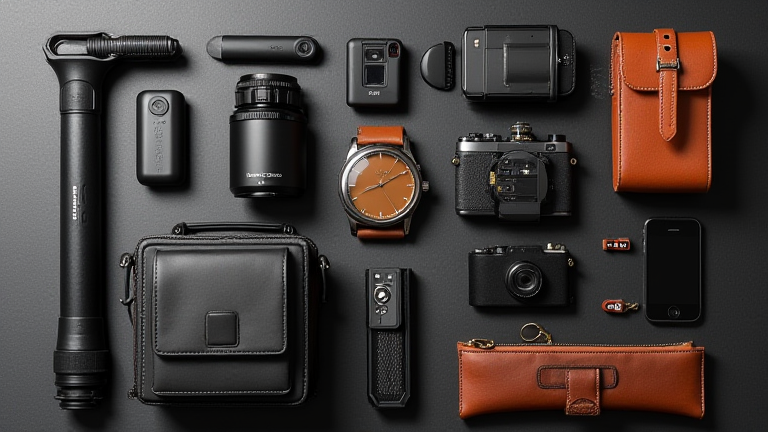
TL;DR: A robust daily carry system relies on a curated set of essential tools that prioritize utility over accumulation. By regularly auditing your gear and focusing on high-quality, reliable items, you ensure readiness without unnecessary bulk.
The Foundation: The Pocket Knife
Start with a single, high-quality folding knife. After fifteen years of carrying, I have learned that one excellent tool is far superior to a collection of mediocre ones. Choose a knife with a full-flat grind for maximum edge retention and a lock that you can open one-handed without hesitation. Keep it in your front pocket for immediate access. Regularly lubricate the pivot and clean the blade to prevent corrosion and sticking. This is your primary cutting tool, so treat it with respect.
Lighting: The Flashlight
Next, secure a reliable flashlight. A compact, high-lumen tactical light is the standard choice. Ensure it has a side switch for easy operation and a clip for secure attachment. Position it in your back pocket or on your belt loop. Test the battery weekly, even if you do not use it daily. A dead light when you need it most is a critical failure point. Consider carrying a spare battery if your model allows it, or choose a rechargeable unit that plugs into your car charger or USB hub.
Fire and Friction: The Ferro Rod
Fire starters are non-negotiable for survival and utility. A magnesium ferrocerium rod is my go-to because it works when wet, in the wind, and at high altitudes. Keep it in a small pouch or a dedicated pocket. Practice striking it to create a shower of sparks. Pair it with a small piece of cotton ball soaked in petroleum jelly for a quick ignition source. This combination provides a reliable backup for starting fires in camp or emergency situations.
First Aid: The Medical Kit
Your health is the ultimate asset. Carry a compact first aid kit containing band-aids, gauze, antiseptic wipes, and tweezers. Customize this kit based on your specific medical needs. If you take daily medication, carry a small supply. Learn how to use each item before you need it. A kit you do not understand is useless. Keep it in an easily accessible location, such as a small pouch attached to your belt or bag.
Maintenance and Mindset
Finally, maintain a routine. Clean your gear regularly and replace worn-out components immediately. Do not let a dull knife or a dead battery become the norm. Your EDC is an extension of your preparedness mindset. Keep it simple, keep it functional, and keep it ready. The best EDC is the one you actually use and trust.
FAQ
Q: What is the most common mistake beginners make?
A: Over-purchasing. Many people buy too many items they do not use, leading to clutter and neglect. Focus on mastering a few core tools first.
If you want to dig deeper, check out our guide on Flock Cameras: From Crime Fighters to Traffic Ticket Tools.
Q: How often should I clean my EDC gear?
A: Clean your knife after every use and inspect your flashlight and fire starter monthly. Perform a full audit of your kit quarterly to ensure everything is functional and stocked.
Q: Is it necessary to carry all these items every day?
A: Yes, consistency is key. Carrying your gear daily builds familiarity and ensures it is always ready. However, adjust the quantity based on your specific daily activities and environment.
Leave a Reply