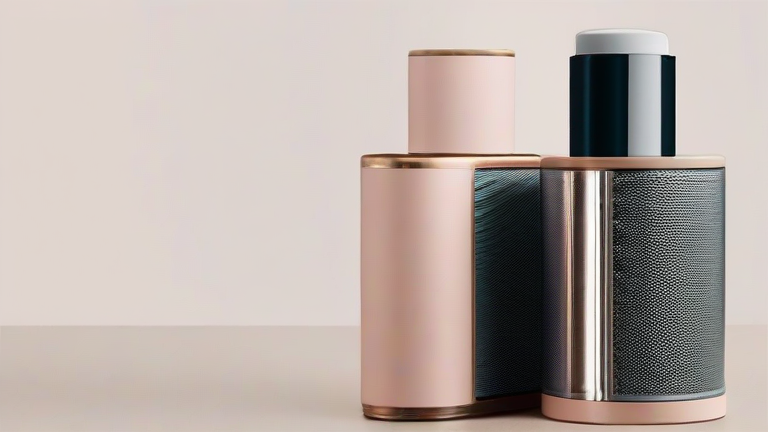
The Rise of AI-Generated Product Photos for Online Stores
TL;DR: AI-generated product photography is rapidly transforming e-commerce by drastically reducing costs and accelerating production times. This technology allows brands to create high-quality, consistent visuals without the logistical burdens of traditional studio shoots.
The Shift in Visual Strategy
The e-commerce landscape is undergoing a significant visual revolution. Traditional product photography, while high-quality, is often expensive and slow. A recent report by Statista indicates that global e-commerce spending is projected to reach $6.3 trillion by 2024, intensifying the competition for visual attention. In this crowded market, brands are turning to artificial intelligence to stand out. AI tools can now generate photorealistic images of products in various contexts, from minimalist studio settings to vibrant lifestyle scenarios, in mere seconds. This capability is not just a novelty; it is becoming a critical operational efficiency tool for digital retailers.
If you want to dig deeper, check out our guide on How to Write SEO Titles: Step-by-Step Tutorial.
Market Data and Economic Impact
The financial implications of adopting AI-generated imagery are substantial. According to a survey by McKinsey, companies leveraging AI in their marketing workflows report a 20% increase in productivity and a 15% reduction in operational costs. For small and medium-sized enterprises, this is particularly impactful. A traditional photoshoot for a catalog of one hundred items can cost upwards of ten thousand dollars. In contrast, AI-generated alternatives can be produced for a fraction of that cost, often under five hundred dollars. This democratization of high-end visual assets allows smaller brands to compete with larger corporations, leveling the playing field in terms of brand presentation and professional appeal.
Expert Insights on Quality and Consistency
Industry experts emphasize that the key advantage of AI is not just cost, but consistency. “Consistency is king in e-commerce,” says Sarah Jenkins, a digital marketing strategist at VisualEdge. “With AI, we can ensure that every product shot follows the same lighting, angle, and aesthetic guidelines, which builds stronger brand recognition. Traditional photography often suffers from slight variations between sessions, whereas AI provides a uniform look that enhances the overall user experience.” Furthermore, experts note that AI allows for rapid A/B testing. Brands can generate multiple background options for the same product and test which resonates better with their audience, optimizing conversion rates in real-time.
Future Predictions and Challenges
Looking ahead, the integration of AI in product photography is expected to deepen. By 2026, it is predicted that over sixty percent of mid-sized e-commerce brands will rely primarily on AI-generated images for their online catalogs. However, challenges remain. There are concerns about the authenticity of imagery and the potential for consumer fatigue if images become too synthetic. Brands must balance technological efficiency with genuine product representation. Additionally, regulatory frameworks regarding AI-generated content are still evolving, requiring companies to stay informed about legal implications. Despite these hurdles, the trajectory is clear: AI is not replacing human creativity but augmenting it, allowing marketing teams to focus on strategy while algorithms handle the heavy lifting of visual production.
FAQ
Q: Is AI-generated product photography realistic enough for consumers?
A: Yes, modern AI models can produce photorealistic images that are indistinguishable from professional photography, provided the input data is high-quality and the prompt is well-crafted.
Q: Does using AI images violate intellectual property laws?
A: Generally, no, if you use licensed AI tools and do not infringe on existing copyrights. However, it is crucial to ensure that the generated images do not replicate specific protected designs or trademarks without permission.
Q: Can AI replace human photographers entirely?
A: Unlikely in the near future. While AI excels at standard product shots, human photographers still provide unique artistic vision, complex lighting setups, and nuanced storytelling that AI cannot yet fully replicate.
Leave a Reply