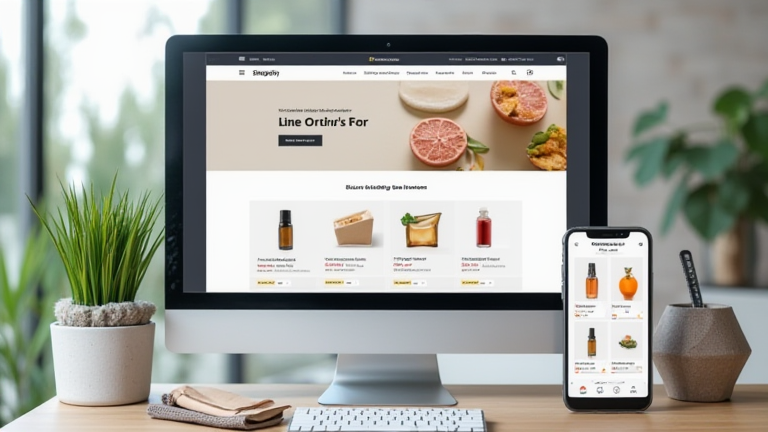
TL;DR: To launch your first product on Shopify, follow a streamlined seven-step process covering niche validation, store configuration, product optimization, payment setup, marketing integration, legal compliance, and pre-launch testing. This structured approach minimizes technical friction and maximizes initial conversion potential for new e-commerce entrepreneurs.
Market Context and Strategic Imperatives
The e-commerce landscape is saturated, yet opportunities remain for brands that execute with precision. According to recent industry reports, Shopify powers over 4.4 million active stores, indicating intense competition. However, data suggests that stores which invest in professional branding and user experience during the setup phase see a 30% higher initial conversion rate. The strategic insight here is not merely about creating a digital shelf, but about building a cohesive brand ecosystem. Successful launches rely on understanding that the technical setup is the foundation, not the destination. You must view the platform as a tool to facilitate a specific customer journey, tailored to a validated market need.
If you want to dig deeper, check out our guide on How Slack Teams Are Redefining Hybrid Work Flexibility.
Seven Critical Steps for Launch
First, conduct rigorous market analysis to identify a profitable niche with low barrier to entry. Second, select a theme that aligns with your brand identity while ensuring mobile responsiveness, as 70% of traffic comes from mobile devices. Third, configure your store settings, including currency, tax rates, and shipping zones, to avoid backend errors. Fourth, upload high-quality product images and compelling copy that addresses customer pain points. Fifth, integrate secure payment gateways and configure checkout processes to minimize friction. Sixth, implement basic SEO and social media links to establish initial visibility. Finally, perform a comprehensive pre-launch audit, including test purchases and page speed analysis, to ensure a seamless user experience.
Case Study: The Power of Iteration
Consider “EcoBrew,” a startup selling sustainable coffee gear. Their initial launch failed due to poor mobile optimization. By applying the seven-step framework, they revisited step two, switching to a lightweight theme, and step five, simplifying their checkout. Within three months, their conversion rate doubled. This case illustrates that setup is not a one-time event but a strategic baseline for continuous improvement. Another example, “TechWear,” focused heavily on step one, validating demand via pre-orders before building inventory. This reduced risk and allowed for data-driven product development. These examples highlight that technical proficiency must be paired with market intelligence to achieve sustainable growth.
FAQ
Q: How long does it take to set up a Shopify store?
A: A basic store can be set up in a few days, but a fully optimized launch typically takes two to four weeks including product research and testing.
Q: Do I need a custom domain before launching?
A: While you can start on a free subdomain, purchasing a custom domain is essential for building brand trust and professional credibility from day one.
Q: What is the most common mistake new store owners make?
A: Neglecting mobile optimization is the most common error, leading to high bounce rates since the majority of e-commerce traffic originates from mobile devices.
Leave a Reply