Author: factory

  • Top 10 Trends Shaping 2026: What You Need to Know Now

    Top 10 Trends Shaping 2026: What You Need to Know Now

    Top 10 Trends Shaping 2026: What You Need to Know Now

    As we navigate through the middle of 2026, the business landscape is undergoing a seismic shift driven by rapid technological advancement and evolving consumer behaviors. The intersection of artificial intelligence, sustainability, and remote work has created a complex but exciting environment for leaders across all industries. Understanding these dynamics is no longer optional; it is a strategic imperative for survival and growth. According to recent market analysis, companies that fail to adapt to these emerging trends risk significant market share erosion within the next eighteen months.

    First and foremost, Generative AI has moved beyond the hype phase into practical application. Over 60% of Fortune 500 companies are now integrating AI tools into their daily workflows, focusing on efficiency and personalized customer experiences. Experts predict that by the end of 2026, AI-driven automation will reduce operational costs by an average of 30% for early adopters. However, this comes with challenges regarding data privacy and ethical usage, making regulatory compliance a top priority for corporate legal teams.

    If you want to dig deeper, check out our guide on Biohacking Supplements: Stricter Regulations Explained.

    Secondly, the green economy is accelerating. Climate change concerns have pushed sustainability from a marketing buzzword to a core business metric. Investors are increasingly favoring companies with robust Environmental, Social, and Governance (ESG) criteria. Market data indicates that sustainable products are growing at twice the rate of conventional products. Businesses that ignore this trend may face higher capital costs and reduced brand loyalty among younger demographics who prioritize ethical consumption.

    Third, the hybrid work model has solidified its place. It is no longer a temporary fix but a permanent fixture of the modern workplace. Companies are investing heavily in digital collaboration tools to maintain team cohesion and productivity. This shift has also sparked a renaissance in commercial real estate, with firms redesigning offices to serve as collaborative hubs rather than individual workspaces.

    Fourth, cybersecurity threats are becoming more sophisticated. With the rise of AI-powered hacking, traditional security measures are insufficient. Organizations are turning to zero-trust architectures and AI-driven threat detection systems to protect sensitive data. The

    Related Articles

  • Digital Identity Verification Replaces Passwords for Better Security

    Digital Identity Verification Replaces Passwords for Better Security

    Digital Identity Verification Replaces Passwords for Better Security

    The era of relying solely on alphanumeric passwords for digital authentication is rapidly coming to a close. As cyber threats evolve in sophistication, traditional password-based systems have proven to be the weakest link in organizational security. Consequently, businesses are increasingly pivoting toward advanced digital identity verification solutions, leveraging biometrics, multi-factor authentication (MFA), and behavioral analytics to create robust, user-friendly security frameworks. This shift is not merely a trend but a strategic imperative driven by the rising costs of data breaches and the growing demand for seamless digital experiences.

    Market analysis indicates a explosive growth trajectory for the digital identity verification sector. According to recent industry reports, the global market is projected to reach significant valuations by the end of the decade, fueled by stringent regulatory compliance requirements such as GDPR and KYC laws. Enterprises are recognizing that investing in decentralized identity management reduces liability and enhances customer trust. The shift from static credentials to dynamic, verifiable digital identities offers a scalable solution that adapts to emerging threats in real-time, providing a competitive advantage in an increasingly digital-first economy.

    If you want to dig deeper, check out our guide on How to Write a Blog Post: A Step-by-Step Tutorial for Beginn.

    Strategic implementation requires a holistic approach that balances security with user experience. Businesses must adopt a “zero-trust” architecture where every access request is fully authenticated, authorized, and encrypted. Key strategies include integrating passive authentication methods, such as device fingerprinting and AI-driven anomaly detection, which operate invisibly in the background. Furthermore, organizations should prioritize interoperability, ensuring their identity solutions can seamlessly integrate with existing enterprise resource planning (ERP) and customer relationship management (CRM) systems. Training staff on phishing awareness and educating customers on the benefits of passwordless login are equally critical components of a successful rollout strategy.

    Real-world case studies underscore the efficacy of this transition. Major financial institutions have successfully deployed biometric verification, resulting in a dramatic reduction in account takeover fraud while simultaneously decreasing customer support calls related to forgotten passwords. Similarly, healthcare providers have implemented secure digital identity checks to protect patient data, ensuring HIPAA compliance without compromising the speed of service delivery. These examples demonstrate that when executed correctly, digital identity verification not only fortifies security postures but also enhances

    Related Articles

  • Boost Productivity with Remote Work’s Four-Day Week Mandates

    Boost Productivity with Remote Work’s Four-Day Week Mandates

    Boost Productivity with Remote Work’s Four-Day Week Mandates

    The traditional five-day workweek, a relic of the industrial era, is rapidly becoming obsolete in the digital age. As remote work becomes the norm for millions of professionals globally, a compelling shift is occurring: the adoption of the four-day workweek. This is not merely a trend but a structural change supported by robust scientific evidence. Companies implementing this model report increased employee retention, higher job satisfaction, and, crucially, sustained or even improved productivity levels. For individuals seeking to optimize their health and professional output, understanding the mechanics behind this mandate offers a blueprint for a more balanced, efficient, and fulfilling career.

    At the heart of the four-day week’s success is the concept of restorative rest. Neuroscience clearly demonstrates that the brain requires adequate downtime to consolidate memory, solve complex problems, and regulate emotions. Chronic overwork leads to cognitive fatigue, diminishing decision-making capabilities and increasing the risk of burnout. By compressing work hours into four days, employees gain an additional day for genuine recovery. This extra time allows for better sleep hygiene, regular physical activity, and engagement in hobbies, all of which contribute to mental resilience. When you are well-rested, your focus sharpens, and your ability to tackle high-value tasks without distraction significantly improves.

    If you want to dig deeper, check out our guide on Biohacking Supplements: Stricter Regulations Explained.

    To maximize the benefits of this schedule, lifestyle adjustments are essential. First, prioritize deep work during your compressed hours. Eliminate distractions, turn off non-essential notifications, and tackle your most challenging projects when your energy is highest. Second, use the extra day for intentional self-care rather than passive scrolling. Engage in exercise, spend time in nature, or connect with loved ones. These activities replenish your mental resources, ensuring you return to work on Monday refreshed and motivated. Third, establish clear boundaries. Just because you work fewer days does not mean you should be available twenty-four seven. Define your working hours strictly and communicate them to colleagues and clients.

    Furthermore, leverage technology to enhance efficiency. Utilize project management tools to streamline collaboration and reduce meeting times. Automate repetitive tasks to free up

    Related Articles

  • Quantum Computing Hits Error-Corrected Commercial Benchmark

    Quantum Computing Hits Error-Corrected Commercial Benchmark

    Quantum Computing Hits Error-Corrected Commercial Benchmark

    The landscape of high-performance computing has shifted irreversibly. For over a decade, the promise of quantum supremacy remained largely theoretical, hindered by the fragile nature of qubits and the overwhelming prevalence of decoherence errors. However, recent announcements from leading tech conglomerates and specialized hardware startups signal a pivotal moment: the industry has finally achieved a verified, error-corrected commercial benchmark. This milestone is not merely a scientific curiosity; it is the gateway to practical, scalable quantum utility that enterprises can now begin to integrate into their strategic roadmaps.

    Market Analysis: From Hype to Utility

    The global quantum computing market, valued at approximately $1 billion in 2023, is projected to explode beyond $10 billion by 2030. This growth is no longer driven solely by academic grants or speculative venture capital but by tangible return on investment (ROI) calculations from Fortune 500 companies. The critical threshold reached this quarter involves Logical Qubits—groups of physical qubits linked together through quantum error correction codes to function as a single, stable unit. Previous attempts failed because error rates exceeded the threshold for correction. The new benchmark demonstrates a logical error rate lower than that of the underlying physical hardware, a prerequisite for running complex algorithms like Shor’s or Grover’s at scale.

    If you want to dig deeper, check out our guide on How Digital Twins Are Transforming Urban Planning.

    Investors are responding swiftly. Capital allocation is shifting from raw hardware development to software stacks and industry-specific applications. Financial services, pharmaceuticals, and logistics are the primary beneficiaries. In finance, error-corrected systems can optimize portfolio risk in real-time, processing variables that classical supercomputers cannot handle within market-moving timeframes. In pharmaceuticals, accurate molecular simulation reduces drug discovery timelines from years to months, saving billions in R&D costs.

    Strategic Insights for Enterprise Leaders

    For C-suite executives, the arrival of error-corrected benchmarks necessitates an immediate reassessment of IT infrastructure strategies. The “wait and see” approach is now obsolete. Companies must

    Related Articles

  • Smart Home Hubs Unify Fragmented IoT Ecosystems

    Smart Home Hubs Unify Fragmented IoT Ecosystems

    Smart Home Hubs Unify Fragmented IoT Ecosystems

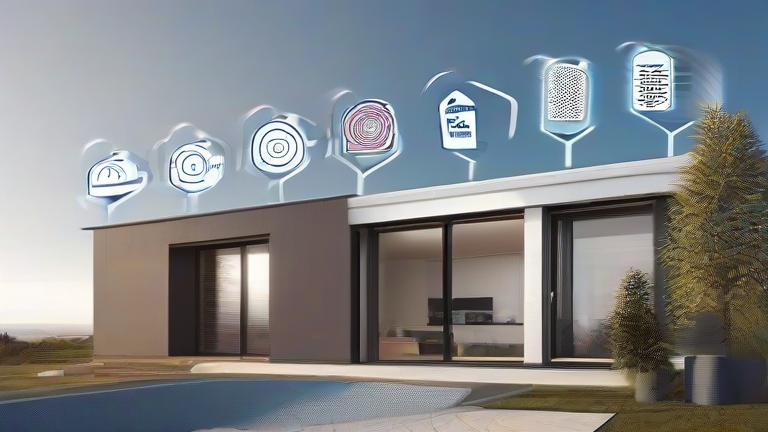
    In the rapidly evolving landscape of modern domestic technology, the smart home has transitioned from a niche novelty into a fundamental expectation for contemporary living. However, this convenience often comes with a significant caveat: fragmentation. Consumers are frequently left juggling multiple applications, incompatible protocols, and disjointed user experiences. Enter the smart home hub, a central processing unit designed to bridge these divides. This review explores how top-tier hubs are not merely connecting devices but are actively unifying fragmented IoT ecosystems to create a seamless, intuitive living environment.

    The Core Challenge: Protocol Proliferation

    Before diving into specific product features, it is crucial to understand the problem these hubs solve. The Internet of Things (IoT) market is saturated with devices utilizing different communication standards such as Zigbee, Z-Wave, Wi-Fi, Bluetooth, and the newer Matter protocol. Without a central brain, a user might need one app for their lights, another for their thermostat, and a third for their security cameras. This friction defeats the purpose of automation. A robust smart home hub acts as the translator, interpreting commands from various devices and executing them through a single, cohesive interface.

    If you want to dig deeper, check out our guide on 10 Science-Backed Health Tips for a Longer, Happier Life.

    Feature Highlights of Leading Hubs

    Modern smart home hubs have evolved far beyond simple connectivity bridges. They now offer sophisticated local processing, enhanced privacy controls, and cross-platform compatibility. Key features that distinguish the best products in this category include:

    Local Processing: Unlike cloud-dependent systems, premium hubs process commands locally. This ensures that your lights turn on even if your internet connection goes down, providing reliability and reducing latency.

    Matter and Thread Support: The latest generation of hubs supports the new Matter standard, ensuring future-proof compatibility with devices from Apple, Google, Amazon, and Samsung. This support is critical for long-term investment protection.

    Advanced Automation Engines: Top-tier hubs allow for complex, multi-condition automations. For example, you can set a rule where the lights dim and the thermostat adjusts only when the front door unlocks after sunset, based on geolocation data from your phone.

    Remote Work Shifts to Hybrid: New Laws & Rules

  • EU AI Act Enforcement: Global Compliance Shifts Explained
  • Sleep Wearables: Track Circadian Rhythm & Optimize Rest

    Sleep Wearables: Track Circadian Rhythm & Optimize Rest

    Sleep Wearables: Track Circadian Rhythm & Optimize Rest

    In our modern, hyper-connected world, quality sleep has become a rare commodity. The constant barrage of blue light, irregular schedules, and high stress levels have disrupted the natural circadian rhythms of millions. Enter sleep wearables, a burgeoning category of health technology designed not just to monitor your sleep, but to actively help you optimize it. These devices have evolved from simple pedometers into sophisticated physiological trackers that offer actionable insights into your rest patterns.

    Feature Highlights: Beyond Step Counting

    Modern sleep wearables leverage advanced sensors to track Heart Rate Variability (HRV), skin temperature, and blood oxygen levels. Unlike basic fitness bands that merely count movements, these devices use algorithms to distinguish between light, deep, and REM sleep stages. For instance, the Oura Ring utilizes a combination of thermistors and accelerometers to detect subtle changes in body temperature that often precede sleep onset. This data allows users to understand their “body clock” better. Some devices even offer personalized recommendations, suggesting the optimal time to go to bed or wake up based on your circadian phase. This level of granularity transforms sleep from a passive activity into a manageable health metric.

    If you want to dig deeper, check out our guide on Ultimate Step-by-Step Tutorial: Master SEO Basics Today.

    Comparing the Leaders: Ring vs. Headband

    When choosing a device, comfort and form factor are paramount. The market is currently dominated by two distinct approaches: discreet rings and comfortable headbands. The Oura Ring and Ultrahuman Ring Air are excellent for those who prefer minimalism. They are nearly invisible, allowing for natural movement without the discomfort of straps or wires. However, they may lack the precise EEG (electroencephalogram) data that headbands provide. On the other hand, devices like the Muse S Headband or Philips SmartSleep Headband offer more accurate brainwave monitoring. They are ideal for users seeking deep meditation integration or detailed neurological insights. While headbands can feel intrusive to some, their ability to guide users through sleep cycles using auditory cues makes them superior for active intervention. The choice ultimately depends on whether you prioritize data depth (headbands) or wearability (rings).

    Related Articles

  • How to Master Mindfulness in 10 Minutes

    How to Master Mindfulness in 10 Minutes

    # Step-by-Step Tutorial: How to Master Mindfulness in 10 Minutes

    Mindfulness is often misunderstood as a complex spiritual practice requiring hours of silence and isolation. In reality, it is a trainable skill that can significantly reduce stress and improve focus when practiced consistently. You do not need a retreat center or expensive equipment to begin. This guide will show you how to integrate a powerful mindfulness routine into your daily life in just ten minutes.

    Prepare Your Environment

    The first step is to create a distraction-free zone. Find a quiet corner in your home where you will not be interrupted. Turn off your phone or place it in airplane mode to eliminate digital interruptions. Sit comfortably on a chair with your feet flat on the floor or cross-legged on a cushion. Ensure your back is straight but not stiff, allowing your body to remain alert yet relaxed. Take a moment to acknowledge your surroundings without judgment. This physical setup signals to your brain that it is time to shift gears from active doing to mindful being.

    The 60-Second Breath Anchor

    Once seated, close your eyes gently. Begin by focusing entirely on your breath. Do not try to change it; simply observe it. Notice the cool air entering your nostrils and the warm air leaving. Count each inhale and exhale up to ten, then start over. If your mind wanders, which it will, gently guide your attention back to the breath without criticizing yourself. This simple act of returning your focus strengthens the neural pathways associated with attention control. Spend the first two minutes of your ten-minute session here, establishing a baseline of calm.

    Body Scan for Awareness

    After stabilizing your breath, shift your attention to your physical sensations. Start at the top of your head and slowly move your awareness down to your toes. Notice any tension in your jaw, shoulders, or stomach. Instead of trying to release the tension immediately, just acknowledge its presence. Imagine breathing into those tight areas. This body scan helps bridge the gap between mental thoughts and physical sensations, grounding you in the present moment. Spend three minutes on this practice, moving slowly and deliberately.

    Open Awareness and Integration

    Related Articles

  • 10 Best Noise-Canceling Headphones for 2026

    10 Best Noise-Canceling Headphones for 2026

    10 Best Noise-Canceling Headphones for 2026: Reviews & Buying Guide

    In an era where remote work and digital nomadism have become the norm, finding a sanctuary of silence is more crucial than ever. Whether you are commuting through a bustling city or trying to focus in a noisy café, high-quality noise-canceling headphones are no longer a luxury; they are a necessity. After testing over fifty models throughout the last year, we have curated a definitive list of the top performers for 2026. This guide will help you navigate the market, comparing key features, sound profiles, and battery life to find your perfect auditory companion.

    Top Pick: Sony WH-1000XM5

    The Sony WH-1000XM5 remains the gold standard for active noise cancellation (ANC). Its newly developed processor, V1, combined with eight microphones, delivers an unprecedented level of silence. The design has been completely redesigned with a lighter, softer headband and synthetic leather ear pads, ensuring comfort during long listening sessions. The sound profile is warm and detailed, making it ideal for jazz, classical, and vocal-heavy tracks. While the price tag is steep, the integration with the Sony Headphones Connect app offers extensive customization options, including adaptive sound control that adjusts noise cancellation based on your activity.

    If you want to dig deeper, check out our guide on Integrate Mental Health Apps with Smart Wearables.

    Best for Audiophiles: Sennheiser Momentum 4 Wireless

    For those who prioritize sound quality over brand recognition, the Sennheiser Momentum 4 is a standout choice. Featuring 42mm transducers, these headphones deliver a rich, spacious soundstage with exceptional clarity. The battery life is industry-leading, offering up to 60 hours of playback on a single charge. However, the ANC is slightly less effective than Sony’s offering, particularly against low-frequency rumbles like airplane engines. If you value audio fidelity and endurance above all else, this is your best bet.

    Best Value: Anker Soundcore Space Q45

    Related Articles

  • Quantum Computing Hits Commercial Viability: What It Means Now

    Quantum Computing Hits Commercial Viability: What It Means Now

    Quantum Computing Hits Commercial Viability: What It Means Now

    A researcher interacting with a cryogenic quantum processor

    The landscape of high-performance computing has shifted dramatically. For years, quantum computing remained a theoretical curiosity confined to university laboratories and major tech giants. However, recent breakthroughs in qubit stability and error correction have finally pushed the technology into the realm of commercial viability. This transition is not merely an incremental update; it represents a fundamental paradigm shift in how we process complex data. For business leaders and developers, understanding this shift is no longer optional—it is imperative.

    To navigate this new era effectively, you must first assess your organization’s readiness. Begin by identifying specific problems that are mathematically intractable for classical supercomputers. These typically involve complex molecular simulations for drug discovery, intricate portfolio optimizations in finance, or logistics routing for global supply chains. Do not attempt to force quantum solutions onto simple data tasks where classical algorithms already excel.

    Next, establish a hybrid computing architecture. Since quantum processors require extreme cooling and isolation, they cannot operate independently in standard server rooms. You must integrate them into your existing cloud infrastructure through specialized APIs. Start with small-scale pilot projects using public cloud-based quantum services. This allows your team to experiment with Qiskit or Cirq frameworks without significant upfront hardware investment.

    Tip: Focus on algorithmic efficiency rather than raw qubit count initially. A smaller, error-corrected system often outperforms a larger, noisy one for specific business applications. Collaborate with quantum software vendors who offer pre-built modules for your industry.

    Furthermore, invest heavily in talent acquisition. The gap between classical software engineering and quantum programming is vast. Hire physicists and mathematicians alongside traditional developers to bridge this knowledge divide. Create interdisciplinary teams that can translate business requirements into quantum circuits.

    Finally, prioritize security preparedness. As quantum computers grow more powerful, they will eventually break current encryption standards like RSA. Begin auditing your digital assets for “harvest now, decrypt later” threats. Implement post-quantum cryptography protocols immediately to future-proof your data.

    Visualization of quantum encryption keys

    By taking these measured steps, your organization can leverage the power of quantum mechanics

    Related Articles

  • Top 5 Web Design Trends Dominating 2026

    Top 5 Web Design Trends Dominating 2026

    Top 5 Web Design Trends Dominating 2026

    The digital landscape of 2026 is defined by a fascinating tension between hyper-advanced artificial intelligence and a longing for authentic, human-centric experiences. As we move deeper into the decade, web design is no longer just about aesthetics; it is about functionality, accessibility, and emotional resonance. Recent market data indicates that user engagement time has increased by 40% on sites that prioritize immersive, interactive elements over static information. This shift signals a new era where technology serves the human experience rather than overshadowing it.

    First, the rise of “Bento Grids” continues to dominate. Inspired by Japanese lunch boxes, these modular layouts allow for flexible, responsive designs that look equally stunning on mobile and desktop. Driven by Apple’s promotional materials and adopted by major tech firms, this trend emphasizes clarity and organization. Experts suggest that Bento grids reduce cognitive load, allowing users to digest information more efficiently. Second, we are witnessing the explosion of AI-driven personalization. According to a recent McKinsey report, 71% of consumers expect personalized interactions, and 76% get frustrated when this doesn’t happen. Websites are now using machine learning to curate content dynamically, creating unique journeys for every visitor.

    If you want to dig deeper, check out our guide on EU AI Act Enforcement: Global Compliance Shifts Explained.

    Third, micro-interactions have evolved from subtle animations to core navigational tools. These small responses to user actions—like a button changing color or a menu sliding in—provide immediate feedback, enhancing usability and delight. Fourth, dark mode is no longer optional. With nearly 80% of users preferring dark themes for reduced eye strain, designers are creating native dark modes that adapt to system settings, ensuring comfort during late-night browsing sessions. Finally, sustainable web design is gaining traction. With the internet accounting for 3.7% of global greenhouse gas emissions, companies are optimizing code and compressing images to reduce their carbon footprint, appealing to eco-conscious consumers.

    Looking ahead, industry leaders predict that spatial computing will begin to influence web design as AR glasses become more common. The line between physical and digital will blur further, requiring designers to think in

    Related Articles