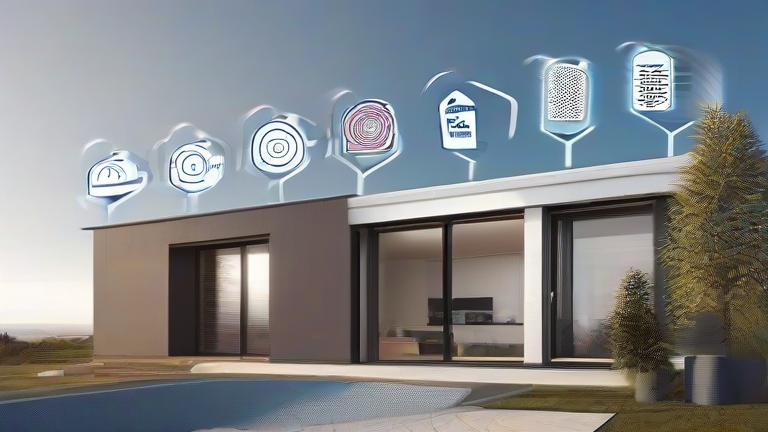
Smart Home Hubs Unify Fragmented IoT Ecosystems
In the rapidly evolving landscape of modern domestic technology, the smart home has transitioned from a niche novelty into a fundamental expectation for contemporary living. However, this convenience often comes with a significant caveat: fragmentation. Consumers are frequently left juggling multiple applications, incompatible protocols, and disjointed user experiences. Enter the smart home hub, a central processing unit designed to bridge these divides. This review explores how top-tier hubs are not merely connecting devices but are actively unifying fragmented IoT ecosystems to create a seamless, intuitive living environment.
The Core Challenge: Protocol Proliferation
Before diving into specific product features, it is crucial to understand the problem these hubs solve. The Internet of Things (IoT) market is saturated with devices utilizing different communication standards such as Zigbee, Z-Wave, Wi-Fi, Bluetooth, and the newer Matter protocol. Without a central brain, a user might need one app for their lights, another for their thermostat, and a third for their security cameras. This friction defeats the purpose of automation. A robust smart home hub acts as the translator, interpreting commands from various devices and executing them through a single, cohesive interface.
If you want to dig deeper, check out our guide on 10 Science-Backed Health Tips for a Longer, Happier Life.
Feature Highlights of Leading Hubs
Modern smart home hubs have evolved far beyond simple connectivity bridges. They now offer sophisticated local processing, enhanced privacy controls, and cross-platform compatibility. Key features that distinguish the best products in this category include:
Local Processing: Unlike cloud-dependent systems, premium hubs process commands locally. This ensures that your lights turn on even if your internet connection goes down, providing reliability and reducing latency.
Matter and Thread Support: The latest generation of hubs supports the new Matter standard, ensuring future-proof compatibility with devices from Apple, Google, Amazon, and Samsung. This support is critical for long-term investment protection.
Advanced Automation Engines: Top-tier hubs allow for complex, multi-condition automations. For example, you can set a rule where the lights dim and the thermostat adjusts only when the front door unlocks after sunset, based on geolocation data from your phone.
 Remote Work Shifts to Hybrid: New Laws & Rules
Leave a Reply