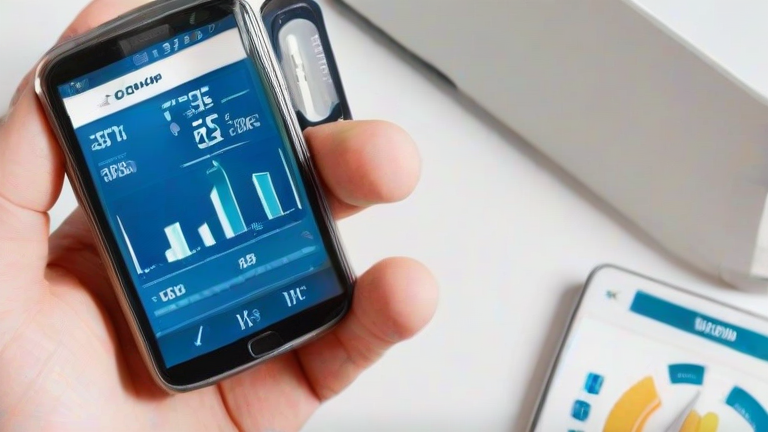
TL;DR: Continuous glucose monitors (CGMs) have moved from niche diabetes tools to mainstream wellness devices, letting everyday users track blood sugar in real time. This shift means easier access, more data-driven health decisions, and new responsibilities around interpreting that data wisely.
Step 1: Understand What a CGM Actually Does
A CGM is a small wearable sensor, usually placed on the back of your upper arm, that measures glucose in the fluid under your skin every few minutes and sends readings to your phone. Unlike a fingerstick, it shows trends and patterns rather than single snapshots, which is why it appeals to athletes, people with prediabetes, and the simply curious.
If you want to dig deeper, check out our guide on Open-Source Models Close Gap With Frontier AI Labs.
Step 2: Check Whether You Qualify or Can Buy Over the Counter
Prescription CGMs remain the standard for people with diabetes, often covered by insurance. Over-the-counter options now exist for adults who want insight without a diagnosis. Before buying, confirm age requirements, sensor lifespan, and app compatibility, and check whether your insurance or flexible spending account covers any portion.
Step 3: Set Up the Sensor Correctly
Wash and dry the site, rotate placement between arms, and follow the warm-up period before trusting readings. Apply the sensor at least two hours before a meal or workout so it stabilizes. Pair the device with your phone, enable notifications, and log meals and exercise in the companion app so trends make sense later.
Step 4: Learn to Read Trends, Not Panic at Numbers
Focus on time in range, post-meal spikes, and overnight patterns rather than individual readings, which lag behind blood glucose by several minutes. A rise after breakfast is normal; a persistent climb with no meal is worth discussing with a clinician. Look for repeatable patterns across a week before changing habits.
Step 5: Turn Data Into Small Experiments
Change one variable at a time: a ten-minute walk after dinner, more protein at breakfast, or earlier bedtime. Compare a week of data before and after. Keep a simple log of what you tried, and share the report with your doctor or dietitian rather than self-diagnosing from a single spike.
Tips for Mainstream Users
Expect sensor lag, compression lows during sleep, and occasional calibration drift. Never use a consumer CGM to adjust insulin without medical guidance. Stay hydrated, avoid placing sensors over scars or lotion, and rotate sites to prevent irritation. Remember that glucose is one signal among many—sleep, stress, and activity matter just as much.
FAQ
Q: Do I need diabetes to use a CGM?
A: No. Over-the-counter models are available for adults without a diagnosis, though prescription devices and insurance coverage typically require a diabetes diagnosis or prediabetes risk factors.
Q: How accurate are CGMs compared with fingersticks?
A: Modern CGMs are generally close but measure interstitial fluid, so readings lag blood glucose by roughly five to fifteen minutes and can drift during rapid changes or pressure on the sensor.
Q: Can a CGM replace my doctor’s advice?
A: No. A CGM is a tracking tool, not a diagnostic device—use its trends to inform conversations with a clinician, never to self-adjust medication or insulin.
Leave a Reply