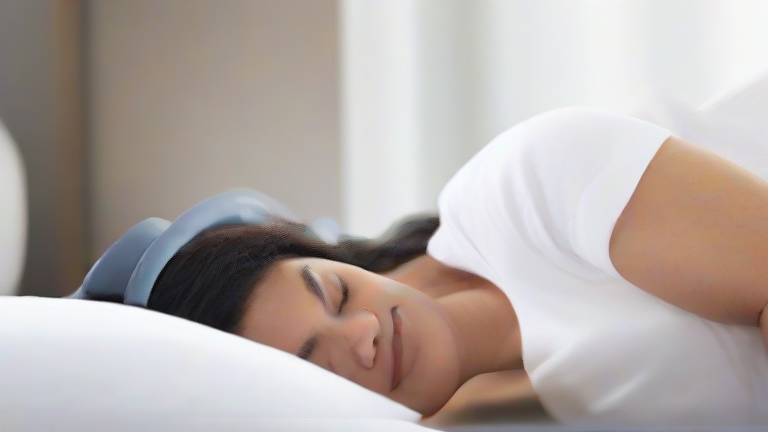
Sleep Wearables: Track Circadian Rhythm & Optimize Rest
In our modern, hyper-connected world, quality sleep has become a rare commodity. The constant barrage of blue light, irregular schedules, and high stress levels have disrupted the natural circadian rhythms of millions. Enter sleep wearables, a burgeoning category of health technology designed not just to monitor your sleep, but to actively help you optimize it. These devices have evolved from simple pedometers into sophisticated physiological trackers that offer actionable insights into your rest patterns.
Feature Highlights: Beyond Step Counting
Modern sleep wearables leverage advanced sensors to track Heart Rate Variability (HRV), skin temperature, and blood oxygen levels. Unlike basic fitness bands that merely count movements, these devices use algorithms to distinguish between light, deep, and REM sleep stages. For instance, the Oura Ring utilizes a combination of thermistors and accelerometers to detect subtle changes in body temperature that often precede sleep onset. This data allows users to understand their “body clock” better. Some devices even offer personalized recommendations, suggesting the optimal time to go to bed or wake up based on your circadian phase. This level of granularity transforms sleep from a passive activity into a manageable health metric.
If you want to dig deeper, check out our guide on Ultimate Step-by-Step Tutorial: Master SEO Basics Today.
Comparing the Leaders: Ring vs. Headband
When choosing a device, comfort and form factor are paramount. The market is currently dominated by two distinct approaches: discreet rings and comfortable headbands. The Oura Ring and Ultrahuman Ring Air are excellent for those who prefer minimalism. They are nearly invisible, allowing for natural movement without the discomfort of straps or wires. However, they may lack the precise EEG (electroencephalogram) data that headbands provide. On the other hand, devices like the Muse S Headband or Philips SmartSleep Headband offer more accurate brainwave monitoring. They are ideal for users seeking deep meditation integration or detailed neurological insights. While headbands can feel intrusive to some, their ability to guide users through sleep cycles using auditory cues makes them superior for active intervention. The choice ultimately depends on whether you prioritize data depth (headbands) or wearability (rings).
 Related Articles
Leave a Reply