Why Solar Battery Storage Is Becoming a Home Standard

For decades, the concept of a “smart home” was reserved for science fiction novels or the tech-heavy budgets of Silicon Valley elites. Today, however, the narrative has shifted dramatically. Solar battery storage is no longer a niche luxury for off-grid enthusiasts; it is rapidly becoming the new baseline for modern residential living. This transition is not merely about energy bills; it is about redefining our relationship with comfort, stability, and personal autonomy.
The primary driver of this shift is the desire for energy independence. In an era of increasing grid instability and extreme weather events, the ability to power your home during outages is invaluable. Imagine waking up to a blackout while your neighbors are stuck in the dark, but your home remains warm, your refrigerator is running, and your coffee maker is brewing. This sense of security provides a profound psychological relief that transcends financial savings. It allows homeowners to sleep soundly, knowing their sanctuary is protected against external volatility.
Moreover, the integration of battery storage supports a sustainable lifestyle that aligns with growing environmental consciousness. By storing excess solar energy generated during the day, homeowners can use it at night, reducing reliance on fossil-fuel-heavy peak grid hours. This shift is not just about being green; it is about participating in a broader cultural movement toward responsible consumption. It transforms the home from a passive consumer of resources into an active participant in a cleaner energy ecosystem.
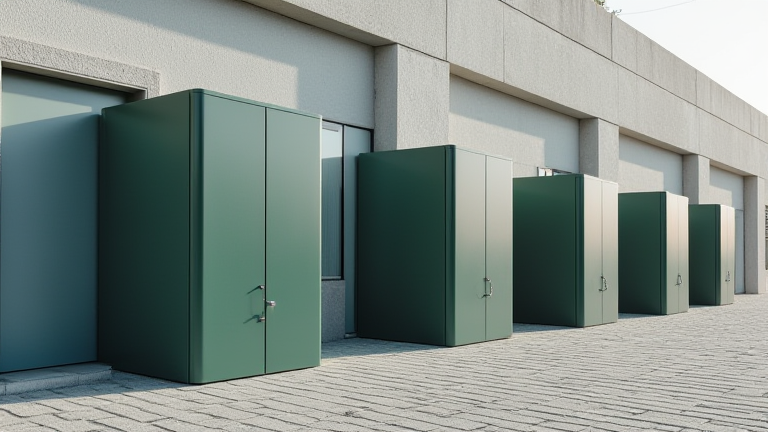
The aesthetic evolution of these systems also plays a crucial role. Modern battery units are sleek, compact, and designed to blend seamlessly with contemporary architecture. They no longer look like industrial equipment tucked away in a garage; they are stylish additions to the home’s infrastructure, reflecting a commitment to both form and function. This visual appeal contributes to the overall ambiance of the home, signaling a forward-thinking and sophisticated lifestyle.
Furthermore, the economic argument is becoming increasingly compelling. As technology improves and manufacturing scales up, the cost of batteries is dropping, making them accessible to a wider audience. The long-term savings on electricity bills, combined with potential incentives and rebates, make the initial investment more palatable. It is an investment in future-proofing one’s home, ensuring that it remains relevant and efficient
Leave a Reply