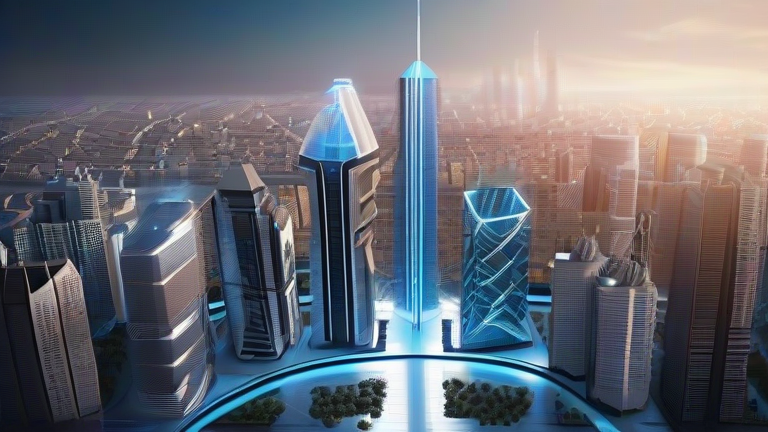
How Digital Twins Are Transforming Urban Planning
The landscape of modern urban development is undergoing a radical shift, moving away from static blueprints and reactive maintenance toward dynamic, predictive, and highly integrated systems. At the heart of this transformation is the concept of the Digital Twin. No longer just a futuristic buzzword, digital twins are becoming the central nervous system for smart cities, allowing planners to simulate, analyze, and control urban infrastructure in real-time. This technological leap is not merely about visualization; it is about creating a living, breathing digital replica of physical assets that can respond to data inputs just as effectively as their physical counterparts.

The market for digital twins in the built environment is expanding at an unprecedented pace. According to recent industry reports, the global digital twin market size was valued at approximately $15.8 billion in 2023 and is projected to reach over $73 billion by 2028, growing at a compound annual growth rate (CAGR) of nearly 35%. A significant portion of this growth is driven specifically by the urban planning sector. Cities like Singapore, Helsinki, and Shanghai have already invested heavily in full-scale digital twin platforms. These platforms integrate data from IoT sensors, satellite imagery, and municipal databases to create a comprehensive model of the city. This integration allows for granular monitoring of everything from traffic flow and energy consumption to waste management and public safety.
If you want to dig deeper, check out our guide on Space Tourism for the Middle Class: Now Accessible.
Expert Insights on Predictive Capabilities
Industry experts emphasize that the true power of digital twins lies in their predictive capabilities. “We are moving from descriptive analytics to prescriptive actions,” says Dr. Elena Rossi, a leading urban technologist at the Institute for Smart Cities. “Traditionally, urban planners looked at historical data to understand past trends. Digital twins allow us to run thousands of simulations in seconds. For example, we can simulate the impact of a new high-rise building on local wind patterns, shadow casting, and traffic congestion before a single brick is laid.”
This predictive power extends to disaster management and climate resilience. As extreme weather events become more frequent, cities are using digital twins to model flood risks, heat island effects, and emergency evacuation
Leave a Reply