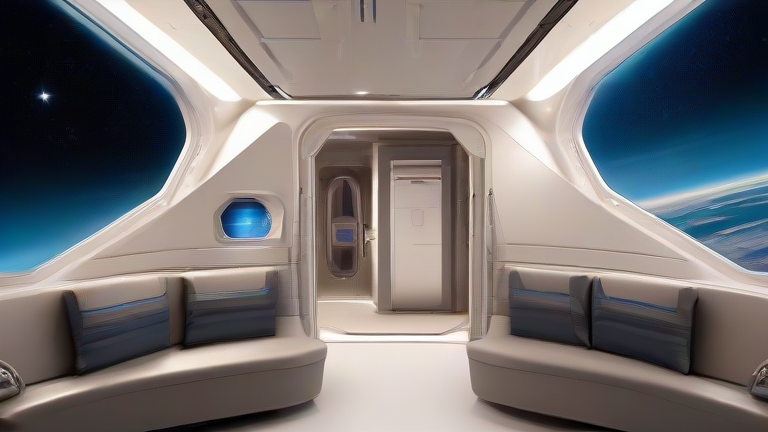
Space Tourism for the Middle Class: Now Accessible

The romantic dream of seeing Earth from orbit is no longer reserved solely for billionaires and elite astronauts. With the rapid advancement of commercial aerospace technology, space tourism is steadily transitioning from a sci-fi fantasy to a tangible reality for the middle class. Companies like Blue Origin, Virgin Galactic, and SpaceX are driving down costs through reusable rocket technology and streamlined operational procedures. While tickets still command a significant premium, prices have dropped from millions to hundreds of thousands of dollars, making this experience attainable for dedicated savers and investors. However, preparing your body and mind for the unique physiological stresses of space travel requires more than just financial planning. It demands a rigorous, science-backed approach to health and wellness that begins years before launch day.
The primary physical challenge of suborbital and orbital flight is the transition between high-G acceleration and microgravity. During launch, astronauts experience forces up to 3 to 4 Gs, which can strain the cardiovascular system. To mitigate this, prospective tourists should engage in targeted cardiovascular training. High-intensity interval training (HIIT) and steady-state aerobic exercises improve heart efficiency and blood pressure regulation, ensuring your body can handle the sudden pressure changes without dizziness or fainting. Additionally, core strengthening is crucial. A robust core stabilizes the spine during the intense vibrations of launch and landing, reducing the risk of back injury. Planks, bird-dogs, and resistance band exercises should be staples in your weekly routine.
Mental preparation is equally vital. The confined cabin of a spacecraft can induce claustrophobia or acute anxiety. Mindfulness meditation and biofeedback techniques have been proven to lower cortisol levels and improve emotional regulation. Practicing these techniques daily for six months can help you remain calm during critical phases of the flight. Furthermore, hydration and nutrition play a pivotal role. Pre-flight, you must adhere to a low-residue diet to minimize gastrointestinal distress in zero gravity. Avoiding gas-producing foods and excessive fiber three days before launch can prevent discomfort. Proper hydration ensures optimal blood volume, aiding in the body’s adjustment to fluid shifts in space.
Finally, consult with aerospace medicine specialists for
Leave a Reply