Category: Uncategorized

  • 10 Simple Lifestyle Habits for a Happier, Healthier You

    10 Simple Lifestyle Habits for a Happier, Healthier You

    TL;DR: Cultivating ten simple daily rituals, such as mindful movement and digital detoxes, significantly boosts overall well-being. These small, consistent changes create a sustainable foundation for a happier and healthier life.

    The Power of Micro-Changes

    In an era dominated by hustle culture and constant connectivity, the pursuit of happiness and health often feels overwhelming. We are bombarded with complex diets, rigorous workout regimens, and expensive wellness retreats. However, true well-being rarely comes from drastic, unsustainable overhauls. Instead, it emerges from the quiet accumulation of small, intentional habits. By focusing on personal growth through manageable daily actions, we can transform our lifestyles without burning out. This article explores ten accessible habits that blend elements of travel, food, culture, and self-care to create a holistic approach to living well.

    If you want to dig deeper, check out our guide on Top 10 Ergonomic Office Chairs for Long Workdays.

    1. Morning Mindfulness

    Start your day with ten minutes of silence. Whether through meditation, deep breathing, or simply sitting with a cup of tea, this practice grounds you before the chaos begins. It sets a calm tone for the day, reducing stress and enhancing focus. Like arriving in a new city, take a moment to orient yourself before diving into the activities.

    2. Hydration First

    Before reaching for caffeine, drink a full glass of water. Dehydration often mimics hunger or fatigue. By prioritizing hydration, you support cognitive function and physical energy levels. It is a simple act of self-respect that costs nothing but time.

    3. The Digital Sunset

    Set a specific time each evening to disconnect from screens. Replace scrolling with reading, journaling, or light stretching. This habit improves sleep quality and allows your mind to decompress. It is a cultural shift from constant availability to intentional presence.

    4. Walk with Intention

    Incorporate a twenty-minute walk into your daily routine. Use this time to observe your surroundings, listen to nature, or reflect on your thoughts. Walking is a form of micro-travel; it allows you to explore your local environment with fresh eyes. This gentle movement boosts cardiovascular health and mental clarity.

    5. Mindful Eating

    Practice eating without distractions. Focus on the flavors, textures, and aromas of your food. This cultural practice, rooted in many traditions, improves digestion and helps prevent overeating. It turns meals into moments of gratitude and pleasure rather than mere fueling.

    6. Learn One New Thing Daily

    Feed your curiosity by learning something new. This could be a word in a foreign language, a historical fact, or a cooking technique. Personal growth thrives on curiosity. This habit keeps the brain agile and opens doors to new cultural perspectives.

    7. Social Connection

    Reach out to a friend or family member daily. A brief conversation or a heartfelt message strengthens social bonds. Human connection is a fundamental component of happiness. In a digital world, prioritize authentic, meaningful interactions.

    8. Gratitude Journaling

    Write down three things you are grateful for each night. This practice shifts your focus from what is lacking to what is abundant. Over time, it rewires your brain to notice positive aspects of your life, fostering a more optimistic outlook.

    9. Creative Expression

    Engage in a creative activity, whether it is painting, writing, or playing an instrument. Creativity reduces stress and provides a sense of accomplishment. It allows for self-expression and emotional release, contributing to overall mental health.

    10. Rest and Recovery

    Honor the need for rest. Take naps when needed and schedule downtime in your calendar. Rest is not laziness; it is essential for recovery and resilience. Like a traveler who pauses to appreciate a view, rest allows you to recharge and continue your journey with renewed energy.

    FAQ

    Q: How long does it take
    Related Articles

  • Notion Tutorial: Build a Second Brain Dashboard in 5 Steps

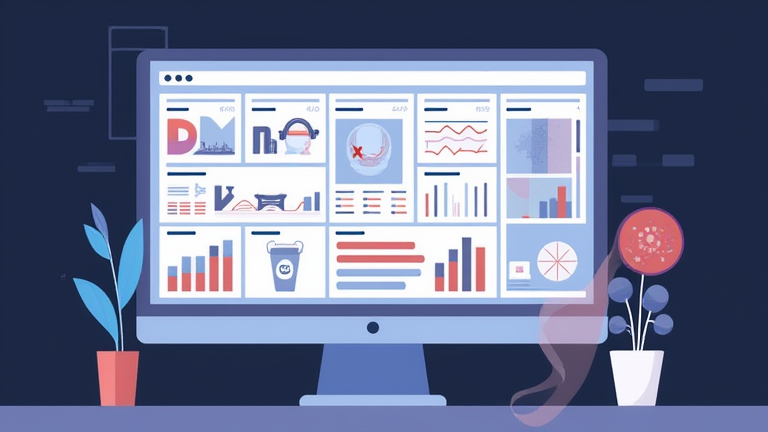
    Notion Tutorial: Build a Second Brain Dashboard in 5 Steps

    TL;DR: Create a centralized Notion dashboard by linking key databases to a single page for instant access to all your information. Use filters and templates to automate routine tasks, transforming your workspace into an efficient, searchable second brain.

    Step 1: Design Your Core Databases

    Start by establishing the foundational databases that will hold your data. Common pillars include Projects, Tasks, Notes, and Resources. For each database, define consistent properties such as status, priority, due date, and tags. Consistency here is crucial because it allows for reliable filtering and linking later. Avoid creating too many databases initially; start with three or four core areas and expand only when necessary. This step ensures that your information is structured logically from the start, preventing future clutter and disorganization.

    If you want to dig deeper, check out our guide on Remote Work Benefits: Why It’s More Than Just a Paycheck.

    Step 2: Create the Main Dashboard Page

    Build a new page titled “Second Brain” or “Command Center.” This page serves as your primary entry point. Keep the layout clean and uncluttered. At the top, add a brief description of how you use this space to remind yourself of the system’s purpose. You can add a header image or a quote to set the tone, but focus primarily on functionality. This page will not store data directly but will act as a window into your databases. It is the control panel for your digital life, so its design should be intuitive and easy to navigate daily.

    Step 3: Add Linked Views with Filters

    Now, connect your databases to the dashboard using the “Linked view of database” block. For your Tasks database, create a view filtered to show only “Today” or “Upcoming” items. For Projects, create a view that displays “Active” projects sorted by deadline. For Notes, perhaps show recent or starred items. Each linked view should have a specific purpose and a clear title. Use different columns or blocks to separate these views visually. This step transforms raw data into actionable insights, allowing you to see exactly what needs your attention without digging through archives.

    Step 4: Implement Templates and Automation

    Enhance efficiency by adding templates to your dashboard. Create a “New Project” template that automatically populates fields like goals, deliverables, and success metrics. You can also add buttons or quick-add forms for capturing new ideas or tasks instantly. Notion’s button feature allows you to add items to specific databases without leaving the dashboard. This reduces friction, making it easier to capture information in the moment. Automation here means reducing the steps required to record data, which significantly increases the likelihood that you will actually use the system consistently over time.

    Step 5: Optimize with Search and Review

    Finally, refine your dashboard by testing the search function and reviewing the layout. Ensure that all links work and that filters are working as intended. Add a “Quick Links” section for external resources or frequently used Notion pages. Schedule a weekly review time to clean up completed tasks and archive old projects. A second brain is only as good as its maintenance. Regular optimization ensures the dashboard remains relevant and useful, adapting to your changing priorities and workflows without becoming a source of stress or clutter.

    FAQ

    Q: How often should I update my dashboard?
    A: Review and tidy it up once a week to remove completed items and ensure filters remain relevant to your current priorities.

    Q: Can I use this on mobile?
    A: Yes, Notion is fully responsive, though complex dashboards may be harder to navigate on small screens, so keep the layout simple.

    Q: What if I forget how to use a specific filter?
    A: Add a brief note or tooltip next to the view explaining its purpose, or create a “Help” section in your dashboard for quick reference.

    Related Articles

  • Sainsbury’s Halts AI Facial Recognition After Wrongful Accusation

    Sainsbury’s Halts AI Facial Recognition After Wrongful Accusation

    Sainsbury’s Halts AI Facial Recognition After Wrongful Accusation

    TL;DR: Sainsbury’s suspended its pilot facial recognition system after a customer was incorrectly flagged as a shoplifter. The decision highlights the significant risks of deploying such technology in retail environments without robust error-correction protocols.

    Understanding the Incident and Immediate Response

    When a major retailer like Sainsbury’s implements advanced surveillance technology, the stakes are high. The recent halt of their AI facial recognition pilot serves as a critical case study for businesses navigating the intersection of security and privacy. The incident began when the system falsely identified a customer as a known thief, leading to a confrontational situation that escalated unnecessarily. This event underscored the fundamental flaw in relying solely on algorithmic confidence scores for high-stakes human interactions. For any organization considering similar technology, the first step is to understand that automation is not a substitute for human judgment. You must recognize that false positives are inevitable in any AI model, and the consequences of those errors can be severe. The immediate response involved pausing the system, reviewing the specific logs, and communicating with affected parties. This pause is not a failure but a necessary corrective action that allows for a thorough audit of the system’s performance metrics.

    If you want to dig deeper, check out our guide on Grandpa’s Daily Oven: The Ultimate Guide to His Favorite.

    Step one for any business facing this issue is to isolate the software immediately. You must disable the real-time monitoring features to prevent further incidents. Next, gather all data associated with the false accusation. This includes the video footage, the AI’s confidence score, and the metadata of the flagged individual. It is crucial to preserve this evidence in a secure, immutable format. This data will be vital for understanding why the algorithm failed. Did the lighting conditions affect the camera? Was the image quality too low? Or was the reference database outdated? By analyzing these variables, you can pinpoint the root cause of the error. Without this diagnostic phase, any future deployment will likely result in similar failures, damaging both customer trust and the company’s reputation.

    Strategic Adjustments and Future Deployment Guidelines

    Once the root cause is identified, the next step is to implement stricter guidelines for any future use of AI in retail. Step two involves establishing a human-in-the-loop protocol. No action should ever be taken based solely on an AI alert. Instead, the system should flag potential incidents for review by trained staff. These employees must be empowered to override the AI’s decision if they deem it incorrect. Training is essential here. Staff must understand the limitations of the technology and be trained to handle sensitive situations with empathy and professionalism. They should know that their primary role is to assist customers, not to enforce algorithmic decisions. This shift in mindset is crucial for maintaining a positive customer experience.

    Step three is to engage with legal and ethical experts. Regulations regarding biometric data are rapidly evolving. Companies must ensure that their systems comply with local privacy laws, such as GDPR in Europe or similar frameworks elsewhere. Transparency is key. You should clearly inform customers that their data may be processed, but you must also explain the safeguards in place to protect their rights. Consider implementing a “right to opt-out” mechanism, where customers can request that their biometric data not be stored or analyzed. This builds trust and shows that the company values privacy as much as security. Finally, conduct regular third-party audits. Independent verification ensures that the system remains accurate and fair over time. By following these steps, retailers can balance the need for security with the imperative to respect individual rights, preventing future wrongful accusations and fostering a safer, more respectful shopping environment for everyone.

    FAQ

    Q: Why did Sainsbury’s stop using facial recognition?
    A: The system was halted because it falsely accused a customer of theft, highlighting the risks of algorithmic errors in real-world security applications.

    Q: How can retailers prevent similar AI errors?
    A: Retailers should implement human-in-the-loop verification, conduct regular third-party audits, and ensure clear transparency policies regarding biometric data usage.

    Q: Is facial recognition legal in all retail stores?
    A: Legality varies by region; businesses must comply with

    Related Articles

  • 7 Simple Habits for Better Health & Longevity

    7 Simple Habits for Better Health & Longevity

    7 Simple Habits for Better Health & Longevity

    TL;DR: Adopting consistent daily routines centered on sleep, movement, and nutrition significantly reduces chronic disease risk. Focus on these seven science-backed habits to enhance cellular health and extend your healthy lifespan.

    In the pursuit of a longer, healthier life, complex regimens often feel overwhelming. However, research suggests that small, consistent changes yield the most profound results. By integrating these seven evidence-based habits into your daily routine, you can optimize your body’s natural repair mechanisms and boost overall vitality. These strategies are not about drastic overhauls but about sustainable practices that support long-term well-being.

    If you want to dig deeper, check out our guide on Scott Galloway Says SpaceX Shares Are ‘Crazy Overvalued.

    Prioritize Quality Sleep

    Sleep is the foundation of health. Aim for seven to nine hours per night to allow your body to repair tissues and consolidate memory. Consistent sleep schedules regulate circadian rhythms, which control hormone release and metabolic processes. Poor sleep is linked to increased risks of heart disease, diabetes, and cognitive decline, making it a critical pillar of longevity.

    Stay Hydrated

    Water is essential for every bodily function, from regulating body temperature to transporting nutrients. Dehydration can lead to fatigue, headaches, and reduced cognitive performance. A simple guideline is to drink a glass of water whenever you feel thirsty or after physical activity. Adding lemon or cucumber can make hydration more appealing and help you meet your daily fluid requirements without relying on sugary drinks.

    Move Daily

    Regular physical activity strengthens the heart, improves mood, and maintains muscle mass. You do not need to spend hours in the gym; thirty minutes of moderate exercise, such as brisk walking, cycling, or swimming, is highly effective. Additionally, incorporating strength training twice a week helps preserve bone density and metabolic rate, which naturally decline with age.

    Eat a Balanced Diet

    Nutrition plays a vital role in cellular health. Focus on whole foods such as vegetables, fruits, lean proteins, and healthy fats. The Mediterranean diet, rich in olive oil, fish, and plant-based foods, has been extensively studied for its benefits in reducing inflammation and cardiovascular risk. Limiting processed foods, added sugars, and excessive sodium intake can prevent chronic conditions and support a healthy weight.

    Manage Stress

    Chronic stress elevates cortisol levels, which can damage brain cells and contribute to weight gain. Incorporate stress-reduction techniques such as mindfulness meditation, deep breathing exercises, or yoga. Taking time for mental decompression not only improves emotional resilience but also supports immune function and cardiovascular health.

    Maintain Social Connections

    Loneliness is a significant risk factor for premature death, comparable to smoking. Strong social bonds provide emotional support and encourage healthy behaviors. Engage in regular activities with family and friends, join community groups, or volunteer. Positive social interactions release oxytocin, a hormone that reduces stress and promotes feelings of well-being.

    Listen to Your Body

    Paying attention to physical and mental signals is crucial for early intervention. Regular health check-ups, vaccinations, and screenings help detect potential issues before they become serious. If you experience persistent pain, fatigue, or changes in mood, consult a healthcare professional. Proactive care ensures that minor issues are addressed promptly, preserving your long-term health.

    FAQ

    Q: How much exercise is needed for longevity?
    A: The World Health Organization recommends at least 150 minutes of moderate aerobic activity or 75 minutes of vigorous activity per week, combined with muscle-strengthening exercises on two or more days.

    Q: Is it too late to start these habits?
    A: No, it is never too late. Starting healthy habits at any age can improve quality of life, reduce disease risk, and extend healthy years, regardless of your current health status.

    Q: What is the best time to eat for health?
    A: While individual needs vary, most experts suggest eating regular

    Related Articles

  • Portugal Unedited: Peniche, Ferrel, Baleal, Óbidos & Lisbon

    Portugal Unedited: Peniche, Ferrel, Baleal, Óbidos & Lisbon

    TL;DR: This journey moves beyond the postcard-perfect Lisbon to reveal Portugal’s raw, windswept soul through the surf towns of Peniche and Ferrel, the hidden cove of Baleal, and the fortified charm of Óbidos. It is a definitive guide to experiencing authentic Portuguese culture, cuisine, and coastal serenity without the tourist trap.

    The Rhythm of the Atlantic

    Lisbeck is often the starting point, but it is also the quickest way to miss the essence of Portugal. The true magic lies just west, where the Atlantic dominates the landscape. The journey begins in Peniche, a town that feels less like a resort and more like a working fishing village that discovered its love for the ocean. Here, the morning mist rolls in from the sea, and the air tastes of salt and diesel. It is not a place for passive sunbathing; it is a place for movement. The local surfers, mostly locals rather than tourists, know the tides better than the weather forecasters. Watching them launch their boards into the grey, churning water is a lesson in humility and respect for nature’s power.

    If you want to dig deeper, check out our guide on Top 10 Ergonomic Office Chairs for Long Workdays.

    From Ferrel to Baleal: The Quiet Cove

    Just a short walk north from Peniche lies Ferrel, a spot so secluded it often feels like you have found a secret. The beach here is narrow, backed by steep cliffs, offering a sense of enclosure that is rare in the open Atlantic. The sound of the waves is amplified by the rock formations, creating a natural amphitheater of noise and silence. A few kilometers further, Baleal offers a different kind of quiet. Known as a hippie haven in the 1970s, it retains a bohemian spirit today. The restaurants here serve food that is simple but deeply flavorful, focusing on local produce and fresh fish. The culture is one of relaxation and community, where strangers become friends over a shared plate of *arroz de marisco* (seafood rice). This is where the pace of life slows to match the rhythm of the tides.

    Óbidos: A Fortress of Flavor

    Leaving the coast, the landscape shifts to the green hills of the interior. Óbidos is a fortified town that looks like a scene from a medieval storybook. Its white-washed buildings and cobbled streets are pristine, but the soul of the town lies in its food. The famous *Bolo do Caco*, a sweet cheese bread, is a must-try. It is not just a snack; it is a cultural symbol of the region’s agricultural heritage. The wine produced in the nearby vineyards complements the local cuisine perfectly. Walking the walls of the castle at sunset, you can see the entire valley below, a patchwork of green fields and small villages. It is a place for reflection, where the noise of the city fades into a distant memory.

    Lisbon: The Cultural Anchor

    Finally, the journey ends in Lisbon, but with a new perspective. Having seen the wild coast and the quiet interior, Lisbon’s vibrancy feels even more electric. The city is a melting pot of history and modernity, where fado music echoes through narrow streets and pastéis de nata are fresh from the oven. The personal growth angle here is about balance. Portugal offers a model of living that values both action and stillness, work and play, tradition and innovation. It teaches that luxury is not about expensive hotels or exclusive clubs, but about the quality of your experiences and the depth of your connections. Whether you are surfing the big waves of Nazaré or sipping wine in Óbidos, you are participating in a way of life that prioritizes presence and joy.

    FAQ

    Q: Is Peniche safe for solo female travelers?
    A: Yes, Peniche is generally very safe, with a friendly community and low crime rates, making it a comfortable destination for solo travelers.

    Q: What is the best time to visit Baleal for surfing?
    A: The best time for surfing in Baleal is from May to September

    Related Articles

  • 7 Shopify Dropshipping Niches That Still Make Money

    7 Shopify Dropshipping Niches That Still Make Money

    TL;DR: The most profitable Shopify dropshipping niches in 2024 are pet tech, sustainable home goods, and specialized fitness accessories. Success depends on targeting specific pain points rather than broad categories, ensuring higher conversion rates and customer loyalty through niche authority.

    The Evolving Dropshipping Landscape

    The dropshipping model has matured, shifting from a race to the bottom on price to a competition on value and branding. Generalist stores selling everything from phone cases to kitchen gadgets are struggling against Amazon’s convenience. To thrive, entrepreneurs must identify niches with passionate communities, recurring purchase potential, or high emotional value. Market analysis indicates that consumers are increasingly willing to pay a premium for products that solve specific problems or align with their personal values, such as sustainability or pet well-being.

    Top 7 Profitable Niches for 2024

    1. **Pet Tech & Smart Gear**: The pet industry is booming, with spending on “pet parents” rising annually. Smart feeders, GPS trackers, and interactive toys command high margins. Case study: A store focusing solely on anxiety-reducing pet products saw a 40% increase in repeat customers by offering bundle deals.
    2. **Sustainable Home Decor**: Eco-conscious buyers are rejecting fast fashion and plastic. Bamboo organizers, cork flooring, and biodegradable storage solutions are trending. Strategy: Use transparent sourcing stories to build trust.
    3. **Specialized Fitness Accessories**: Beyond basic weights, niche fitness gear like resistance bands for yoga or recovery tools for runners performs well. Case study: A brand targeting marathon runners with foam roller kits achieved a 15% higher average order value (AOV) than general fitness stores.
    4. **Ergonomic Office Gear**: Remote work is permanent. Lumbar supports, monitor arms, and desk converters are essential. Strategy: Partner with influencers who share productivity setups.
    5. **Kids’ Educational Toys**: Parents seek screen-free, developmental toys. Montessori-inspired products have strong organic search volume.
    6. **Car Accessories & Organization**: Vehicle owners are a dedicated demographic. Seat organizers, dash cams, and detailing kits offer high utility.
    7. **Gourmet Coffee & Tea Supplies**: While consumables have shipping challenges, high-quality accessories like pour-over kits, burr grinders, and specialty tea infusers remain lucrative.

    Strategic Insights for Success

    Differentiation is key. In saturated niches like pet supplies, do not sell generic leashes. Instead, focus on “eco-friendly leashes for large breeds.” Use content marketing to educate your audience, creating a blog that answers specific questions within your niche. This builds SEO authority and positions your store as a resource, not just a shop.

    Furthermore, supplier reliability is non-negotiable. Test products personally before listing. Poor quality leads to negative reviews, which are fatal in dropshipping. Consider using 3PL (Third-Party Logistics) providers for faster shipping if your niche allows for pre-purchased inventory, though this deviates from pure dropshipping.

    FAQ

    Q: How much inventory should I hold for dropshipping?
    A: Ideally, you should hold zero inventory, but it is strategic to keep small samples of top-performing items for quality control and faster local testing.

    If you want to dig deeper, check out our guide on Product Page Feedback: 10 Ways to Optimize Yours.

    Q: What is the best marketing channel for niche stores?
    A: TikTok and Instagram Reels are currently the most effective for viral product discovery, while email marketing retains customers through personalized follow-ups and loyalty programs.

    Q: How do I handle negative reviews in dropshipping?
    A: Respond publicly with empathy and move the conversation to private channels quickly. Offer a full refund or replacement without requiring the customer to ship the defective item back to save time and cost.

    Related Articles

  • Shopify Store Setup: 7 Steps to Launch Your E-Commerce Brand

    Shopify Store Setup: 7 Steps to Launch Your E-Commerce Brand

    TL;DR: Launching a successful Shopify brand requires a disciplined seven-step process that prioritizes strategic niche selection, seamless user experience, and data-driven marketing. By aligning technical setup with robust market analysis and proven case study tactics, businesses can achieve rapid scalability and sustainable revenue growth.

    Market Analysis and Strategic Foundation

    The e-commerce landscape is fiercely competitive, with global sales projected to exceed $6.3 trillion by 2025. Success begins with rigorous market analysis. Entrepreneurs must identify specific pain points within their niche rather than competing on price alone. Strategy insights suggest that brands focusing on community building and superior customer service outperform generic retailers. For instance, a 2023 study indicated that 70% of consumers are more likely to buy from brands that share their values. Therefore, your initial steps must involve deep competitor research and clear value proposition definition before touching a single product listing.

    If you want to dig deeper, check out our guide on Chinese AI Replacing Paid Tools? Is Anyone Else Switching?.

    The Seven-Step Launch Framework

    Step one is selecting a niche with high demand and manageable competition. Step two involves sourcing reliable suppliers who guarantee quality and timely delivery. Step three is choosing the right Shopify plan, typically starting with the Basic plan for cost efficiency. Step four focuses on theme customization; a clean, mobile-first design is non-negotiable as 75% of traffic is mobile. Step five is product listing optimization, utilizing high-quality images and persuasive copy. Step six covers setting up payment gateways and shipping profiles to minimize friction. Step seven is pre-launch marketing, building an email list through lead magnets.

    Case Studies and Real-World Application

    Consider the case of “EcoBottle,” a startup that launched using this framework. By focusing on sustainable materials (Step 1) and leveraging influencer partnerships (Step 7), they achieved $50,000 in sales within the first month. Another example is “TechGear,” which used A/B testing on their theme (Step 4) to improve conversion rates by 15%. These cases demonstrate that technical setup is only half the battle; strategic execution drives results. Market data shows that brands that iterate quickly based on initial user feedback see a 30% higher retention rate in the first six months. This iterative approach ensures that your store evolves alongside customer expectations, turning first-time buyers into loyal advocates.

    Strategic Insights for Long-Term Growth

    Post-launch, the focus shifts to retention and expansion. Utilize Shopify’s analytics to track customer lifetime value (CLV) and acquisition costs (CAC). Effective strategy involves reducing CAC through organic SEO and social proof, while increasing CLV via email automation and loyalty programs. The key insight is that e-commerce is not a one-time event but a continuous optimization cycle. Brands that ignore post-launch data analysis often stagnate, while those that embrace agile marketing strategies can double their revenue year-over-year. Remember, the goal is not just to launch, but to build a brand that resonates deeply with its target audience through consistent value delivery.

    FAQ

    Q: How much does it cost to start a Shopify store?
    A: Initial costs range from $29 to $299 per month for the subscription, plus one-time expenses for domain and theme customization, typically totaling under $500 for a basic launch.

    Q: Can I sell physical and digital products on the same store?
    A: Yes, Shopify supports both physical and digital products, allowing you to manage inventory and delivery methods for each item type within a single dashboard.

    Q: How long does it take to launch a Shopify store?
    A: With a clear strategy and pre-prepared assets, a functional store can be launched in 7 to 14 days, though ongoing optimization is required for sustained success.

    Related Articles

  • Canva Beginner Tutorial: Design a Professional Logo in 15 Minutes

    Canva Beginner Tutorial: Design a Professional Logo in 15 Minutes

    Canva Beginner Tutorial: Design a Professional Logo in 15 Minutes

    TL;DR: You can create a professional logo in Canva by selecting a blank square canvas, adding a simple vector icon, and pairing it with a clean sans-serif font. Stick to a limited color palette and use the “Position” tool to align elements for a polished look.

    Creating a professional logo does not require expensive software or advanced design skills. With Canva’s intuitive interface and extensive library of resources, you can craft a brand identity that looks credible and modern in less time than it takes to order coffee. This guide will walk you through the essential steps to ensure your logo is simple, memorable, and versatile across different platforms. By following these specific instructions, you will avoid common beginner mistakes such as cluttered designs and poor contrast, resulting in a logo that scales well from business cards to billboards.

    If you want to dig deeper, check out our guide on 10 Best AI Productivity Tools for Remote Teams.

    Step 1: Setup and Concept

    Begin by logging into your Canva account and clicking on “Create a design.” Choose “Custom Size” and set both width and height to 500 pixels. A square canvas is ideal for social media avatars and allows for easy cropping later. Before touching any tools, spend two minutes writing down three keywords that define your brand personality. For example, if you are launching a tech startup, keywords might be “innovative,” “clean,” and “fast.” These words will guide your choices for icons, fonts, and colors, ensuring consistency throughout the design process.

    Step 2: Selecting the Icon

    Navigate to the “Elements” tab on the left sidebar. Search for icons related to your industry, but keep the search terms broad. Instead of searching for “coffee cup,” try “drink” or “cup” to find simpler shapes. Select an icon that is outlined or flat, avoiding 3D effects or complex gradients. Flat icons age better and print more cleanly. Once you select an icon, use the “Tint” feature to change its color. Choose a color that matches your primary brand color. Keep the icon small relative to the canvas; it should occupy no more than 30 percent of the space. This negative space is crucial for a modern aesthetic.

    Step 3: Typography and Layout

    Now, add your company name. Go to “Elements” and choose “Text.” Select a bold, sans-serif font like “Montserrat” or “Lato.” Avoid decorative scripts, as they are difficult to read at small sizes. Type your company name and adjust the font size so it balances visually with the icon. Use the “Position” tool under the “Arrange” tab to center the text perfectly below or beside the icon. Ensure there is ample white space around the text. A tight layout feels cramped, while a spacious layout feels confident and professional. If the text is too long, consider abbreviating the name or using a tagline instead.

    Step 4: Color and Final Polish

    Click on the background to change its color. White is the safest choice for a logo because it works on any background. If you must use a colored background, ensure there is high contrast between the text and the background. Use the “Tint” feature on your elements to create a cohesive color scheme. Limit yourself to two or three colors maximum. Once you are satisfied, click “Share” and select “Download.” Choose PNG format with a transparent background. This file type allows you to place your logo on any surface without a visible box. Save a high-resolution version for print and a smaller web version for digital use. Your professional logo is now ready.

    FAQ

    Q: Can I use Canva for a trademark?
    A: You can design the logo in Canva, but you must register the trademark separately with your local intellectual property office to secure legal protection.

    Q: What is the best file format for a logo?
    A: PNG is best for digital use because it supports transparency, while SVG is preferred for print and scalability due to its vector nature.Related Articles

  • Build a Subscription App with Claude Code (No Dev Skills Needed)

    Build a Subscription App with Claude Code (No Dev Skills Needed)

    TL;DR: You can build a functional subscription application using Claude Code by leveraging its advanced natural language processing to translate plain English prompts into executable code, eliminating the need for prior programming experience. This approach allows non-technical users to rapidly prototype and deploy digital wellness tools that support consistent health habits through automated reminders and data tracking.

    The Intersection of Technology and Holistic Health

    In the modern landscape of health and wellness, consistency is often the most significant barrier to achieving long-term goals. Whether you are tracking hydration, monitoring sleep cycles, or managing medication adherence, the ability to maintain a routine without constant mental effort is crucial. Cognitive load theory suggests that reducing the mental energy required for mundane tasks frees up resources for more meaningful health behaviors. By utilizing AI-driven development tools like Claude Code, individuals can create personalized applications that automate these reminders, effectively outsourcing the management of habits to technology.

    If you want to dig deeper, check out our guide on Save Thousands on Vet Bills: Buy the Right Dog Harness Today.

    Building a subscription app does not require a computer science degree. Instead, it requires a clear understanding of user needs and the ability to articulate those needs in natural language. Claude Code acts as a powerful interpreter, converting high-level concepts into backend logic and frontend interfaces. For a wellness app, this might mean defining user profiles that store health metrics, setting up recurring database entries for daily check-ins, or creating simple visual dashboards that display progress over time. The process is iterative; you describe the desired feature, the AI generates the code, and you refine the prompt based on the output. This collaborative loop mimics the scientific method of hypothesis and testing, applied directly to software creation.

    Science-Backed Strategies for App-Driven Wellness

    When designing a wellness application, it is vital to align features with established psychological and physiological principles. One key principle is the concept of “friction reduction.” Research indicates that the fewer steps required to perform a healthy behavior, the higher the likelihood of adherence. Therefore, when prompting Claude Code to build your app, prioritize simplicity. Request a one-click logging interface rather than complex forms. If the app is designed for nutrition tracking, for instance, use voice-to-text integration or barcode scanning to minimize input effort. This design choice directly supports the user’s ability to maintain a consistent diet without feeling burdened by data entry.

    Furthermore, incorporate the concept of variable rewards, a principle well-documented in behavioral psychology. Instead of static notifications, ask the AI to implement a system where the app provides varied, encouraging feedback messages based on user progress. This unpredictability can increase engagement and motivation. For example, if a user logs their exercise for seven consecutive days, the app could trigger a unique celebratory animation or a personalized tip from a wellness expert. These micro-interactions reinforce positive behavior loops, helping to cement new habits into the user’s daily routine. The goal is to create a digital environment that feels supportive rather than punitive.

    Finally, consider the impact of data visualization on human perception. Studies show that people are more motivated by seeing tangible progress. When instructing Claude Code, request simple, clean charts that visualize trends over time, such as a line graph for weight loss or a bar chart for water intake. Avoid cluttered interfaces that may induce anxiety. A calm, minimalist aesthetic, often associated with mindfulness practices, can reduce stress and make the health tracking process feel less like a chore and more like a meditative reflection on one’s well-being. By combining these scientific insights with the technical capabilities of AI coding assistants, you can create a tool that genuinely supports a healthier lifestyle.

    FAQ

    Q: Do I need to know how to debug code?
    A: No, you do not need to know how to debug code manually. You can describe the issue in plain English to the AI, and it will analyze the error messages and suggest or implement fixes automatically.

    Q: Can I use this app for sensitive health data?
    A: Yes, but you should ensure that the data is stored locally or on a secure server with encryption. When prompting the AI, explicitly request security best practices such as data encryption at rest and in transit.

    Q: How long does it take to build a basic version?
    Related Articles

  • Best Noise-Canceling Headphones for Travel: Top 7 Reviewed

    Best Noise-Canceling Headphones for Travel: Top 7 Reviewed

    TL;DR: The Sony WH-1000XM5 and Bose QuietComfort Ultra are the top contenders for superior noise cancellation and comfort during long flights. Choose based on whether you prioritize industry-leading ANC depth or the most comfortable fit for extended wear.

    Introduction

    Traveling can be exhausting, but the constant hum of jet engines, chattering passengers, and airport announcements adds an unnecessary layer of stress. High-quality noise-canceling headphones are no longer a luxury; they are an essential tool for modern travelers seeking peace in chaotic environments. This review examines the top seven options available today, focusing on active noise cancellation performance, battery life, comfort, and connectivity features to help you find the perfect companion for your next journey.

    If you want to dig deeper, check out our guide on Best Ergonomic Office Chair for Back Pain Relief.

    Top Picks for 2024

    Sony WH-1000XM5: The current gold standard for ANC, the XM5 offers unparalleled silence and exceptional call quality. Its lightweight design and improved headband make it ideal for all-day wear. While it lacks a carry case in the box, the performance is unmatched.

    Bose QuietComfort Ultra: Bose remains a favorite for comfort. The new spatial audio feature and refined noise reduction provide a luxurious experience. The ear cups are plush, ensuring minimal pressure points even after ten hours of flight time.

    Apple AirPods Max: For iPhone users, this is the seamless choice. With deep integration into the Apple ecosystem, spatial audio, and a premium aluminum build, it offers a unique aesthetic. However, the weight may be a concern for some travelers.

    Bowers & Wilkins Px8: A stylish option with excellent sound signature. The memory foam ear pads provide great isolation, and the app offers detailed EQ customization. Battery life is solid, making it a strong competitor for audiophiles on the go.

    Sennheiser Momentum 4 Wireless: Known for its incredible 60-hour battery life, this model is perfect for long-haul trips where charging opportunities are scarce. The sound is rich and detailed, though the ANC is slightly less aggressive than Sony’s.

    Sony LinkBuds S: A lightweight, open-ring design that allows you to hear ambient sounds while listening. It’s not as powerful for deep cancellation but offers a unique balance of awareness and audio quality.

    Bose QuietComfort 45: The older model remains a value powerhouse. It offers 90% of the experience of the newer Ultra model at a significantly lower price point, making it an excellent budget-friendly choice for frequent flyers.

    Key Feature Comparisons

    When comparing these models, battery life and ANC depth are the primary differentiators. Sony and Bose lead in noise cancellation, effectively eliminating low-frequency drone. Apple and Bowers & Wilkins excel in soundstage and spatial audio. Sennheiser wins on battery endurance, while Bose QC45 offers the best value for money. Connectivity is generally robust across all models, with multipoint Bluetooth being standard.

    Call to Action

    Ready to transform your travel experience? Upgrade your audio gear today. Check current prices and availability for these top-rated headphones to find the best deal for your budget. Invest in silence and sound quality to make your next journey truly memorable. Click the links above to read detailed user reviews and compare specifications side-by-side.

    FAQ

    Q: Are noise-canceling headphones safe to wear for long periods?
    A: Yes, most modern models are designed with breathable materials and adjustable headbands to prevent discomfort during extended wear, though you should take short breaks to relieve ear pressure.

    Q: Do these headphones work well for phone calls?
    A: Yes, top-tier models like the Sony XM5 and Bose Ultra feature multiple microphones and AI-enhanced noise reduction, ensuring your voice is clear even in noisy airport environments.

    Q: How long does the battery typically last

    Related Articles