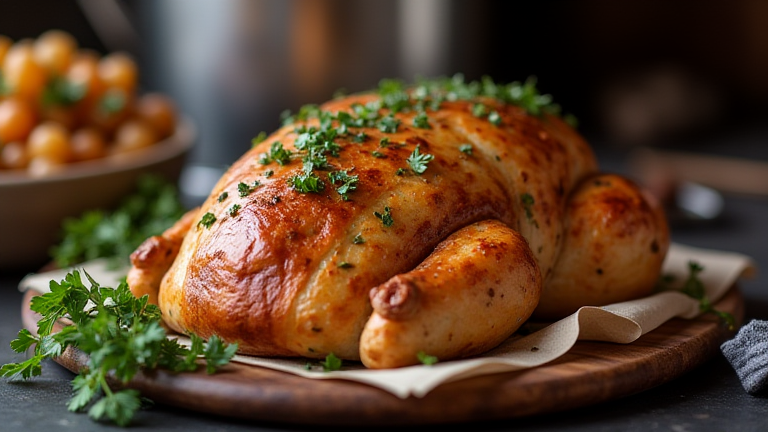
TL;DR: My grandpa’s daily oven routine minimizes added fats while maximizing nutrient retention, creating a simple yet powerful health habit. By embracing low-temperature baking, he preserves antioxidants and supports heart health without sacrificing flavor.
The Gentle Heat Revolution
Walking into my grandfather’s kitchen always felt like stepping into a sanctuary of warmth and aroma. For decades, he has relied on his trusty oven not just for Sunday roasts, but for his daily nutritional foundation. While many health enthusiasts chase complex superfoods and expensive supplements, my grandpa’s secret is remarkably simple: consistent, gentle baking. This method is not merely a culinary preference; it is a scientifically backed approach to preserving the integrity of food. Unlike deep frying or high-heat grilling, which can create harmful compounds like acrylamides, moderate oven temperatures protect delicate vitamins. This technique allows my grandpa to enjoy hearty meals that are inherently lower in calories and higher in essential nutrients.
If you want to dig deeper, check out our guide on EU AI Act Territorial Scope: Who Must Comply?.
Preserving Nutrients Through Controlled Cooking
Research in nutritional science consistently shows that cooking methods significantly impact the bioavailability of nutrients. Water-soluble vitamins, such as vitamin C and B vitamins, are easily lost during boiling. Baking, however, uses dry heat, which minimizes leaching. My grandpa often bakes root vegetables like sweet potatoes and carrots. These vegetables retain their beta-carotene and fiber better when roasted at lower temperatures. Furthermore, the Maillard reaction occurs gently in the oven, providing that desirable browned flavor and aroma without the need for excessive salt or sugar. This is crucial for managing blood pressure and blood sugar levels, two major concerns in modern wellness.
Building a Sustainable Lifestyle
Beyond the science, there is a lifestyle component to my grandpa’s routine. He prepares his meals in batches, using the oven as a central hub for the week. This reduces daily decision fatigue and promotes mindful eating. He emphasizes hydration and pairs his baked meals with leafy greens, ensuring a balanced intake. The oven acts as a passive partner in his health journey, requiring minimal active effort from him. This aligns with the concept of “habit stacking,” where a new, healthy behavior is attached to an existing routine. By making the oven his primary tool, he eliminates the temptation of quick, processed alternatives. His approach teaches us that wellness does not require complexity. It requires consistency and a respect for the natural properties of food. The result is a vibrant health span that defies typical aging stereotypes.
FAQ
Q: What is the ideal temperature for nutrient retention?
A: Aim for temperatures between 300°F and 375°F to preserve heat-sensitive vitamins while still cooking food thoroughly.
Q: Can baking help with weight management?
A: Yes, baking requires little to no added fat compared to frying, making it an effective strategy for reducing caloric intake while maintaining satiety.
Q: How often should I use the oven for health benefits?
A: Incorporating baked meals three to four times a week can significantly reduce exposure to harmful cooking byproducts and improve overall nutrient density.
Leave a Reply