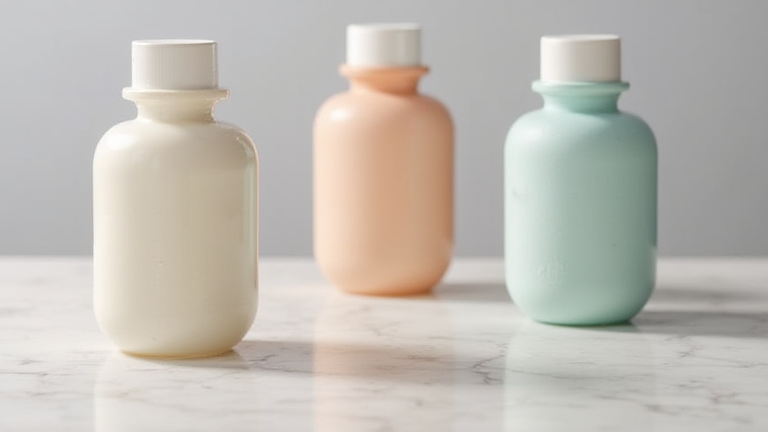
TL;DR: The skincare industry is undergoing a radical transformation driven by a shift toward personalized, microbiome-friendly, and sustainable formulations. These seven viral trends are not just passing fads but are fundamentally redefining consumer expectations and product development strategies in 2024.
The New Face of Skincare
The global skincare market, valued at over $150 billion, is experiencing unprecedented growth, with digital influence playing a pivotal role in shaping purchasing behaviors. According to recent market data from Statista, social media platforms like TikTok have become the primary driver for product discovery, particularly among Gen Z and Millennial demographics. This shift has accelerated the adoption of seven key trends that are currently reshaping routines worldwide.
If you want to dig deeper, check out our guide on Alamo Toronto Airport (YYZ) Saved Our Night After Trip Night.
1. Microbiome-Friendly Formulations
Experts emphasize that skin health is inextricably linked to the microbial balance on the epidermis. Dermatologists note that probiotic and prebiotic ingredients are gaining traction because they support the skin barrier without disrupting its natural ecosystem. Future predictions suggest that personalized microbiome testing will become a standard part of premium skincare consultations, allowing for hyper-specific product recommendations.
2. Skin Cycling
Originating from social media, skin cycling involves rotating active ingredients over four nights to reduce irritation and maximize efficacy. This method appeals to consumers who feel overwhelmed by complex routines. Industry analysts predict that brands will develop pre-packaged “cycling kits” to simplify this process, ensuring users do not mix incompatible actives like retinoids and acids.
3. Sustainable and Clean Beauty
Consumers are increasingly scrutinizing ingredient lists for eco-friendliness and ethical sourcing. The demand for refillable packaging and biodegradable materials is forcing major corporations to overhaul their supply chains. Market reports indicate that “clean beauty” is no longer a niche but a mainstream requirement, with consumers willing to pay a premium for transparent, sustainable practices.
4. Personalized AI Diagnostics
Technology is merging with skincare through AI-powered apps that analyze facial images to recommend tailored routines. This data-driven approach reduces trial and error for consumers. Experts believe that wearable devices monitoring skin hydration and pH levels will soon integrate with these platforms, creating a seamless feedback loop for daily care adjustments.
5. Barrier Repair Focus
After years of aggressive exfoliation trends, the focus has shifted to strengthening the skin barrier. Ingredients like ceramides, peptides, and niacinamide are central to this trend. Dermatologists advise that a healthy barrier is the foundation for any effective skincare routine, and this awareness is leading to a more balanced, less reactive approach to product usage.
6. At-Home Professional Treatments
The rise of at-home devices, such as LED masks and microcurrent tools, is blurring the lines between professional and home care. These devices offer convenience and cost savings compared to salon visits. Future trends suggest that these tools will become more affordable and accessible, potentially reducing the frequency of in-clinic visits for maintenance treatments.
7. Multi-Functional Products
In response to economic uncertainty and routine fatigue, consumers are favoring products that serve multiple purposes. Tinted moisturizers with SPF and serums with hydration properties are becoming staples. This trend reflects a desire for efficiency and simplicity, allowing users to achieve comprehensive care with fewer products.
FAQ
Q: Is skin cycling safe for all skin types?
A: While beneficial for many, those with sensitive or compromised skin barriers should consult a dermatologist before starting a cycling routine to avoid potential irritation or over-exfoliation.
Q: How does AI personalization improve skincare results?
A: AI algorithms analyze unique skin conditions and environmental factors to recommend specific ingredients and routines, minimizing the guesswork and reducing the likelihood of adverse reactions.
Q: Are sustainable skincare products more expensive?
A: Often, yes, due to higher costs for ethical sourcing and
Leave a Reply