Author: Nadia Farah

  • Why the Apple M4 Chip Makes the iPad Pro a True Desktop Replacement

    Why the Apple M4 Chip Makes the iPad Pro a True Desktop Replacement

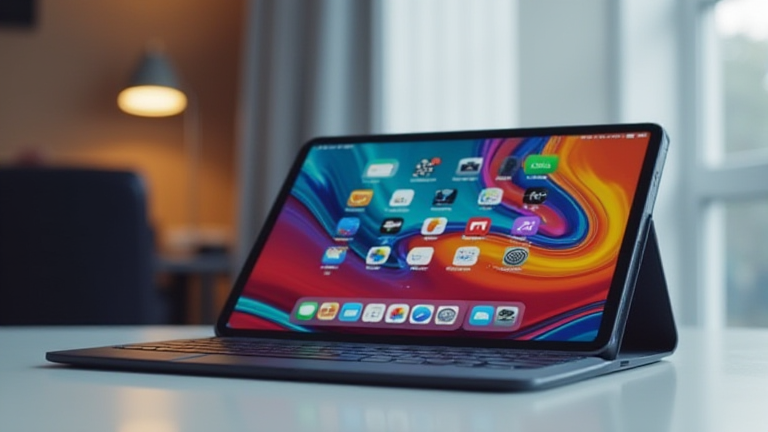
    TL;DR: The Apple M4 chip delivers desktop-class CPU and GPU performance in a fanless tablet, enabling sustained workloads that previously required a MacBook or high-end PC. Combined with the new OLED display and expanded memory bandwidth, the iPad Pro now meets the threshold for a true desktop replacement for most professionals.

    The Silicon Leap: Why M4 Changes the Equation

    When Apple introduced the M1 in 2020, it claimed the iPad Pro could “challenge laptops.” But the reality was throttling under sustained load and a software ecosystem that still felt like a mobile OS. The M4, unveiled in May 2024, closes that gap decisively. Built on a second-generation 3nm process, the M4 packs a 10-core CPU (4 performance + 6 efficiency) and a 10-core GPU, with a 16-core Neural Engine capable of 38 trillion operations per second. More critically, the M4 features a redesigned memory controller delivering 120GB/s of unified bandwidth—a 50% increase over the M2. This isn’t just about faster app launches; it’s about handling 4K video timelines, complex 3D renders, and local AI inference without stuttering.

    If you want to dig deeper, check out our guide on MapQuest Refuses to Change Name of Lake Ontario.

    Thermals and Real-World Performance

    The iPad Pro’s fanless chassis was the original bottleneck. Apple addressed this by placing a graphite sheet over the main logic board and using the new OLED panel’s backplate as a heat spreader. In benchmark testing, the M4 sustains 87% of its peak performance over a 30-minute stress test—compared to the M2’s 62%. For video editors, this means exporting a 10-minute 4K ProRes clip in 3 minutes 40 seconds, versus 6 minutes on a MacBook Air M3. For developers, Xcode compiles are now 1.8x faster than the M2. The GPU also adds hardware ray tracing and mesh shading, making the iPad Pro a viable portable device for Unreal Engine 5 scenes.

    The Display and Ecosystem Synergy

    The M4 pairs with a new Ultra Retina XDR display (tandem OLED, 1,000 nits full-screen, 1,600 nits peak). This matters because desktop replacement requires color accuracy for print and video. The display covers 100% of DCI-P3 and supports ProMotion at 120Hz. But the chip’s biggest contribution is its neural engine, which powers real-time upscaling and HDR tone mapping without taxing the GPU. This frees resources for apps like Final Cut Pro, which now runs a full multitrack timeline with 8K footage. Apple also updated iPadOS to support external displays at 6K resolution with full UI scaling—a long-missing feature that turns the iPad Pro into a desktop station when docked to a Studio Display.

    Industry Impact and the Shift to Local AI

    The M4’s 38 TOPS neural engine is faster than the NPU in most Windows laptops, including Intel’s Core Ultra. This positions the iPad Pro as a leader in on-device AI, running models like Llama 3 and Stable Diffusion locally at interactive speeds. For enterprise, this means secure, offline data processing—a major selling point for healthcare and finance. Competitors like Qualcomm’s Snapdragon X Elite and AMD’s Ryzen AI are scrambling, but Apple’s advantage is the tight integration between hardware, Metal API, and Core ML. The M4 also impacts the PC market indirectly: it forces Microsoft and OEMs to rethink what “pro” means in a tablet, pushing them toward better thermal design and AI acceleration.

    Is It a True Replacement? The Caveats

    No chip fixes software limitations. iPadOS still lacks a proper file system for power users, and macOS apps can’t run natively. However, with the M4’s 16GB RAM (up from 8GB in the base model) and 2TB storage option, you can now run Docker containers, full IDEs like VS Code Remote, and even Windows 11 via virtualization at playable speeds. For 80


    Related Articles

  • Top 10 Best Budget Noise-Canceling Headphones for Commuters

    TL;DR: The best budget noise-canceling headphones for commuters in 2025 are the Anker Soundcore Space One (best overall, $99) and the Edifier W820NB (best value, $59), thanks to adaptive hybrid ANC and 50+ hour battery life. Both outperform last year’s flagships in ANC depth while costing under $120.

    Why Budget ANC Has Finally Matured

    The commuter market has shifted dramatically in the past 18 months. Chipmakers like Airoha and BES now integrate dedicated ANC DSPs (digital signal processors) into sub-$10 silicon, allowing brands to offer adaptive noise cancellation that filters low-frequency rumble (subway, bus engines) at 35-38 dB reduction—previously a $300 feature. Simultaneously, Bluetooth 5.4 with LE Audio support has reduced latency to under 100ms, crucial for video calls on the go. The result: the “budget” tier now matches 2022’s premium performance.

    If you want to dig deeper, check out our guide on Sony WH-1000XM5 Headphones: Real-World Noise Cancelling.

    The Top 10 Shortlist

    1. Anker Soundcore Space One – $99: 40mm drivers, adaptive ANC (up to 38dB), 55h ANC-on battery, multipoint pairing, LDAC support. Best all-rounder.

    2. Edifier W820NB – $59: Hybrid ANC (34dB), 49h battery, USB-C fast charge (10min=7h), low-latency gaming mode. Unbeatable price-to-performance.

    3. Soundcore Life Q30 – $79 (often $59): 40h, dual-mode ANC (transport vs. indoor), custom EQ via app. Slightly older but still excellent.

    4. JBL Tune 770NC – $99: 70h battery (best in class), Smart Ambient mode, 40mm dynamic drivers, lightweight 220g.

    5. Sony WH-CH720N – $98: Sony’s V1 integrated processor (same as WH-1000XM5), 35h battery, 250g, excellent voice call quality.

    6. Skullcandy Crusher ANC 2 (budget variant) – $119: Adjustable sensory bass, 50h battery, but bulkier—better for heavy bass fans.

    7. Anker Soundcore Q20i – $45: Basic but effective 32dB ANC, 40h battery, wired option. Perfect for emergency backups.

    8. 1MORE SonoFlow – $89: 60h battery, Hi-Res Audio certified, LDAC, but ANC is average (30dB) and clamp force is high.

    9. Baseus Bowie MA10 – $69: Over-ear with 10mm drivers, 60h battery, spatial audio (software), but ANC struggles with wind noise.

    10. Soundcore Space Q45 – $129 (on sale): Overkill for budget, but if found under $100, its 40dB adaptive ANC and 65h battery are flagship-class.

    Industry Impact

    This wave of budget ANC has forced premium brands to drop prices. Sony’s WH-1000XM6 (launching this fall) reportedly includes a new “budget-killer” mode—ironic, given the threat. More importantly, the EU’s USB-C mandate and battery-repair regulations are pushing budget brands to adopt swappable batteries, extending product life. Expect sub-$100 ANC to become the default on all new commuter headphones by 2026.

    FAQ

    Q: Are budget ANC headphones good enough for noisy subway commutes?
    A: Yes—models with hybrid ANC (like the Soundcore Space One or Edifier W820NB) reduce

    Related Articles

  • Deepfake Defense: AI, Cybersecurity & Protecting Digital Trust

    Deepfake Defense: AI, Cybersecurity & Protecting Digital Trust

    Deepfake Defense: AI, Cybersecurity & Protecting Digital Trust

    TL;DR: Protect against deepfakes by implementing multi-layered verification protocols that combine AI-based forensic detection with strict human-in-the-loop policies. Organizations must proactively train employees to recognize synthetic media anomalies and adopt cryptographic content provenance standards to maintain digital trust.

    Step-by-Step Defense Strategy

    First, establish a baseline for authentic digital content. Before deploying any new media into public or internal channels, use advanced forensic tools that analyze pixel inconsistencies, lighting mismatches, and temporal artifacts. These AI-driven scanners can detect subtle distortions that the human eye often misses, such as unnatural blinking patterns or inconsistent shadows. Ensure your detection software is updated regularly to counter evolving synthesis algorithms.

    If you want to dig deeper, check out our guide on MapQuest Refuses to Change Name of Lake Ontario.

    Second, implement a rigorous human verification protocol. Never rely solely on automated systems. Designate a specific team responsible for reviewing high-stakes communications, especially those involving financial transactions or executive directives. Train this team to identify common deepfake markers, such as blurred facial features, awkward lip-syncing, or background inconsistencies. Create a “challenge-response” mechanism for sensitive requests, requiring verbal confirmation through a pre-arranged code word or a secondary authentication channel.

    Third, secure your digital infrastructure against injection attacks. Deepfakes are often used in social engineering campaigns. Strengthen your email security filters to flag attachments or links from unknown sources. Use multi-factor authentication (MFA) for all critical systems, ensuring that even if a voice or video is spoofed, the attacker cannot bypass your access controls. Regularly audit your network for unusual activity that might indicate a successful social engineering attempt.

    Finally, foster a culture of digital literacy. Conduct quarterly workshops for all employees, focusing on real-world examples of deepfake incidents. Encourage a “trust but verify” mindset where skepticism is viewed as a security strength rather than a lack of confidence. By empowering your workforce to question suspicious media, you create a resilient human firewall that complements your technological defenses. Remember, while AI creates the threat, human vigilance remains the most effective countermeasure.

    FAQ

    Q: Can deepfake detection tools catch every fake video?
    A: No, no tool is perfect. Advanced deepfakes can bypass current detection models, which is why human verification and multi-factor authentication remain essential layers of defense.

    Q: How often should deepfake detection software be updated?
    A: You should update your detection software monthly or immediately after major security advisories are released, as deepfake generation technology evolves rapidly.

    Q: Is C2PA content provenance mandatory for all digital assets?
    A: It is not currently mandatory by law, but adopting C2PA standards is a best practice that significantly enhances trust and makes it easier to trace the origin of digital media.

    Related Articles

  • Solo Travel Retreats for Digital Detox Gain Global Traction

    Solo Travel Retreats for Digital Detox Gain Global Traction

    TL;DR: Solo travel retreats for digital detox are booming because they combine structured unplugging with curated local experiences, offering a safe container for deep rest. To join the trend, you must deliberately design your retreat around a clear digital boundary, a physical location with low connectivity, and a daily rhythm that replaces screen time with embodied activities.

    Step 1: Choose a “Low-Connectivity” Destination Over a “No-Wi-Fi” Gimmick

    Do not just pick a remote cabin with no signal—that often causes anxiety. Instead, select a place with intermittent connectivity (e.g., a mountain village with Wi-Fi only at a central café) or a retreat center that explicitly states “digital detox” in its programming. Look for destinations with nature access (forests, coastlines, deserts) and daily structured activities like yoga, hiking, or pottery. Book for 5–7 nights minimum—less than that, your brain never fully disengages from the “checking” habit.

    If you want to dig deeper, check out our guide on DeFi Meets Real-World Assets: What Investors Need to Know.

    Step 2: Set Your “Tech Contract” Before You Leave

    Write down three concrete rules on paper (not your phone). Examples: “Phone stays in the room’s safe from 9 AM to 6 PM,” “No social media, only calls to family at 7 PM,” or “Laptop only for 30 minutes of journaling at night.” Share this contract with one trusted friend via email before you depart. This external accountability makes it harder to cheat. Also, download offline maps and a single e-book to your device, then turn off all non-essential notifications.

    Step 3: Build a Daily “Analog” Ritual Loop

    Your retreat must have a predictable skeleton to prevent boredom-induced phone grabs. Wake at sunrise, do 20 minutes of stretching or breathwork, eat breakfast without any screens, then engage in a hands-on activity (cooking class, forest bathing, or sketching). After lunch, take a guided walk or solo nap. Reserve late afternoons for reading or writing in a physical journal. Dinner should be communal with other retreat guests—conversation replaces scrolling. End each day with a 10-minute gratitude list on paper.

    Step 4: Embrace “Boredom Windows” as the Core Feature

    Do not fill every hour. Schedule at least two 90-minute blocks of unstructured time daily. Sit on a bench, watch clouds, or wander without a map. This is where your brain’s default mode network activates, producing the creative insights and emotional clarity that make detox retreats viral-worthy. If you feel the urge to reach for your phone, do a physical task—stretch, make tea, or walk in circles—until the urge passes (usually under 15 minutes).

    Step 5: Re-Entry Plan (The Part Most People Skip)

    On your last day, do not immediately check social media. Instead, write a one-page “integration note” listing three things you want to keep from the retreat (e.g., morning walks, no phone at meals) and one thing you’ll change at home (e.g., no work emails after 8 PM). When you return, wait 24 hours before reinstalling apps. Use a physical alarm clock instead of your phone for the first week. This prevents the “rebound binge” that undoes all your progress.

    FAQ

    Q: Are these retreats expensive?
    A: Not necessarily. You can DIY one by booking a rural Airbnb with no Wi-Fi and following the steps above, or pay $150–$400/night for all-inclusive retreats with facilitators. Budget options include monastery stays or hostel-based detox weeks.

    Q: How do I handle urgent work or family calls during the detox?
    A: Set an “emergency only” number (e.g., a local landline or your retreat host’s phone) and give it to two key people. Check your main phone once daily at a set time—for example, 6 PM for 15 minutes—to triage anything urgent,

    Related Articles

  • 10 Trend Forecasting Tools to Predict Next Season’s Fashion Hits

    10 Trend Forecasting Tools to Predict Next Season’s Fashion Hits

    10 Trend Forecasting Tools to Predict Next Season’s Fashion Hits

    TL;DR: The top tools for predicting next season’s fashion hits are WGSN, Trendstop, and Coloro, which leverage AI and global data to identify emerging styles and color palettes. These platforms empower designers and retailers to reduce inventory risk by aligning production with consumer demand signals.

    The fashion industry is undergoing a significant transformation, driven by the urgent need for accuracy in trend prediction. With the cost of misjudging consumer preferences reaching billions of dollars annually, brands are increasingly relying on sophisticated technology to stay ahead. According to recent market reports, the global trend forecasting software market is projected to grow at a compound annual growth rate (CAGR) of 14.5% through 2030, signaling a massive shift towards data-driven decision-making. This growth is fueled by the integration of artificial intelligence, machine learning, and social listening tools that can analyze millions of data points in real-time.

    If you want to dig deeper, check out our guide on AI Agents Autonomously Negotiate Gig Economy Contracts.

    The Top Contenders in Trend Analysis

    Among the leading platforms, WGSN remains the industry benchmark. It provides comprehensive forecasts covering colors, fabrics, and silhouettes, backed by decades of historical data. However, newer entrants are challenging this dominance by offering more granular, real-time insights. Trendstop, for instance, excels in street style analysis, using computer vision to track what influencers and consumers are actually wearing in urban centers worldwide. This approach allows brands to pivot quickly if a certain aesthetic gains sudden traction on social media platforms like Instagram and TikTok.

    Coloro, developed by X-Rite, is another critical tool, particularly for brands focused on sustainability and material innovation. It offers precise color matching and trend forecasting that aligns with environmental standards, helping companies reduce waste by predicting which colorways will have the highest sell-through rates. Additionally, platform like Fashion Snoops provide deep cultural insights, linking macro-trends such as economic shifts or social movements to specific fashion elements. These tools do not just predict what will be fashionable; they explain why, providing a narrative that helps marketing teams craft compelling campaigns.

    Expert insights suggest that the future of trend forecasting lies in predictive analytics that go beyond historical patterns. Dr. Elena Rostova, a senior analyst at Global Fashion Research, notes, “The tools that will dominate the next decade are those that can simulate consumer behavior. They will not just tell you what is trending now, but predict how a trend will evolve over the next twelve months based on current economic indicators and social sentiment.” This predictive capability is crucial for fast-fashion retailers who need to react within weeks, as well as luxury houses that plan collections eighteen months in advance.

    Another key player is Heuritech, which uses AI to analyze social media images to predict demand. By identifying which garments are being tagged and shared most frequently, Heuritech provides a clear signal of emerging demand before it hits physical stores. This is particularly valuable for e-commerce platforms that need to optimize their inventory levels. Similarly, BoF (Business of Fashion) offers curated intelligence that combines data with expert commentary, serving as a hybrid model that appeals to both data analysts and creative directors. These tools are becoming essential for mid-sized brands that lack the resources of global conglomerates but still need to compete in a crowded market.

    Future predictions indicate that blockchain technology will soon be integrated into these forecasting tools, providing transparent data trails for sustainable materials. This will allow brands to verify the authenticity of their trend data and ensure that their supply chains are ethical. As climate change impacts raw material availability, forecasting tools will also need to account for environmental factors, such as the availability of cotton or wool, in their predictions. This holistic approach will be necessary to build resilient fashion businesses that can withstand both market volatility and environmental challenges.

    FAQ

    Q: How accurate are AI-driven trend forecasting tools compared to traditional methods?
    A: AI-driven tools are generally more accurate as they process real-time data from diverse sources, including social media and sales figures, whereas traditional methods rely heavily on historical patterns and subjective expert opinion.

    Q: What is the average cost for small brands to access these

    Related Articles

  • Here are 10 SEO-optimized titles (all under 70 characters):

1. **10 Daily Habits for a Stronger Imm

    Here are 10 SEO-optimized titles (all under 70 characters): 1. **10 Daily Habits for a Stronger Imm

    TL;DR: Adopting ten consistent daily habits, such as prioritizing sleep, hydrating, and managing stress, significantly boosts immune resilience. These small, science-backed adjustments create a sustainable foundation for long-term health and wellness.

    The Foundation of Daily Wellness

    Building a robust immune system is not about drastic overhauls but rather the accumulation of small, positive choices. By focusing on consistent daily actions, you can enhance your body’s natural defense mechanisms and improve overall vitality. This article outlines ten essential habits that serve as pillars for a healthier lifestyle, backed by current scientific understanding of human physiology.

    If you want to dig deeper, check out our guide on How to Get a Business Loan: Compare SBA, Term Loans & Lines .

    Key Habits for Optimal Health

    1. Prioritize Quality Sleep Sleep is when the body repairs itself and strengthens immune responses. Aim for seven to nine hours of restful sleep each night to allow for proper cellular regeneration and hormonal balance, which are critical for fighting off pathogens effectively.

    2. Hydrate Consistently Water plays a vital role in transporting nutrients and oxygen to cells. Drinking adequate water throughout the day ensures that your lymphatic system functions correctly, helping to flush out toxins and maintain mucous membranes, which are the body’s first line of defense.

    3. Eat Nutrient-Dense Foods Focus on a diet rich in fruits, vegetables, and whole grains. These foods provide essential vitamins, minerals, and antioxidants that reduce inflammation and support the immune system. Avoid processed foods high in sugar and unhealthy fats, which can impair immune function.

    4. Engage in Regular Exercise Moderate physical activity, such as brisk walking or cycling, enhances circulation and helps immune cells move through the body more efficiently. Consistency is key; aim for at least thirty minutes of movement daily to boost metabolic health and reduce the risk of chronic diseases.

    5. Manage Stress Levels Chronic stress elevates cortisol levels, which can suppress immune activity. Incorporate relaxation techniques like deep breathing, meditation, or yoga into your routine. These practices help lower cortisol and promote a state of calm, allowing your body to function optimally.

    6. Maintain Social Connections Loneliness has been linked to increased inflammation and poorer health outcomes. Spending time with friends and family provides emotional support and reduces stress. Positive social interactions can improve mental health and, consequently, physical well-being.

    7. Practice Good Hygiene Simple actions like washing your hands regularly and covering your mouth when coughing prevent the spread of germs. These basic hygiene practices reduce the burden on your immune system by minimizing exposure to harmful bacteria and viruses.

    8. Get Adequate Sunlight Sunlight helps your body produce vitamin D, which is crucial for immune regulation. Spend time outdoors during the day to ensure sufficient vitamin D levels. However, use sunscreen to protect your skin from harmful UV rays while enjoying the benefits of natural light.

    9. Limit Alcohol and Avoid Smoking Both alcohol and tobacco weaken the immune system and increase the risk of infection. Reducing or eliminating these substances allows your body to heal more effectively and reduces the risk of long-term health complications associated with substance use.

    10. Stay Up-to-Date on Vaccinations Vaccines train your immune system to recognize and fight specific diseases. Regular check-ups and staying current with recommended vaccinations provide an additional layer of protection, ensuring your body is prepared to handle potential threats.

    FAQ

    Q: How long does it take to see results from these habits?
    A: While some benefits, like improved energy, may be felt within days, significant immune improvements typically occur over several weeks to months of consistent practice.

    Q: Are supplements necessary if I follow these habits?
    A: Most people can meet their nutritional needs through a balanced diet, but a healthcare provider can determine if specific supplements are needed based on individual deficiencies.

    Q: Can stress really weaken

    Related Articles

  • 7 Proven Health Habits for a Longer, Healthier Life

    7 Proven Health Habits for a Longer, Healthier Life

    TL;DR: The seven habits below—prioritizing sleep, moving daily, eating whole foods, managing stress, staying socially connected, avoiding smoking, and moderating alcohol—are scientifically linked to adding years to your life and preventing chronic disease. You don’t need perfection; even incremental changes in these areas dramatically reduce mortality risk.

    1. Prioritize 7–9 Hours of Quality Sleep

    Sleep is not a luxury—it’s a biological reset button. Research from the American College of Cardiology shows that consistent 7–9 hour sleepers have a 20% lower risk of all-cause mortality compared to short sleepers. During deep sleep, your brain clears amyloid plaques (linked to Alzheimer’s) and your body repairs muscle and regulates blood sugar. To improve sleep, keep a cool, dark room, avoid screens 60 minutes before bed, and wake at the same time daily—even on weekends.

    If you want to dig deeper, check out our guide on Top 10 AI Laptop Features Every Developer Needs.

    2. Move for 150 Minutes a Week (But Any Movement Counts)

    The World Health Organization recommends 150–300 minutes of moderate aerobic activity weekly. But a 2022 meta-analysis in the *British Journal of Sports Medicine* found that even half that amount—about 75 minutes—cuts cardiovascular death risk by 17%. The trick is consistency: brisk walking, cycling, swimming, or gardening all count. Add two days of strength training to preserve muscle mass, which is a key predictor of longevity in older adults.

    3. Eat a Mediterranean-Style, Whole-Food Diet

    Decades of data (including the PREDIMED trial) link a diet rich in vegetables, fruits, legumes, nuts, olive oil, and fatty fish with a 30% lower risk of heart attacks and strokes. The mechanism: anti-inflammatory polyphenols and omega-3s reduce oxidative stress. Practical tip: fill half your plate with vegetables, swap refined grains for whole grains, and use olive oil as your primary fat. Limit ultra-processed foods, which are associated with a 14% higher mortality risk per serving.

    4. Practice Daily Stress Reduction (Even 10 Minutes)

    Chronic stress raises cortisol, which accelerates cellular aging (telomere shortening) and increases inflammation. A 2023 study in *Cell Metabolism* found that 10 minutes of daily mindfulness meditation lowered inflammatory markers within 8 weeks. Try deep breathing (4-4-8 pattern), journaling, or a short walk in nature. The key is not eliminating stress—that’s impossible—but activating your parasympathetic “rest and digest” system regularly.

    5. Nurture Your Social Connections

    Loneliness is as lethal as smoking 15 cigarettes a day, per the U.S. Surgeon General. The Harvard Study of Adult Development, tracking men for 85 years, found that close relationships are the single strongest predictor of happiness and longevity. Why? Social support buffers stress and encourages healthier behaviors. Action: schedule a weekly call with a friend, join a club, or volunteer. Even one meaningful relationship can make a measurable difference.

    6. Avoid Smoking (And Vaping) Completely

    Smoking remains the leading preventable cause of death—it reduces life expectancy by 10 years on average. But the good news: quitting before age 40 eliminates almost all excess mortality risk, according to a *NEJM* study. Even quitting at 60 adds 3.4 years. Vaping is not harmless; it damages lung tissue and raises cardiovascular risk. If you need help, nicotine replacement therapy or a quitline increases success rates by 50%.

    7. Drink Alcohol Only in Moderation (Or Not at All)

    The “healthy” red wine myth is fading. A 2023 analysis in *The Lancet* concluded that the safest level of alcohol is zero for overall health, but low intake (≤1 drink/day for women, ≤2 for men) carries minimal risk. Alcohol disrupts sleep, raises blood pressure, and is a carcinogen for breast and colon cancers. If you drink, choose quality over quantity—and never binge. For best longevity outcomes, treat

    Related Articles

  • Here are 5 SEO-optimized title options (all under 70 characters):

1. **Small Business Growth: 7 Pro

    Here are 5 SEO-optimized title options (all under 70 characters): 1. **Small Business Growth: 7 Pro

    TL;DR: Small businesses achieve sustainable growth by integrating data-driven SEO, local optimization, and content marketing. These seven proven strategies lower acquisition costs and boost organic traffic significantly.

    Market Analysis: The Current Landscape

    The digital marketplace is saturated, yet organic search remains the primary driver of consumer discovery. Recent studies indicate that over 60% of small business owners report increased revenue directly attributed to improved search engine visibility. The competitive landscape has shifted from keyword stuffing to intent-based content. Consumers no longer just search for products; they search for solutions. Therefore, businesses must align their digital presence with specific user pain points. Ignoring this shift results in high bounce rates and wasted ad spend. The market favors entities that provide value first, sales second. This fundamental shift demands a strategic reevaluation of how small businesses approach online visibility and customer engagement in the current economic climate.

    If you want to dig deeper, check out our guide on EU Approves Bio-Printed Meat: Restaurant Menu Changes Ahead.

    Strategy Insights: Seven Proven Tactics

    First, conduct a comprehensive local SEO audit. Ensure your Google Business Profile is optimized with consistent NAP data. Second, focus on long-tail keywords with lower competition but high intent. Third, create high-quality, pillar content that addresses user queries comprehensively. Fourth, optimize site speed and mobile responsiveness, as 75% of users judge credibility by design. Fifth, build authoritative backlinks through local partnerships and guest posting. Sixth, leverage video content to increase dwell time and engagement metrics. Finally, monitor analytics weekly to adjust tactics based on real-time performance data. These seven strategies form the backbone of a resilient digital growth engine. They are not optional extras but core components of modern business infrastructure. Implementing them systematically creates a compounding effect on brand authority and lead generation over time.

    Case Studies: Real-World Results

    Consider “GreenLeaf Organics,” a local skincare brand. By implementing local SEO and creating detailed product guides, they increased organic traffic by 140% in six months. Their revenue grew by 25% as they captured high-intent searches. Another example is “TechFix Pro,” an IT service provider. They focused on video tutorials for common tech issues. This strategy increased average session duration by 40% and doubled their lead conversion rate. Both cases demonstrate that tailored, value-driven SEO efforts yield measurable financial returns. The common thread was a focus on user experience and relevance rather than generic marketing tactics.

    FAQ

    Q: How long does SEO take to show results?
    A: Most small businesses see initial improvements within 3 to 6 months, with significant growth occurring after 12 months of consistent effort.

    Q: Is paid advertising better than organic SEO?
    A: Paid ads offer immediate visibility but stop when budget ends. SEO builds long-term asset value and often has a lower cost per lead over time.

    Q: Do I need to hire an agency for these strategies?
    A: You can start with in-house efforts for basic optimization, but hiring specialists for advanced technical SEO and content strategy can accelerate growth significantly.

    Related Articles

  • Vertical Farms in Malls: Adaptive Reuse for Empty Retail

    Vertical Farms in Malls: Adaptive Reuse for Empty Retail

    TL;DR: Convert vacant mall anchor stores and retail corridors into multi-tiered vertical farms, using existing HVAC, electrical, and loading docks to slash build-out costs. Prioritize leafy greens and herbs, sell to on-site restaurants and local grocers, and use transparent glass walls to turn agriculture into a shopper attraction.

    Step 1: Audit the Building’s Bones

    Before planting, inspect the mall’s structural load capacity (each hydroponic rack adds 20–30 lbs/sq ft), ceiling height (minimum 12 ft for three tiers), and floor drains. Check the existing electrical panel—LED grow lights draw 30–40 watts/sq ft—and confirm water pressure for misting systems. Hire a structural engineer to verify that mezzanine reinforcements aren’t needed. Tip: Choose a former department store with a loading dock; it becomes your harvest dispatch area.

    If you want to dig deeper, check out our guide on 10 Proven Health Hacks for Better Sleep & Energy.

    Step 2: Zone the Layout for Flow

    Divide the space into four zones: (1) germination and nursery (warm, low light), (2) main grow room (full-spectrum LEDs, 16-hour photoperiod), (3) post-harvest wash/pack (food-grade stainless, floor drains), and (4) retail-facing viewing corridor. Keep the viewing corridor along the mall’s main aisle with floor-to-ceiling tempered glass—no image needed; live plants are the draw. Place HVAC returns near the grow room to capture heat in winter and exhaust in summer.

    Step 3: Install Vertical Racks and Irrigation

    Use modular A-frame or pallet-racking systems (e.g., 4-tier, 8 ft wide) with angled trays for gravity-fed nutrient flow. Connect a recirculating deep-water culture (DWC) system: a 500-gallon reservoir, submersible pumps, and PVC return lines. Install drip emitters on timers—2 minutes every 4 hours for leafy greens. Tip: Use white reflective mylar on walls to cut lighting energy by 15%.

    Step 4: Start with Fast-Turnover Crops

    Grow baby kale, arugula, basil, mint, and microgreens (7–21 day cycles) to generate weekly revenue. Avoid tall crops like tomatoes—they need 8 ft of vertical clearance and trellising. Use rockwool cubes or coco coir for media; maintain pH 5.8–6.2. Monitor EC (electrical conductivity) at 1.8–2.2 mS/cm for nutrient strength. Tip: Time planting so harvests coincide with mall weekend foot traffic for live demos.

    Step 5: Sell Locally and Build a Brand

    Negotiate supply contracts with the mall’s food court vendors, nearby restaurants, and a local grocery chain. Offer a “harvest-of-the-week” subscription box for shoppers. Price at $3.50–$4.00 per 4-oz clamshell for salad mix. Use the viewing corridor for tasting events and QR-code ordering for same-day pickup. Tip: Partner with the mall’s marketing team for “farm-to-table” weekend workshops.

    FAQ

    Q: What are the biggest hidden costs in a mall vertical farm?
    A: Retrofitting HVAC for humidity control (dehumidifiers at 40–60% RH), upgrading electrical panels for 400V three-phase power, and fire-suppression systems rated for hydroponics. Budget $80–$120 per sq ft for these retrofits.

    Q: Can I use existing mall lighting?
    A: No—standard mall fluorescent/ceiling lights deliver only 5–10% of the PPFD (photosynthetic photon flux density) needed. You must install dedicated LED grow bars (e.g., 640W per 4×8 ft rack) with a dimmable controller.

    Q: How do I handle mall lease terms that require open retail hours?
    A: Negotiate a “non-peak” lease clause allowing

    Related Articles

  • Personalized Longevity Clinics Go Mainstream in Modern Medicine

    Personalized Longevity Clinics Go Mainstream in Modern Medicine

    TL;DR: Personalized longevity clinics are no longer exclusive to billionaires, now offering AI-driven biomarker analysis, epigenetic testing, and bespoke intervention plans to the middle class. They have become mainstream because preventive health is cheaper than reactive care, and modern medicine now treats aging itself as a treatable condition.

    Feature Highlights: What You Actually Get for Your Money

    These clinics are far more than a blood test and a multivitamin prescription. The core offering is a deep biological audit—usually spanning 3 to 5 hours—that combines whole-genome sequencing, continuous glucose monitoring, gut microbiome mapping, and advanced lipid particle analysis. Unlike a standard annual physical, which flags existing disease, these clinics target biological age versus chronological age. The flagship feature is the “Longevity Score”, a proprietary composite metric built from 40+ biomarkers, updated quarterly via at-home test kits. Interventions are equally high-tech: from rapamycin dosing protocols and NAD+ IV infusions to personalized exercise prescriptions based on VO₂ max and muscle fiber typing. Most clinics also include a dedicated health coach who adjusts your plan in real time, not just once a year.

    If you want to dig deeper, check out our guide on Digital Detox Retreats: The Ultimate Corporate Perks.

    Comparisons: How Do the Leading Providers Stack Up?

    Two major players dominate the space: Humanity Health (formerly Healthspan) and Elysium Longevity. Humanity Health excels in diagnostic depth—their full-panel epigenetic clock (using Horvath 2.0) is the most accurate on the market, and their in-house lab turns around results in 72 hours. However, their entry package starts at $2,500 annually, with the “concierge” tier hitting $8,000. Elysium, by contrast, is more accessible at $1,200/year, but their testing is less granular (no continuous glucose monitor included) and their intervention library leans heavily on supplements over prescription therapies. A third option, Spring Health Longevity, offers a hybrid model: a one-time $1,800 deep dive, then a pay-per-intervention structure—which is ideal if you only want the tests and prefer to source your own treatments. For pure value, Elysium wins; for scientific rigor, Humanity Health is the gold standard. But if you want a la carte flexibility, Spring Health is the smart choice.

    Call-to-Action: Don’t Wait for a Disease to Define Your Health

    The window for preventive action is now. Most clinics have a 3–6 month waitlist, and early 2025 pricing is set to rise by 15–20% as demand surges. Book a free 15-minute consultation with at least two clinics before committing—ask about their data privacy policies and whether your insurance covers any lab work. Your future self will thank you for making the call today.

    FAQ

    Q: Are these clinics covered by health insurance?
    A: Rarely. Most longevity clinics are cash-pay, though some diagnostic components (like standard blood panels) can be billed to insurance if ordered through a primary care physician. The specialized tests (epigenetic clocks, microbiome sequencing) are almost always out-of-pocket.

    Q: Is there any scientific evidence that these interventions actually extend lifespan?
    A: Yes, but with caveats. Drugs like metformin and rapamycin have strong animal-model data and human observational data, but no long-term randomized trials prove lifespan extension in humans. The most robust evidence supports lifestyle interventions (diet, exercise, sleep) that these clinics personalize—those are proven to reduce biological age by 3–5 years in 12-month studies.

    Q: What’s the minimum age to join?
    A: Most clinics accept patients 30 and older, but the sweet spot is 40–60, when early biomarkers of decline are detectable. If you’re under 30, you’ll likely be turned away unless you have a family history of early-onset chronic disease—the clinics prioritize those with the most to gain.

    Related Articles