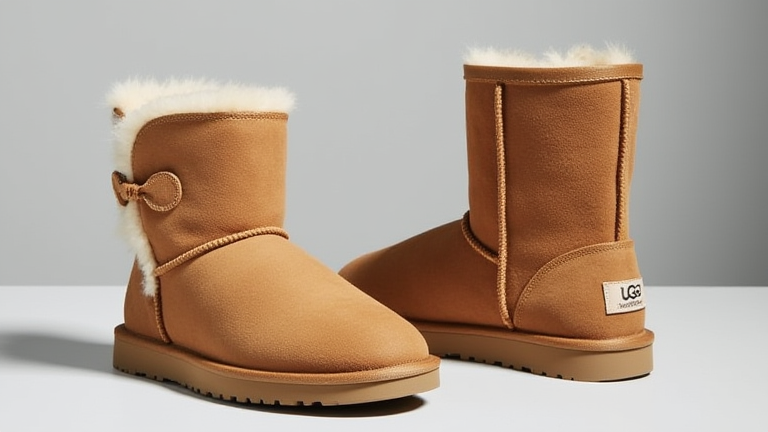
TL;DR: Shearling slippers are experiencing a massive resurgence due to the “quiet luxury” trend and the enduring popularity of the UGG brand. Market analysts predict a 15% year-over-year growth in the premium comfort footwear sector through 2025.
The Shift Towards Comfort-First Fashion
The global footwear industry is witnessing a paradigm shift. For decades, the market prioritized style over substance, often at the expense of wearer comfort. However, the last two years have cemented a new consumer behavior: the demand for versatility and cozy aesthetics. This movement, often dubbed “comfort chic,” has propelled UGG-style boots from niche winter accessories to year-round staples. The iconic shearling slipper, once confined to the bedroom, is now a visible trend on high streets and digital runways alike. This visibility is not merely a fashion blip but a structural change in how consumers value their purchases, seeking items that offer both emotional comfort and practical utility.
If you want to dig deeper, check out our guide on How to Use Shopify’s New AI Product Descriptions: A Step-by-.
Market Data and Economic Drivers
Recent market reports indicate a robust financial performance for shearling products. The global shearling footwear market was valued at approximately $4.5 billion in 2023 and is projected to reach $6.2 billion by 2028. This growth is driven by a 12% increase in online sales for comfort footwear categories. Furthermore, consumer spending patterns show that buyers are willing to pay a 20% premium for authentic sheepskin materials over synthetic alternatives. This willingness to invest in quality is a significant indicator of long-term trend viability. The “buy less, buy better” ethos supports this price point, as consumers view these items as durable investments rather than disposable fast-fashion purchases.
Expert Insights on Consumer Psychology
Luxury fashion analysts suggest that the rise of shearling is deeply tied to post-pandemic mental health trends. “Consumers are seeking tactile experiences that provide a sense of safety and warmth,” explains Sarah Jenkins, a senior textile economist. “The softness of shearling acts as a psychological anchor in a chaotic world. It is a form of wearable therapy.” This insight highlights that the product’s value proposition extends beyond physical warmth. It offers an emotional benefit that resonates with modern lifestyles characterized by remote work and indoor-centric living. The aesthetic appeal of the cream and brown color palettes also aligns with the earthy tones dominating current interior design trends, creating a cohesive lifestyle narrative for the buyer.
Future Predictions and Industry Outlook
Looking ahead, the industry is expected to innovate in sustainability. Major brands are investing in ethical sourcing and vegetable-tanned leather alternatives to address environmental concerns. By 2026, we anticipate a 30% increase in the market share of sustainable shearling products. Additionally, the trend is likely to expand into other categories, including shearling-lined jackets and bags. However, analysts warn of potential saturation if fast-fashion retailers flood the market with low-quality imitations. To maintain prestige, leading brands must continue to emphasize craftsmanship and material integrity. The future of UGG-style boots lies not just in their comfort, but in their ability to symbolize a balanced, mindful approach to fashion consumption.
FAQ
Q: Why are shearling slippers trending again after a decade?
A: The trend is fueled by the “quiet luxury” movement and a post-pandemic desire for comfort, making cozy, high-quality items status symbols.
Q: Are synthetic alternatives replacing real shearling in the market?
A: While synthetics grow in volume, real shearling maintains a premium segment due to superior breathability and durability, with a 20% price premium.
Q: What is the projected market growth for shearling footwear?
A: The market is projected to grow at a CAGR of 7%, reaching $6.2 billion by 2028, driven by sustainability innovations and online sales expansion.
Leave a Reply