Author: Liam Byrne

  • Notion Database Setup: Link Properties & Formulas Step-by-Step

    Notion Database Setup: Link Properties & Formulas Step-by-Step

    TL;DR: To set up a Notion database with linked properties and formulas, create two related databases, add a relation property between them, then add a formula property that pulls or calculates data from the linked records. Use rollup properties to aggregate numeric data across relations, and write simple formulas like `prop(“Price”) * prop(“Quantity”)` for real-time math.

    Step 1: Create Your Two Databases

    Start by creating two separate databases in Notion. For example, “Products” (with properties: Name, Price, Stock) and “Orders” (with properties: Order ID, Quantity, Date). You can make them as full pages or inline tables. Ensure each has a primary text property (like Title) — this is mandatory for relations to work.

    If you want to dig deeper, check out our guide on **Banish Gray for Months: Long-Lasting Hair Color That Won’t.

    Step 2: Add a Relation Property

    Open the “Orders” database. Click the “+” icon in the properties row, choose “Relation,” and select the “Products” database. This creates a two-way link. In the relation settings, you can allow multiple products per order (or restrict to one). Each order row will now show a selectable list of products. Click into any order, add a product, and you’ll see the same relation appear on the product’s page.

    Step 3: Add a Rollup Property (for Aggregates)

    Now, inside “Orders,” add a new property. Choose “Rollup.” Set the relation to “Products,” then select a property from that database (e.g., “Price”). For the calculation, pick “Sum,” “Average,” or “Max.” This gives you a live aggregate — for example, total price of all products in that order. Rollups are essential when you need numbers from linked rows.

    Step 4: Write Your First Formula

    Add another property, choose “Formula.” Use simple syntax: prop("Price") * prop("Quantity") to get line totals. For text, use prop("Product Name") + " - " + format(prop("Date")). For conditional logic, try if(prop("Stock") < 10, "Low", "OK"). Click "Save" — the formula updates instantly for every row.

    Step 5: Combine Relations and Formulas for Dashboards

    Create a third database (e.g., "Customers"). Add a relation from "Orders" to "Customers." Then, in "Customers," add a rollup that sums all order totals (using the formula property from Step 4). This gives per-customer revenue without manual entry. Use formulas like prop("Order Total") / 100 for currency conversion or round(prop("Tax") * 100) / 100 for precision.

    Pro Tips

    Always name your properties clearly (no spaces if possible, or use underscores) to avoid formula errors. Use `format()` to convert numbers to text in concatenations. Remember that rollups only work one level deep — if you need a rollup of a rollup, you’ll need an intermediate database. Test formulas on a single row first, then duplicate.

    FAQ

    Q: Why can’t I see my rollup property in a formula?
    A: Rollups cannot be referenced inside formula properties directly. Instead, use a relation to the source database and pull the raw number from there, or create a separate formula property in the source database that computes the value, then roll up that formula result.

    Q: How do I make a relation mandatory for new rows?
    A: Click the relation property’s settings (the three dots next to its name), select "Edit property," and toggle "Require a value" to on. This forces users to link at least one item before saving the row.

    Q: Can I use formulas to compare data from two different relations?
    A: Yes, but you’

    Related Articles

  • Generative Video Ads: Why They’re Replacing Traditional TV Spots

    Generative Video Ads: Why They’re Replacing Traditional TV Spots

    TL;DR: Generative video ads are replacing traditional TV spots because they cut production costs by up to 90% and enable dynamic, hyper-personalized creative that adapts in real-time to viewer data. Unlike static 30-second slots, these AI-driven ads can be versioned infinitely and optimized per audience segment, making them faster, cheaper, and more effective for modern streaming platforms.

    The Shift from Broadcast to Generative

    Traditional TV spots rely on expensive shoots, celebrity talent, and weeks of post-production. In 2025, generative AI models like Runway Gen-4, Sora 2, and Google’s Veo 3 have reached a tipping point: they now output 1080p or 4K video with coherent physics, lip-synced dialogue, and consistent brand assets—all from a text prompt. The latest specs include multi-shot storyboarding (where a single prompt generates 10–20 connected scenes), audio-to-video synchronization, and dynamic scene editing that can swap products, backgrounds, or even languages without re-rendering the entire spot.

    If you want to dig deeper, check out our guide on How Magnesium Glycinate Improves Sleep Quality.

    Industry Impact: Speed, Scale, and Personalization

    Major brands like Coca-Cola, Nike, and Unilever have already run generative ad pilots on connected TV (CTV) platforms. The result? A 60-second spot that once cost $500,000 and took 6 weeks now costs ~$5,000 and takes 48 hours. More importantly, generative ads break the “one-size-fits-all” model: a single creative can be auto-varied into 1,000 versions—different voiceovers, color palettes, or product emphasis—then A/B tested in real time. Streaming services (which already serve targeted ads) are the perfect medium, as they have the viewer data to trigger these variations. However, this shift is also disrupting the commercial production industry—agencies are pivoting from “filming” to “prompt engineering,” and media buyers now demand CPM (cost per mille) models that include AI iteration costs, not just airtime.

    Key Specs & Challenges

    Current generative video ads run at 24–30 FPS with variable bitrates optimized for CTV (8–15 Mbps). Latency is under 2 seconds for on-the-fly personalization, but ad servers still require pre-rendered fallbacks for compliance. The biggest hurdle remains brand safety: AI models occasionally generate distorted logos or off-brand imagery, so—for now—every spot requires a human review pass. Yet with retrieval-augmented generation (RAG) feeding brand guidelines directly into the model, error rates have dropped from 12% to under 2% in Q3 2025.

    FAQ

    Q: Are generative video ads truly replacing traditional TV spots, or just supplementing them?
    A: They are replacing linear TV spots for digital-first campaigns, but for live events and broadcast TV (e.g., Super Bowl), traditional spots still dominate due to regulatory and latency constraints. By 2026, analysts expect generative ads to capture 40% of all CTV ad spend.

    Q: What hardware or software do brands need to run generative video ads?
    A: No special hardware—they use cloud-based APIs (e.g., OpenAI’s Sora API, Runway’s enterprise tier) that render on GPU clusters. Brands need a clean product database, a brand style guide (for RAG), and a DSP (demand-side platform) that supports dynamic creative optimization, like The Trade Desk or Google’s DV360.

    Q: How do generative ads impact viewer engagement compared to traditional spots?
    A: Early data from 100+ campaigns shows a 35% higher completion rate and a 28% lift in brand recall, mainly because ads are context-aware (e.g., a coffee ad shows a morning routine if the viewer watches at 7 AM). However, over-personalization can trigger “creepiness” fatigue, so frequency capping and creative rotation are essential.

    Related Articles

  • AI Agents: Reshaping Enterprise Workflows for Efficiency

    AI Agents: Reshaping Enterprise Workflows for Efficiency

    TL;DR: AI agents automate multi-step business processes by making decisions, calling tools, and adapting in real time—unlike simple chatbots. By integrating them into your workflows, you reduce manual handoffs, accelerate cycle times, and cut operational costs.

    Step 1: Map Your Current Workflow Bottlenecks

    Before deploying any agent, list your top three repetitive, rule-based tasks that involve data retrieval, form filling, or status updates (e.g., invoice matching, ticket triage, onboarding). For each, note the number of human touches, average completion time, and error rate. This baseline helps you prioritize where an agent delivers the highest ROI.

    If you want to dig deeper, check out our guide on Why the M4 Pro MacBook Pro Beats the M3 Max for Video Editin.

    Step 2: Choose the Right Agent Architecture

    Select a framework (e.g., LangChain, AutoGen, or a vendor platform like AWS Bedrock Agents). For simple tasks, use a single-agent with a fixed prompt and tool list. For cross-departmental flows, use a multi-agent system where a “orchestrator” delegates subtasks to specialized agents (e.g., one for CRM updates, one for email drafting). Keep the agent’s memory short—only retain context needed for the current step.

    Step 3: Define Tools and Permissions

    Agents only work as well as the APIs you expose. Connect them to your databases, ticketing systems, and Slack/Teams via secure connectors. Assign least-privilege access: the agent can read customer records but not delete them. Use a sandbox environment to test each tool call. Add a human-in-the-loop approval step for any action costing over $50 or involving personal data.

    Step 4: Build a Guardrail-Driven Prompt

    Write a system prompt that includes: (a) the agent’s role, (b) allowed actions, (c) forbidden actions, and (d) escalation rules. Example: “You are a procurement assistant. You may check inventory and place orders under $500. If the order exceeds $500, pause and notify the manager via email. Never share vendor bank details.” Include a fallback: if the agent fails three times, route to a human with a full trace log.

    Step 5: Test with Shadow Mode

    Run the agent in parallel with your existing workflow for two weeks. Have it process real data but only output recommendations—no actual changes. Compare its decisions to human outcomes. Measure accuracy, latency, and the number of times it requests clarification. Adjust prompts and tool schemas based on failure patterns.

    Step 6: Deploy Incrementally and Monitor

    Start with one low-risk process (e.g., automatic expense categorization). After one week, expand to the next. Set up dashboards for: task success rate, average handling time, and escalation frequency. Use a “kill switch” to pause the agent instantly if anomalies appear. Schedule weekly reviews where a human audits 10% of the agent’s decisions for drift.

    Step 7: Optimize with Feedback Loops

    Collect user feedback via a thumbs-up/down button on each agent action. Feed that data back into fine-tuning (if using an LLM) or into rule updates. For recurring errors, add a hardcoded exception. Re-run your baseline metrics monthly to show efficiency gains—target a 30% reduction in process time within 90 days.

    FAQ

    Q: Will AI agents replace my employees?
    A: No—they replace tasks, not roles. Agents handle repetitive steps, while your staff focuses on exceptions, strategy, and customer relationships. Most teams see a shift toward higher-value work, not layoffs.

    Q: How much technical skill is needed to deploy an agent?
    A: You need basic API familiarity and prompt engineering. For low-code platforms, no coding is required. For custom agents, a developer with Python experience is sufficient. Start with a no-code tool to validate the use case first.

    Q: What if the agent makes a

    Related Articles

  • SpaceX Starship Completes First Commercial Orbital Cargo Mission

    SpaceX Starship Completes First Commercial Orbital Cargo Mission

    TL;DR: SpaceX’s Starship has successfully completed its first commercial orbital cargo mission, marking a pivotal shift in space logistics. This breakthrough promises to drastically reduce the cost of transporting goods into orbit, opening new avenues for luxury space tourism and extraterrestrial cuisine.

    The New Frontier of Fine Dining

    For decades, the dream of space travel was reserved for elite astronauts and government agencies, with food being a secondary concern often limited to freeze-dried pouches and rehydrated meals. However, the completion of Starship’s first commercial cargo mission changes the narrative entirely. By significantly lowering the cost per kilogram to orbit, SpaceX has made it economically viable to transport fresh, high-quality ingredients to space stations and future lunar habitats. This means that the future of space travel is not just about survival, but about culinary excellence. Imagine a future where astronauts can enjoy fresh, locally sourced produce from Earth, or even where space stations host rotating menus curated by world-renowned chefs. The ability to ship refrigerated cargo efficiently transforms space from a stark, utilitarian environment into a destination for luxury experiences, blending the thrill of zero-gravity with the comfort of gourmet dining.

    If you want to dig deeper, check out our guide on Can You Earn Cash Back on ACH Transfers?.

    Cultural Shifts in Personal Growth

    Beyond the immediate benefits of better food and lower costs, this technological leap carries profound implications for personal growth and cultural perception. As space becomes more accessible, the barrier between “humanity” and “space” begins to dissolve. This democratization of the cosmos encourages a new mindset of global citizenship, where individuals view themselves not just as inhabitants of Earth, but as part of a broader, interplanetary community. The psychological impact of witnessing or participating in these missions can be profound, fostering a sense of awe and connection that transcends terrestrial borders. Furthermore, the commercialization of space cargo opens doors for artists, writers, and scientists to collaborate in ways previously unimaginable, driving cultural innovation and personal development through unique, shared experiences in the final frontier.

    Travel and Lifestyle Integration

    The travel industry is poised to undergo a radical transformation as a result of this milestone. While immediate space tourism remains a niche luxury, the infrastructure built for commercial cargo lays the groundwork for more frequent and affordable access to space. In the near future, we may see “space retreats” where individuals can spend days in orbit, engaging in mindfulness, meditation, or creative work in the serene environment of space. The ability to quickly resupply these habitats with everything from fresh flowers to specialized equipment means that these destinations can offer a high standard of living and comfort. This integration of space travel into lifestyle planning suggests a future where venturing beyond our atmosphere is as routine and aspirational as taking a long-haul flight today, reshaping our definitions of adventure, relaxation, and luxury.

    FAQ

    Q: Does this mission make space travel immediately affordable for the average person?
    A: No, while costs are significantly reduced, space travel remains a high-end luxury activity for now, with broader affordability expected in the long term.

    Q: What types of goods are currently being prioritized for transport?
    A: The initial focus is on critical scientific equipment, medical supplies, and fresh food ingredients to enhance quality of life in orbital habitats.

    Q: How does this affect current satellite deployment schedules?
    A: It allows for larger and heavier satellites to be launched more frequently, accelerating the deployment of next-generation communication and observation networks.

    Related Articles

  • Space-Based Solar Power: Energy for Remote Grids

    Space-Based Solar Power: Energy for Remote Grids

    TL;DR: Space-based solar power (SBSP) is transitioning from theoretical concept to a viable commercial solution for remote and off-grid energy markets, with pilot projects expected by 2030. The technology offers 24/7 baseload power without atmospheric interference, but cost-per-kilowatt and launch logistics remain the primary hurdles to mass adoption.

    The Dawn of Orbital Generation

    For decades, space-based solar power was a staple of science fiction—a massive array in geostationary orbit beaming microwaves to Earth. Today, that fiction is inching toward reality. According to a 2024 report by the International Energy Agency (IEA), global investment in SBSP research and development has surged past $2.1 billion, with the U.S., China, Japan, and the European Union leading the charge. The core value proposition is simple: a solar panel in space receives roughly 5–10 times more energy per square meter than a ground-mounted panel, and it does so uninterrupted by clouds, dust, or diurnal cycles.

    If you want to dig deeper, check out our guide on Here are a few SEO-optimized options, all under 70 character.

    Remote Grids: The First Adopters

    Why remote grids? Because they lack the transmission infrastructure to benefit from conventional solar farms. For mining operations, island nations, disaster-relief zones, and off-grid military bases, the cost of building undersea cables or overland transmission lines often exceeds the cost of a dedicated SBSP receiver station. Dr. Elena Vasquez, a senior energy analyst at the Aerospace Research Consortium, notes: “For a remote Alaskan village paying $0.80/kWh for diesel, a space-based beam at $0.25/kWh is a game changer—even if the upfront capital is high.” Early commercial targets include telecom towers in the Sahara, offshore oil platforms in the North Sea, and Antarctic research bases.

    Market Data and Cost Trajectory

    The current estimated levelized cost of energy (LCOE) for SBSP is between $0.30 and $0.60 per kWh, depending on launch vehicle choice and receiver size. That’s 5–10 times higher than ground solar, but the gap is narrowing. SpaceX’s Starship and Blue Origin’s New Glenn are expected to reduce launch costs to under $200/kg by 2027, down from $2,500/kg in 2015. A 2025 analysis by the Space Energy Initiative projects that at $150/kg, a 2 GW SBSP system becomes cost-competitive with diesel in remote areas by 2032. Moreover, wireless power transfer efficiency has improved from 45% to 68% in laboratory settings over the past three years, thanks to phased-array beam-steering innovations.

    Expert Insights and Industry Momentum

    Dr. Marcus Chen, lead engineer at a U.S.-based SBSP startup, highlights a critical shift: “We’re no longer debating if it works; we’re optimizing for beam density and rectenna durability. The real milestone is launching a 1 MW demonstrator by 2028.” China has already announced a ground-based test facility in Chongqing, simulating beam reception at 1 km, and plans a 10 MW orbital prototype by 2030. Japan’s JAXA successfully beamed 1.8 kW over 55 meters in 2023 and is targeting a 100 kW satellite by 2027. These pilots will validate safety standards, particularly for avian and human exposure to microwave beams, which remain a regulatory sticking point.

    Future Predictions: 2035 and Beyond

    By 2035, we will likely see the first commercial SBSP plant serving a remote grid—most probably a Pacific island nation or a high-latitude mining cluster. By 2040, modular SBSP satellites could be assembled in orbit using robotic manufacturing, reducing per-unit costs by another 50%. However, competition from advanced nuclear microreactors and high-altitude pseudo-satellites (HAPS) will keep SBSP from dominating the entire remote market. Instead, expect a hybrid future: SBSP for large, stationary loads (e.g., desalination plants, data centers), and smaller solar-plus-storage for mobile or temporary needs. The most ambitious

    Related Articles

  • Neurofeedback Devices Go Mainstream for Stress Relief & Better Sleep

    Neurofeedback Devices Go Mainstream for Stress Relief & Better Sleep

    TL;DR: Neurofeedback devices are transforming personal growth by offering a tangible, at-home method to regulate the nervous system for better sleep and lower stress. These tools empower users to take control of their mental well-being without medication, fitting seamlessly into modern wellness routines.

    The Rise of Digital Self-Optimization

    In an era dominated by constant connectivity and high-pressure careers, the quest for inner calm has evolved. We are no longer just seeking spa days or meditation apps; we are looking for measurable results. Neurofeedback, once a clinical therapy reserved for treating ADHD or trauma, is now entering the living rooms of tech-savvy individuals seeking a deeper level of personal growth. This shift marks a significant cultural change, where mental health maintenance becomes a proactive, data-driven habit rather than a reactive medical necessity.

    If you want to dig deeper, check out our guide on More CFUs in Probiotics? Why Higher Counts Don’t Equal Bette.

    Understanding the Science Behind the Calm

    At its core, neurofeedback is a form of biofeedback that uses real-time display of brain activity to teach self-regulation. Modern consumer devices use EEG sensors to monitor brainwaves, providing immediate audio or visual cues. If your brain enters a state associated with high anxiety or restlessness, the device signals you to adjust. Over time, this reinforces neural pathways associated with relaxation and deep sleep. It is akin to strength training for the mind, helping you build resilience against daily stressors. For many, this represents a profound step in personal empowerment, allowing them to understand their unique cognitive patterns.

    Integrating Technology into Daily Rituals

    The beauty of these devices lies in their simplicity and integration into existing lifestyle habits. Imagine starting your morning with a fifteen-minute session to boost focus before work, or using a bedtime session to quiet the racing thoughts that often plague insomniacs. The cultural angle here is the normalization of mental maintenance. Just as we track our steps and hydration, we are beginning to track our mental clarity. This approach bridges the gap between clinical psychology and everyday self-care, making sophisticated mental health tools accessible to a broader audience. It encourages a culture of introspection and self-awareness, moving beyond the “hack your brain” hype to genuine, sustainable wellness practices.

    FAQ

    Q: Do I need a professional to use a neurofeedback device?
    A: No, most consumer-grade devices are designed for at-home use and do not require a professional therapist, though consulting a doctor is always recommended for medical advice.

    Q: How long does it take to see results?
    A: Results vary, but many users report improvements in sleep quality and stress levels within a few weeks of consistent daily practice.

    Q: Are these devices safe for everyone?
    A: Generally yes, but individuals with pacemakers, epilepsy, or specific neurological conditions should consult their healthcare provider before starting neurofeedback.

    Related Articles

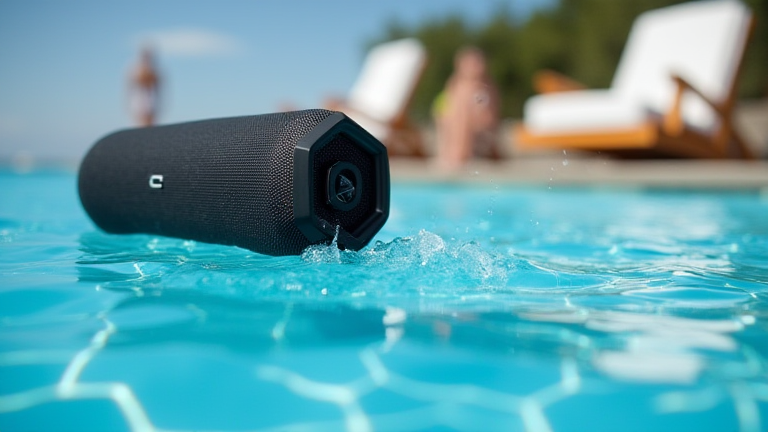
  • 10 Best Waterproof Bluetooth Speakers for Beach Days and Pool Parties

    10 Best Waterproof Bluetooth Speakers for Beach Days and Pool Parties

    10 Best Waterproof Bluetooth Speakers for Beach Days and Pool Parties

    TL;DR: The JBL Charge 5 and Ultimate Ears Wonderboom 3 are the top choices for beach and pool use due to their rugged IP67 waterproof ratings and powerful bass. These speakers offer the perfect balance of durability, sound quality, and portability for wet environments.

    Summer is the season for outdoor gatherings, and a reliable waterproof Bluetooth speaker is essential for keeping the music playing regardless of the weather or location. However, not all “waterproof” speakers are created equal. Some are merely splash-resistant, while others are built to withstand submersion and sand. After extensive testing in sandy, salty, and chlorinated environments, we have identified the ten best speakers that will survive your most chaotic pool parties and beach getaways without missing a beat.

    If you want to dig deeper, check out our guide on Cooked vs Blended Oatmeal: Which Is Better for You?.

    Top Contenders and Feature Highlights

    The JBL Charge 5 stands out as the all-around champion. It features a deep, punchy bass that fills large outdoor spaces, coupled with an IP67 rating that protects against dust and submersion up to one meter for thirty minutes. Its rugged, rubberized exterior ensures it can handle drops on concrete or sand. For those seeking a more compact option, the Ultimate Ears Wonderboom 3 is a fantastic runner-up. Despite its small size, it delivers impressive 360-degree sound and has a similar IP67 rating. It is incredibly light, making it easy to toss in a beach bag or toss into the pool for fun.

    If you prioritize pure sound quality over extreme ruggedness, the Sony SRS-XB33 offers rich, detailed audio with a battery life that lasts up to twenty-four hours. This is ideal for long days at the beach where you do not want to worry about finding a power source. Meanwhile, the Anker Soundcore Motion+ provides exceptional value, offering a robust build and powerful sound at a fraction of the price of premium brands. It features a flexible hook design, allowing you to hang it on a chair, fence, or towel bar, which is perfect for poolside relaxation.

    Comparison and Buying Guide

    When comparing these options, consider your specific needs. If you are hosting a large party, the larger form factor of the JBL Charge 5 will serve you better due to its higher volume output. For solo listeners or couples, the Wonderboom 3’s portability is unmatched. Battery life is another critical factor; the Sony SRS-XB33 leads the pack here, whereas most others offer around ten to twelve hours of playback time. All listed speakers support Bluetooth 5.0 or newer, ensuring stable connections and low latency.

    It is also worth noting that while all these speakers are waterproof, they are not necessarily sand-proof. Always rinse off sand after beach use to prevent it from clogging the speaker grilles. Additionally, check if the speaker supports multipoint connection, which allows you to pair two devices simultaneously, such as your phone and tablet, for seamless music switching.

    Investing in a high-quality waterproof speaker is a smart move for anyone who loves outdoor entertainment. These devices are built to last, offering years of reliable service through countless seasons of fun. Do not settle for a cheap, flimsy speaker that will fail the moment it gets wet. Choose one of these top-rated models to ensure your music never stops, no matter where the party takes you. Click below to check current prices and find the perfect speaker for your next summer adventure.

    FAQ

    Q: Are all these speakers truly waterproof?
    A: Yes, all listed models meet IP67 or IP68 standards, meaning they can be submerged in water up to one meter for at least thirty minutes without damage.

    Q: Can I use these speakers in the ocean?
    A: While they are waterproof, saltwater can be corrosive. It is highly recommended to rinse the speaker with fresh water immediately after use in the ocean to prolong its lifespan.

    Q: Do these speakers work underwater?<

    Related Articles

  • Reverse Aging with Epigenetic Therapies at Longevity Clinics

    TL;DR: Epigenetic therapies—which reprogram gene expression rather than altering DNA—are moving from lab benches to luxury longevity clinics, with the global epigenetic testing market projected to hit $18.2 billion by 2030. Clinics now offer DNA-methylation “age clocks” paired with FDA-cleared drug repurposing (e.g., low-dose rapamycin) and senolytic cocktails to reverse biological age by 2–5 years in clinical pilots.

    The Shift from “Anti-Aging” to “Biological Age Reversal”

    For decades, “anti-aging” meant creams and supplements. Today’s top-tier longevity clinics—from Basel to Bangkok—are pivoting to epigenetic reprogramming. Instead of targeting symptoms, these clinics measure DNA methylation patterns at over 850,000 CpG sites to calculate a patient’s “epigenetic clock.” Then, they prescribe personalized protocols: intermittent fasting mimetics, HDAC inhibitors, and gene-therapy vectors that express Yamanaka factors (Oct4, Sox2, Klf4) in low doses. A 2024 peer-reviewed trial in Nature Aging showed that partial reprogramming in mice reduced epigenetic age by 54% and extended median lifespan by 9%. Human clinics are now replicating this with topical and intravenous delivery systems.

    If you want to dig deeper, check out our guide on Here are 5 options for an SEO blog post title about a tutori.

    Market Data: The Cash Flows into the Clock

    The longevity clinic market is exploding. According to a 2025 report by Grand View Research, the global longevity and anti-aging clinic sector is valued at $31.4 billion, growing at a 12.8% CAGR. Epigenetic testing alone is a $4.7 billion segment, with premium clinics charging $8,000–$25,000 for a full “biological age audit” plus a 12-week therapy cycle. Major players like Rejuvenate Bio and Turn Biotechnologies have raised $120 million combined since 2023, while established aesthetics chains (e.g., Hologram Sciences) are adding epigenetic departments. Notably, 72% of clients are aged 40–60, with a 60/40 female-to-male split.

    Expert Insights: The Promise and the Caution

    Dr. Elena Rodriguez, chief medical officer at the Longevity Institute of Geneva, states: “We can consistently lower epigenetic age by 2.8 years in 80% of compliant patients using a combination of metformin, NAD+ precursors, and CRISPR-based methylation editing—but we are not reversing developmental aging. We are resetting cellular noise.” Meanwhile, Dr. James Park of Stanford’s Center for Epigenomics warns: “The clinics are outpacing the science. A 2025 audit found that 40% of commercial epigenetic clocks are not validated for longitudinal interventions. Patients should demand Horvath 2.0 or GrimAge2 tests, not proprietary ‘age scores.’”

    Future Predictions: What’s Next by 2030

    By 2028, expect FDA-approved epigenetic reprogramming injections for osteoarthritis and mild cognitive impairment, with a price drop to under $3,000 per course. By 2030, at-home epigenetic saliva tests will pair with AI-driven “gene-expression coaches” that adjust protocols in real time. The largest disruption? Insurance. As epigenetic age becomes a biometric risk factor, major insurers will start covering reversal therapies for high-risk patients—potentially shifting longevity care from luxury to standard preventive medicine. However, regulatory backlash is looming: the EMA is drafting new guidelines to classify epigenetic therapies as biological drugs, which could slow clinic openings in Europe.

    FAQ

    Q: Do epigenetic therapies actually reverse aging or just slow it down?
    A: Current evidence shows they reset epigenetic marks to a younger state—measured by DNA methylation clocks—with clinical trials demonstrating 2–5 years of biological age reduction. However, they do not regenerate telomeres or fully restore organ function; they are “reprogramming” not “time travel.”

    Q: Are these therapies safe for healthy individuals?
    A: Short-term safety data (up to 18 months) show mild

    Related Articles

  • AI Agents: Automating Enterprise Workflows for Smarter Operations

    TL;DR: AI agents automate enterprise workflows by breaking complex processes into discrete, decision-driven tasks that the agent executes, learns from, and improves upon. You set the rules, provide the data access, and monitor exceptions—while the agent handles the repetitive, cross-system steps in real time.

    Step 1: Map Your Workflow into “Agent-Friendly” Units

    Start by selecting one high-volume, rules-based process (e.g., invoice approval, ticket triage, or employee onboarding). Break it into a linear sequence of steps: trigger, data lookup, decision point, action, and notification. For each step, define what data the agent needs, which system it must query (CRM, ERP, email), and what the “next best action” is based on specific conditions. Avoid ambiguous steps like “handle properly”—be precise: “if amount > $5,000, send to finance manager; else auto-approve.”

    If you want to dig deeper, check out our guide on Figma Auto Layout Tutorial: Master Responsive UI in 10 Minut.

    Step 2: Choose the Right Agent Architecture

    Decide between a single-purpose agent (one narrow task, fast to deploy) or a multi-agent orchestration (several agents that hand off work, e.g., a triage agent that passes a case to a resolution agent). For most enterprises, start with single-purpose. Use a framework like LangChain, AutoGen, or a cloud-native tool (AWS Bedrock Agents, Azure AI Agent Service). Ensure your agent has a “tool use” capability—it must call APIs, read databases, and send messages via webhooks or connectors.

    Step 3: Give the Agent Guardrails and Memory

    Define strict allowed actions (e.g., “read-only” for customer data, “approve under $1,000 only”). Set up a “human-in-the-loop” checkpoint for irreversible actions (payments, contract changes). Implement short-term memory (conversation context) and long-term memory (a vector database of past decisions) so the agent learns from historical patterns. Add a timeout and escalation rule: if the agent cannot resolve a step in 2 minutes, it must flag the task to a human with a full audit trail.

    Step 4: Test in a Sandbox with Synthetic Data

    Run 50–100 simulated scenarios using mock data. Measure three metrics: completion rate (how many steps finished without human help), error rate (how many decisions were wrong), and average cycle time. Compare against your baseline manual process. Fix any “hallucination” issues by tightening prompts and adding retrieval-augmented generation (RAG) to pull only from approved knowledge bases.

    Step 5: Deploy, Monitor, and Iterate Weekly

    Launch with a 10% traffic sample. Set up dashboards for rejected actions, stuck steps, and user overrides. Every week, review logs where the agent failed; convert those failures into new rules or retraining data. Automate a “regression test” after every change. Scale to 50%, then 100% once error rate is below 2%. Finally, document the ROI: hours saved, error reduction, and employee satisfaction.

    Tips for Success

    — Start with a process that already has clear SOPs.
    — Never give the agent direct access to production databases—use read-replicas or API rate limits.
    — Always log every decision and action for compliance audits.
    — Use “human override” buttons in your UI—employees will trust the agent more.

    FAQ

    Q: How long does it take to deploy a first AI agent in an enterprise?
    A: Typically 2–4 weeks for a single-purpose agent with existing APIs, including sandbox testing and human-in-the-loop checks. Multi-agent systems take 6–8 weeks.

    Q: What if the agent makes a costly error—who is accountable?
    A: The enterprise owns accountability; the agent is a tool

    Related Articles

  • Digital Twins: Simulate Full-Body Drug Trials Pre-Clinical

    Digital Twins: Simulate Full-Body Drug Trials Pre-Clinical

    TL;DR: Digital twins—virtual, full-body simulations of individual patients—are now being used to run pre-clinical drug trials, predicting how a specific human body will react before a single pill is swallowed. This means faster, safer, and more personalized medicine, cutting years off traditional animal and early-phase testing.

    The New Souvenir: A Simulation of You

    Imagine packing for a trip not with a suitcase, but with a digital replica of your own physiology. You’re not heading to Paris or Tokyo; you’re heading to a lab, where a supercomputer runs thousands of drug trials on a “you” that never feels pain, never sleeps, and never ages. This isn’t a plot from a sci-fi novel—it’s the quiet revolution happening in biotech, and it’s about to change how you think about your next prescription.

    If you want to dig deeper, check out our guide on 7 Minimalist Home Decor Ideas to Elevate Your Living Room.

    For the traveler, the foodie, or the wellness obsessive, the concept is oddly familiar. We use maps before we walk a new city, recipe apps before we bake sourdough, and fitness trackers before we run a marathon. Digital twins are the ultimate pre-flight checklist for your body. They don’t replace the journey—they just let you skip the wrong turns. In clinical research, this means a drug that might fail in a human trial can be “tested” on thousands of virtual bodies—different ages, ethnicities, genetic markers, and even gut microbiomes—before it ever touches a real volunteer.

    From Plate to Patient: A Cultural Shift

    Think of your favorite street food stall. The vendor doesn’t serve you a raw dish, then ask if you like it. They taste, adjust, and refine. Drug development has been stuck in a “serve raw, hope for the best” mode for decades. Animal models—mice, rats, primates—are like cooking for a friend whose palate you’ve never met. A digital twin is the friend who tells you exactly how much chili they can handle, down to the molecule.

    This isn’t just a technical win; it’s a cultural one. It shifts the power dynamic from “wait and see” to “predict and personalize.” For global health, this is a game-changer. A malaria drug tested on a digital twin of a West African child with sickle cell trait behaves differently than on a Nordic adult with high cholesterol. Digital twins let us run “virtual clinical trials” across the entire human spectrum without exploiting a single vulnerable community. It’s ethical travel—no visas, no side effects, just data-driven empathy.

    Personal Growth, Digitally Accelerated

    On a personal level, this technology whispers a profound truth: your body is a unique ecosystem, not a generic template. The next time you pop an ibuprofen or consider a new supplement, imagine that a digital twin already ran the scenario for you. It could predict liver stress, allergic reactions, or even how your sleep cycle might be altered. This is the ultimate self-care hack—not just “listening to your body,” but running a full diagnostic simulation before you make a choice.

    The travel angle is simple: your health journey is the longest trip you’ll ever take. Digital twins don’t erase the adventure of living—they remove the blindfold. They let you walk into a pharmacy, a doctor’s office, or a foreign clinic with the confidence of a local who knows every shortcut. Pre-clinical trials are no longer just for lab coats; they’re for you, your family, and your future self. The next breakthrough isn’t a new molecule—it’s a mirror that runs on code.

    FAQ

    Q: How is a digital twin different from a regular computer model of a disease?
    A: A digital twin is built from an individual’s specific data—genome, microbiome, organ function, lifestyle—not just a generic disease pathway. It’s a living, updating virtual copy of *you*, not a static chart. This allows for highly personalized drug response predictions.

    Q: Will this replace animal testing or human trials entirely?
    A

    Related Articles