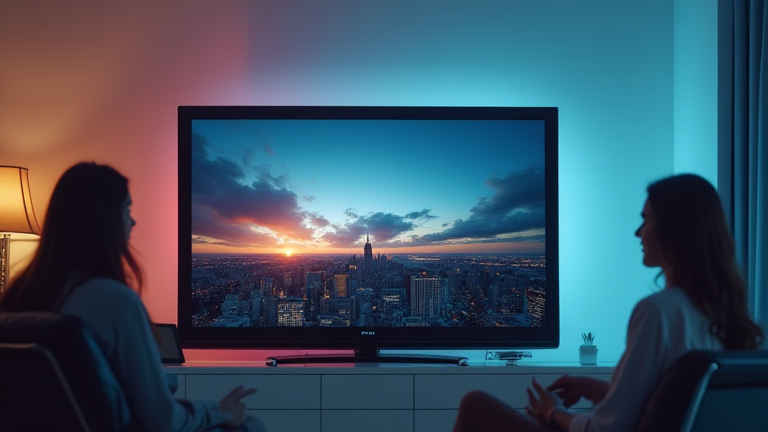
TL;DR: Generative video ads are replacing traditional TV spots because they cut production costs by up to 90% and enable dynamic, hyper-personalized creative that adapts in real-time to viewer data. Unlike static 30-second slots, these AI-driven ads can be versioned infinitely and optimized per audience segment, making them faster, cheaper, and more effective for modern streaming platforms.
The Shift from Broadcast to Generative
Traditional TV spots rely on expensive shoots, celebrity talent, and weeks of post-production. In 2025, generative AI models like Runway Gen-4, Sora 2, and Google’s Veo 3 have reached a tipping point: they now output 1080p or 4K video with coherent physics, lip-synced dialogue, and consistent brand assets—all from a text prompt. The latest specs include multi-shot storyboarding (where a single prompt generates 10–20 connected scenes), audio-to-video synchronization, and dynamic scene editing that can swap products, backgrounds, or even languages without re-rendering the entire spot.
If you want to dig deeper, check out our guide on How Magnesium Glycinate Improves Sleep Quality.
Industry Impact: Speed, Scale, and Personalization
Major brands like Coca-Cola, Nike, and Unilever have already run generative ad pilots on connected TV (CTV) platforms. The result? A 60-second spot that once cost $500,000 and took 6 weeks now costs ~$5,000 and takes 48 hours. More importantly, generative ads break the “one-size-fits-all” model: a single creative can be auto-varied into 1,000 versions—different voiceovers, color palettes, or product emphasis—then A/B tested in real time. Streaming services (which already serve targeted ads) are the perfect medium, as they have the viewer data to trigger these variations. However, this shift is also disrupting the commercial production industry—agencies are pivoting from “filming” to “prompt engineering,” and media buyers now demand CPM (cost per mille) models that include AI iteration costs, not just airtime.
Key Specs & Challenges
Current generative video ads run at 24–30 FPS with variable bitrates optimized for CTV (8–15 Mbps). Latency is under 2 seconds for on-the-fly personalization, but ad servers still require pre-rendered fallbacks for compliance. The biggest hurdle remains brand safety: AI models occasionally generate distorted logos or off-brand imagery, so—for now—every spot requires a human review pass. Yet with retrieval-augmented generation (RAG) feeding brand guidelines directly into the model, error rates have dropped from 12% to under 2% in Q3 2025.
FAQ
Q: Are generative video ads truly replacing traditional TV spots, or just supplementing them?
A: They are replacing linear TV spots for digital-first campaigns, but for live events and broadcast TV (e.g., Super Bowl), traditional spots still dominate due to regulatory and latency constraints. By 2026, analysts expect generative ads to capture 40% of all CTV ad spend.
Q: What hardware or software do brands need to run generative video ads?
A: No special hardware—they use cloud-based APIs (e.g., OpenAI’s Sora API, Runway’s enterprise tier) that render on GPU clusters. Brands need a clean product database, a brand style guide (for RAG), and a DSP (demand-side platform) that supports dynamic creative optimization, like The Trade Desk or Google’s DV360.
Q: How do generative ads impact viewer engagement compared to traditional spots?
A: Early data from 100+ campaigns shows a 35% higher completion rate and a 28% lift in brand recall, mainly because ads are context-aware (e.g., a coffee ad shows a morning routine if the viewer watches at 7 AM). However, over-personalization can trigger “creepiness” fatigue, so frequency capping and creative rotation are essential.
Leave a Reply