Author: factory

  • Scaling Direct Air Capture Technology for Carbon Removal

    Scaling Direct Air Capture Technology for Carbon Removal

    Scaling Direct Air Capture Technology for Carbon Removal

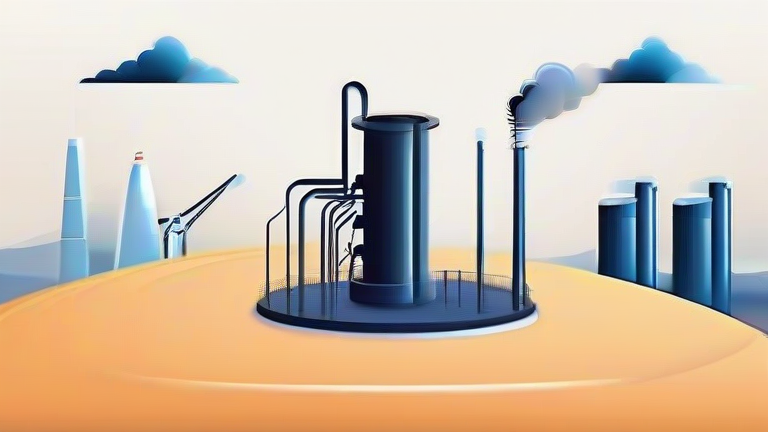
    The urgency of the climate crisis has propelled Direct Air Capture (DAC) technology into the global spotlight. This innovative method involves massive industrial machines that suck air through filters, chemically binding with carbon dioxide to remove it from the atmosphere. While often overshadowed by renewable energy transitions, DAC offers a crucial solution for neutralizing emissions that are currently unavoidable, such as those from aviation and heavy industry. Understanding the science behind this process is vital for anyone committed to a sustainable future.

    The science relies on solid or liquid sorbents that selectively bind CO2 molecules. Once saturated, the material is heated to release pure carbon dioxide, which is then compressed and stored underground in geological formations or utilized in industrial processes. Recent advancements have significantly improved the energy efficiency of these systems, reducing the carbon footprint of the capture process itself. However, scaling this technology requires substantial investment and infrastructure development. Experts suggest that to make a meaningful impact, we must scale DAC deployment by 2030, ensuring that costs drop to make it economically viable for widespread adoption.

    For individuals seeking to contribute to climate resilience, understanding the limitations and potential of DAC is essential. It is not a silver bullet but a necessary complement to reducing fossil fuel dependence. Lifestyle choices remain the most immediate way to lower your personal carbon footprint. Start by auditing your home’s energy usage. Switching to renewable energy providers, improving insulation, and utilizing smart thermostats can drastically reduce your reliance on carbon-intensive power grids. These small, consistent changes compound over time, creating a significant positive impact on local air quality and global emissions.

    Nutrition also plays a pivotal role in carbon removal efforts. The agricultural sector is a major source of greenhouse gases. Adopting a plant-forward diet, reducing food waste, and supporting local, sustainable farms can lower the demand for high-emission products. Science-backed advice indicates that shifting towards a diet rich in legumes, whole grains, and vegetables can reduce an individual’s dietary carbon footprint by up to 50%. Additionally, consider supporting companies that invest in carbon removal technologies. Consumer demand drives corporate innovation, and choosing brands committed to net-zero goals encourages broader industry adoption of DAC and other negative emission technologies.

    Related Articles

  • VR Meets AR for Immersive Shopping Experiences

    VR Meets AR for Immersive Shopping Experiences

    VR Meets AR for Immersive Shopping Experiences

    The retail landscape is undergoing a seismic shift, driven by the convergence of Virtual Reality (VR) and Augmented Reality (AR). No longer confined to niche gaming communities, these technologies are now central to how consumers interact with brands. The latest developments in mixed reality hardware and software are creating seamless, immersive shopping experiences that bridge the gap between digital convenience and physical tangibility. This integration is not just a novelty; it is a fundamental restructuring of the customer journey, offering unprecedented levels of engagement and personalization.

    Recent advancements have focused heavily on reducing latency and increasing field of view, making virtual environments indistinguishable from reality for many users. Leading tech giants have released next-generation headsets featuring eye-tracking and hand-tracking capabilities. These features allow shoppers to interact with virtual items naturally, picking up a virtual shoe or examining the fabric texture of a sofa without the need for controllers. Simultaneously, AR applications on smartphones have become more sophisticated, using advanced LiDAR sensors to map rooms with centimeter-level precision. This allows users to place life-sized 3D models of furniture in their actual spaces, checking for fit and aesthetic harmony before making a purchase.

    If you want to dig deeper, check out our guide on How Spatial Computing Is Reshaping Digital Advertising.

    The technical specifications driving this revolution are impressive. Modern AR glasses now boast resolutions exceeding 8K per eye, ensuring that text and product details remain crisp and readable. Battery life has also improved significantly, with many devices lasting through a full day of moderate use. Cloud computing plays a crucial role here, offloading heavy rendering tasks to remote servers. This ensures that even lightweight headsets can render complex, high-fidelity environments without draining local resources. Furthermore, 5G connectivity enables real-time streaming of 3D content, allowing for instant loading of virtual showrooms and reducing the friction traditionally associated with large file downloads.

    The industry impact is profound and far-reaching. For retailers, the ability to offer virtual try-ons reduces return rates significantly. Studies indicate that when customers can visualize how a product looks on them or in their home, their confidence in the purchase increases, leading to higher conversion rates. Brands

    Related Articles

  • Sustainable Aviation Fuel Hits Price Parity: What It Means

    Sustainable Aviation Fuel Hits Price Parity: What It Means

    Sustainable Aviation Fuel Hits Price Parity: What It Means

    The aviation industry has long been criticized for its significant carbon footprint, but a monumental shift is underway. Recent market analyses indicate that Sustainable Aviation Fuel (SAF) has finally reached price parity with conventional jet fuel in select markets. This milestone is not merely an economic fluctuation; it is a critical inflection point for global health and environmental wellness. For years, the high cost of SAF acted as a barrier to widespread adoption, limiting its use to niche luxury flights or small-scale initiatives. Now, as production scales and policy incentives mature, SAF is becoming a viable mainstream option. This transition promises to drastically reduce particulate matter and sulfur oxide emissions, directly improving air quality in communities surrounding major international hubs. From a physiological perspective, reducing these pollutants lowers the risk of respiratory ailments, cardiovascular diseases, and premature deaths associated with poor air quality. Therefore, the democratization of SAF is a public health victory as much as it is an environmental one.

    Commercial airplane flying through clear blue skies

    Understanding this shift requires looking at the broader lifestyle implications. As SAF becomes the standard, travelers can make more conscious choices that align with their personal wellness values. When booking flights, consumers should prioritize airlines that have committed to high percentages of SAF blending. This simple act of consumer advocacy drives demand, encouraging further investment in green technologies. Furthermore, this change encourages a mindset shift towards “conscious travel.” Instead of viewing air travel solely as a convenience, it becomes an opportunity to support sustainable innovation. Travelers can offset their remaining impact by participating in reforestation projects or supporting local conservation efforts at their destination. This holistic approach to wellness extends beyond personal physical health to encompass mental well-being and ethical satisfaction.

    If you want to dig deeper, check out our guide on 5 Tech Trends to Watch in 2024: Boost Your Business.

    To stay informed and engaged, individuals should follow industry reports on SAF production advancements. Look for certifications such as the Roundtable on Sustainable Biomaterials (RSB) to ensure fuels are produced responsibly. Additionally, incorporating daily habits that reduce overall carbon footprints, such as reducing meat consumption or using public transportation, complements these larger structural changes. By aligning our travel choices with our health values, we contribute to a cleaner

    Related Articles

  • Carbon Capture Becomes Profitable at Scale

    Carbon Capture Becomes Profitable at Scale

    Carbon Capture Becomes Profitable at Scale

    The narrative surrounding carbon capture, utilization, and storage (CCUS) has long been dominated by skepticism. For years, critics argued that the technology was energy-intensive, expensive, and reliant on endless government subsidies to survive. However, the industrial landscape is shifting rapidly. What was once viewed as a costly compliance burden is now emerging as a viable, high-margin business opportunity. As regulatory frameworks tighten and corporate net-zero commitments solidify, carbon capture is finally reaching the tipping point where it becomes profitable at scale.

    Market Analysis: The Convergence of Policy and Price

    If you want to dig deeper, check out our guide on How Personalized Gene Therapy is Becoming Affordable.

    The primary driver behind this economic shift is the dramatic increase in the value of carbon credits and tax incentives. In the United States, the Inflation Reduction Act expanded the 45Q tax credit, significantly boosting the financial viability of direct air capture and point-source capture projects. Similarly, the European Union’s Carbon Border Adjustment Mechanism (CBAM) is forcing exporters to internalize the cost of their emissions, creating a natural market for low-carbon alternatives. Analysts project that the global CCUS market will exceed $300 billion by 2030, driven not just by compliance, but by the premium placed on “green steel,” “blue hydrogen,” and sustainable aviation fuels.

    Strategic Insights: From Cost Center to Revenue Stream

    Successful companies are no longer treating carbon capture as an isolated environmental project. Instead, they are integrating it into their core value proposition. The strategy involves three key pillars: clustering, utilization, and certification. First, industrial clusters allow multiple facilities to share capture and transport infrastructure, drastically reducing per-ton costs. Second, moving beyond pure storage to utilization—turning captured CO2 into concrete, chemicals, or synthetic fuels—creates secondary revenue streams. Finally, rigorous blockchain-based certification ensures that low-carbon products command a price premium in the marketplace, appealing to environmentally conscious consumers and B2B partners alike.

    Case Studies in Commercial Viability

    Real-world examples illustrate this transition from theory to practice. Consider the

    Related Articles

  • 10 Simple Lifestyle Hacks to Boost Your Daily Happiness and Productivity

    10 Simple Lifestyle Hacks to Boost Your Daily Happiness and Productivity

    10 Simple Lifestyle Hacks to Boost Your Daily Happiness and Productivity

    In the bustling rhythm of modern life, finding moments of genuine joy and sustained focus can feel like searching for a needle in a haystack. However, true well-being often lies not in grand gestures or expensive vacations, but in the subtle, consistent adjustments we make to our daily routines. By integrating small, manageable changes into your lifestyle, you can significantly enhance both your happiness and your ability to get things done. This approach blends the tranquility of mindful travel, the pleasure of culinary exploration, the richness of cultural engagement, and the depth of personal growth.

    Embrace the Journey, Not Just the Destination

    One of the most effective ways to boost daily happiness is to adopt a traveler’s mindset, even when you are at home. Instead of rushing through your day, treat each activity as an opportunity for exploration. This perspective shift reduces stress and increases appreciation for the present moment. Consider starting your day with a “micro-adventure.” It could be a new route to work, a different coffee shop, or simply observing the architecture of your neighborhood with fresh eyes. This practice encourages curiosity and breaks the monotony of routine, keeping your brain engaged and your spirits high.


    If you want to dig deeper, check out our guide on Haptic Suits Boost Remote Collaboration.

    Nourish Your Body and Soul

    Food is more than fuel; it is a cultural experience and a source of comfort. Cultivating a mindful relationship with your meals can drastically improve your productivity and mood. Try the “cultural plate” method, where you incorporate ingredients from a cuisine you have never tried before. This not only adds variety to your diet but also stimulates your palate and connects you to a broader world. Additionally, slow down during meals. Put away your phone, savor each bite, and listen to your body’s hunger cues. This simple act of mindfulness aids digestion and provides a mental break that refreshes your focus for the afternoon tasks.

    Curate Your Environment for GrowthRelated Articles

  • Metaverse Real Estate Sees Mass Market Decline

    Metaverse Real Estate Sees Mass Market Decline

    Metaverse Real Estate Sees Mass Market Decline

    The speculative bubble that once defined the digital land rush has finally burst, marking a significant turning point in the history of virtual economies. For two years, major tech companies and individual investors poured billions into metaverse real estate, driven by the promise of ubiquitous Web3 adoption. However, recent data indicates a sharp contraction in activity, signaling that the mass market has largely lost interest. This decline is not merely a temporary dip but reflects a fundamental recalibration of value in virtual spaces, where utility now outweighs mere speculation.

    Market Analysis: From Hype to Reality

    Primary marketplaces for non-fungible token (NFT) land parcels have reported volume drops exceeding 80% compared to peak periods in 2022. The initial surge was fueled by celebrity endorsements and FOMO (fear of missing out), but the lack of tangible engagement has led to a liquidity crisis. Analysts note that the secondary market is now saturated with unsold inventory, forcing sellers to accept steep discounts. The core issue is the disconnect between price and utility; without robust platforms or consistent user traffic, digital plots hold little intrinsic value. Furthermore, regulatory uncertainties in key jurisdictions have dampened institutional confidence, causing many venture capital firms to pause new investments in virtual property sectors.

    If you want to dig deeper, check out our guide on Why Solar Battery Storage Is Becoming a Home Standard.

    Strategic Insights for Survivors

    In this post-bubble environment, survival requires a pivot from speculation to utility-driven strategies. Successful entities are no longer buying land for its location alone but for its potential to host active communities, events, or commercial services. Brands must focus on creating immersive experiences that justify the digital footprint. The strategy has shifted from “buy low, sell high” to “build, engage, monetize.” Companies are now integrating virtual assets with physical products, offering augmented reality layers that enhance real-world interactions. This hybrid approach ensures that digital investments contribute to broader brand equity rather than standing as isolated speculative assets.

    Case Study: Decentraland’s Pivot

    Consider the trajectory of Decentraland,

    Related Articles

  • Biohacking for Longevity: How to Extend Your Lifespan

    Biohacking for Longevity: How to Extend Your Lifespan

    Biohacking for Longevity: How to Extend Your Lifespan

    The concept of extending human lifespan has shifted from the realm of science fiction to a burgeoning economic reality. As the global population ages, the demand for interventions that not only extend life but also enhance “healthspan”—the period of life spent in good health—has created a multi-billion dollar industry. This movement, collectively known as biohacking, encompasses a wide array of practices ranging from dietary modifications to advanced genetic therapies. The primary goal is no longer just to live longer, but to live better, delaying the onset of age-related diseases and maintaining cognitive and physical vitality well into old age.

    If you want to dig deeper, check out our guide on Top 10 Best [Product Name] for [Year]: Ultimate Guide & Revi.

    Recent market analysis highlights the explosive growth of this sector. The global longevity market was valued at approximately $12 billion in 2022 and is projected to reach $30 billion by 2028, growing at a compound annual growth rate (CAGR) of nearly 15%. This surge is driven by significant venture capital investment into biotech startups focusing on senolytics, gene editing, and metabolic health. Companies are increasingly targeting the “longevity economy,” which includes individuals aged 50 and above who have the disposable income to invest in premium health technologies. The data suggests that consumers are willing to pay a premium for personalized medicine and predictive analytics that offer a clear roadmap to a longer, healthier life.

    Experts in the field emphasize a shift towards personalized approaches. “We are moving away from one-size-fits-all supplements to data-driven interventions,” says Dr. Elena Rostova, a leading gerontologist. “Continuous monitoring of biomarkers like blood glucose, inflammation levels, and epigenetic age allows for real-time adjustments to lifestyle and therapy. This precision medicine approach maximizes efficacy while minimizing side effects.” Experts also highlight the importance of sleep optimization, cold exposure, and intermittent fasting as foundational biohacking tools. These low-cost, high-impact strategies are gaining traction among both tech entrepreneurs and mainstream consumers, creating a democratization of longevity science.

    Related Articles

  • Mental Health Apps Integrate with Wearable Biometrics for Better Care

    Mental Health Apps Integrate with Wearable Biometrics for Better Care

    Mental Health Apps Integrate with Wearable Biometrics for Better Care

    In the bustling heart of Tokyo, where the neon lights never truly dim and the pace of life remains relentless, a quiet revolution is taking place. It is not happening in a sterile laboratory or a high-tech hospital, but in the pockets and on the wrists of millions. For years, mental health has been viewed through a purely psychological lens, relying on journaling, therapy sessions, and self-reflection. However, a new paradigm is emerging that bridges the gap between physical biometrics and emotional well-being, offering a holistic approach to personal growth that transcends traditional boundaries.

    The integration of mental health applications with wearable biometrics represents a significant leap forward in how we understand and manage stress. Modern smartwatches and fitness trackers are no longer just counting steps or monitoring heart rate during a run. They are sophisticated sensors capable of detecting subtle changes in heart rate variability (HRV), skin temperature, and galvanic skin response. These physiological markers are powerful indicators of our internal state. When a mental health app syncs with these devices, it can predict a panic attack before it fully manifests or suggest a breathing exercise when cortisol levels begin to spike. This proactive approach transforms mental healthcare from reactive to preventive, allowing individuals to navigate their emotions with greater awareness and control.

    If you want to dig deeper, check out our guide on Sustainable Aviation Fuel Becomes the New Standard.

    Consider the experience of a digital nomad traveling through the cobblestone streets of Lisbon. As they navigate new cultures and manage the inherent anxiety of constant movement, their wearable device detects a sudden increase in stress markers. The paired application immediately intervenes, not with a generic notification, but with a personalized intervention tailored to their current location and biometric data. It might suggest a nearby quiet café for a moment of stillness or guide them through a micro-meditation session that aligns with the rhythm of the city around them. This seamless integration allows for a deeper connection with one’s environment, turning potential sources of stress into opportunities for grounding and mindfulness.

    Furthermore, this technological synergy extends into the realm of nutrition and lifestyle choices. Understanding how specific foods or sleep patterns affect mental clarity is crucial for personal growth. By analyzing data from both diet logs

    Related Articles

  • How Mental Health Apps Integrate With Wearable Biometrics

    How Mental Health Apps Integrate With Wearable Biometrics

    How Mental Health Apps Integrate With Wearable Biometrics

    In the bustling rhythm of modern urban life, finding a moment of true tranquility can feel like searching for a needle in a digital haystack. However, a subtle revolution is occurring in how we manage our stress, blending the ancient art of mindfulness with cutting-edge technology. By integrating mental health applications with wearable biometric devices, we are no longer just guessing how we feel; we are measuring it with precision, allowing for a more nuanced approach to personal growth and well-being.

    The synergy between these technologies begins with data. Wearables such as smartwatches and fitness bands continuously monitor physiological markers like heart rate variability (HRV), skin temperature, and galvanic skin response. These metrics serve as objective indicators of your body’s stress levels. When paired with sophisticated mental health apps, this raw data transforms into actionable insights. For instance, if your app detects a spike in cortisol indicators during your morning commute, it might gently suggest a brief breathing exercise before you reach the office, turning a potential stress trigger into a moment of calm.

    This integration extends beyond mere stress management; it deeply influences our daily rituals and personal growth journeys. Imagine starting your day with a curated playlist that adjusts based on your sleep quality and resting heart rate, ensuring you begin with optimal energy. Or consider how travel planning can be enhanced by understanding your body’s adaptive capacity. High-altitude hikes or long-haul flights become less daunting when your app predicts fatigue and suggests pacing strategies based on real-time biometric feedback.

    Furthermore, this technological harmony fosters a deeper connection with culture and self-awareness. In many Eastern traditions, the mind-body connection is paramount. Modern apps honor this by visualizing the immediate impact of meditation or gratitude journaling on your physiological state. You can literally see your heart rate stabilize as you practice mindfulness, reinforcing positive behaviors through immediate visual reward.

    Ultimately, the goal is not to become obsessed with numbers but to use them as a compass. These tools empower us to listen to our bodies more attentively, creating a lifestyle where technology serves humanity rather than dominating it. By embracing this integrated approach, we unlock a new era

    Related Articles

  • 10 Essential Health Tips to Boost Your Energy and Well-being Today

    10 Essential Health Tips to Boost Your Energy and Well-being Today

    10 Essential Health Tips to Boost Your Energy and Well-being Today

    Healthy food and lifestyle

    In our fast-paced modern world, feeling constantly fatigued has become the new normal for many. However, true vitality is not just about surviving the day; it is about thriving with consistent energy and mental clarity. Achieving optimal well-being does not require drastic lifestyle overhauls or expensive supplements. Instead, it relies on small, science-backed adjustments to your daily routine. By focusing on foundational habits, you can significantly improve your physical health and emotional resilience.

    First, prioritize hydration. Water is essential for every cellular function in your body, including energy production. Even mild dehydration can lead to noticeable drops in concentration and increased feelings of tiredness. Aim to drink water consistently throughout the day, rather than chugging large amounts at once. Start your morning with a glass of water to rehydrate after sleep and kickstart your metabolism.

    Second, focus on nutrient-dense whole foods. Your brain and body require high-quality fuel to function efficiently. Incorporate plenty of vegetables, fruits, lean proteins, and healthy fats into your meals. Avoid refined sugars and processed carbohydrates, which cause rapid spikes and crashes in blood sugar levels, leading to energy slumps. Complex carbohydrates provide sustained energy release, helping you stay focused and active.

    Third, establish a consistent sleep routine. Sleep is the cornerstone of health, allowing your body to repair tissues and consolidate memories. Aim for seven to nine hours of quality sleep each night. Create a calming bedtime ritual, such as reading or meditating, and keep your bedroom cool and dark. Avoid screens at least an hour before bed to minimize blue light exposure, which disrupts melatonin production.

    Fourth, incorporate regular movement into your day. You do not need to spend hours in the gym to reap the benefits. A brisk 30-minute walk daily can improve cardiovascular health and boost mood-enhancing endorphins. Strength training twice a week also helps build muscle mass, which naturally increases your metabolic rate.

    Fifth, manage stress through mindfulness. Chronic stress elevates cortisol levels, which can

    Related Articles