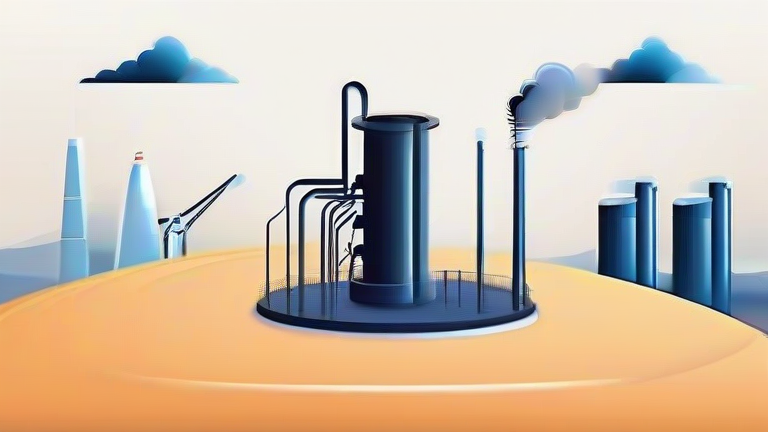
Carbon Capture Becomes Profitable at Scale
The narrative surrounding carbon capture, utilization, and storage (CCUS) has long been dominated by skepticism. For years, critics argued that the technology was energy-intensive, expensive, and reliant on endless government subsidies to survive. However, the industrial landscape is shifting rapidly. What was once viewed as a costly compliance burden is now emerging as a viable, high-margin business opportunity. As regulatory frameworks tighten and corporate net-zero commitments solidify, carbon capture is finally reaching the tipping point where it becomes profitable at scale.

Market Analysis: The Convergence of Policy and Price
If you want to dig deeper, check out our guide on How Personalized Gene Therapy is Becoming Affordable.
The primary driver behind this economic shift is the dramatic increase in the value of carbon credits and tax incentives. In the United States, the Inflation Reduction Act expanded the 45Q tax credit, significantly boosting the financial viability of direct air capture and point-source capture projects. Similarly, the European Union’s Carbon Border Adjustment Mechanism (CBAM) is forcing exporters to internalize the cost of their emissions, creating a natural market for low-carbon alternatives. Analysts project that the global CCUS market will exceed $300 billion by 2030, driven not just by compliance, but by the premium placed on “green steel,” “blue hydrogen,” and sustainable aviation fuels.
Strategic Insights: From Cost Center to Revenue Stream
Successful companies are no longer treating carbon capture as an isolated environmental project. Instead, they are integrating it into their core value proposition. The strategy involves three key pillars: clustering, utilization, and certification. First, industrial clusters allow multiple facilities to share capture and transport infrastructure, drastically reducing per-ton costs. Second, moving beyond pure storage to utilization—turning captured CO2 into concrete, chemicals, or synthetic fuels—creates secondary revenue streams. Finally, rigorous blockchain-based certification ensures that low-carbon products command a price premium in the marketplace, appealing to environmentally conscious consumers and B2B partners alike.
Case Studies in Commercial Viability
Real-world examples illustrate this transition from theory to practice. Consider the
Leave a Reply