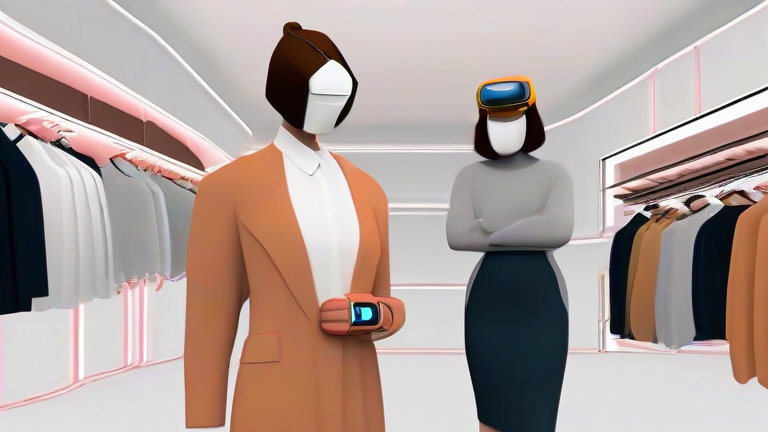
VR Meets AR for Immersive Shopping Experiences
The retail landscape is undergoing a seismic shift, driven by the convergence of Virtual Reality (VR) and Augmented Reality (AR). No longer confined to niche gaming communities, these technologies are now central to how consumers interact with brands. The latest developments in mixed reality hardware and software are creating seamless, immersive shopping experiences that bridge the gap between digital convenience and physical tangibility. This integration is not just a novelty; it is a fundamental restructuring of the customer journey, offering unprecedented levels of engagement and personalization.

Recent advancements have focused heavily on reducing latency and increasing field of view, making virtual environments indistinguishable from reality for many users. Leading tech giants have released next-generation headsets featuring eye-tracking and hand-tracking capabilities. These features allow shoppers to interact with virtual items naturally, picking up a virtual shoe or examining the fabric texture of a sofa without the need for controllers. Simultaneously, AR applications on smartphones have become more sophisticated, using advanced LiDAR sensors to map rooms with centimeter-level precision. This allows users to place life-sized 3D models of furniture in their actual spaces, checking for fit and aesthetic harmony before making a purchase.
If you want to dig deeper, check out our guide on How Spatial Computing Is Reshaping Digital Advertising.
The technical specifications driving this revolution are impressive. Modern AR glasses now boast resolutions exceeding 8K per eye, ensuring that text and product details remain crisp and readable. Battery life has also improved significantly, with many devices lasting through a full day of moderate use. Cloud computing plays a crucial role here, offloading heavy rendering tasks to remote servers. This ensures that even lightweight headsets can render complex, high-fidelity environments without draining local resources. Furthermore, 5G connectivity enables real-time streaming of 3D content, allowing for instant loading of virtual showrooms and reducing the friction traditionally associated with large file downloads.
The industry impact is profound and far-reaching. For retailers, the ability to offer virtual try-ons reduces return rates significantly. Studies indicate that when customers can visualize how a product looks on them or in their home, their confidence in the purchase increases, leading to higher conversion rates. Brands
Leave a Reply