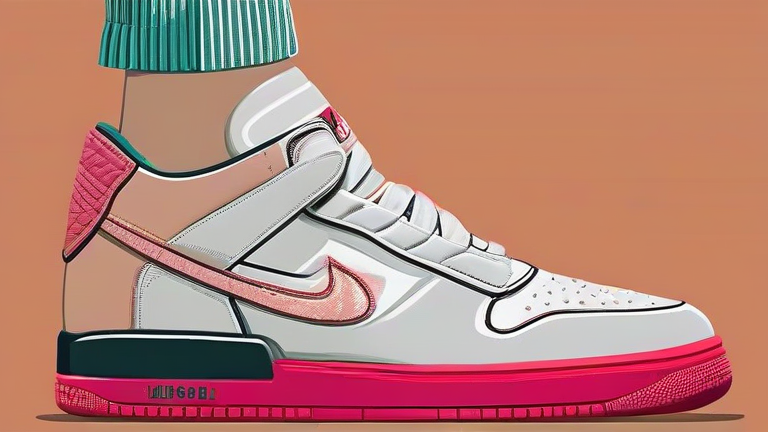
Why Matching the Trend in Sneaker Resale Is Booming
TL;DR: The sneaker resale market is booming because limited-edition releases create artificial scarcity that drives high demand. Concurrently, the rise of digital authentication platforms has restored consumer confidence, making high-ticket transactions safer and more transparent.
The sneaker resale industry has evolved from a niche subculture into a multi-billion dollar global phenomenon. This surge is not merely a fad but a structural shift in how consumers view footwear. No longer just functional items, sneakers have become tangible assets and cultural artifacts. The primary driver of this growth is the strategic release model adopted by major brands like Nike, Jordan, and Adidas. By limiting supply through exclusive drops, these companies create a “hype cycle” that far exceeds initial inventory. This scarcity ensures that secondary market prices often soar significantly above retail value, attracting both casual collectors and serious investors. The result is a thriving ecosystem where rare pairs can appreciate in value by hundreds or even thousands of percent within months.
If you want to dig deeper, check out our guide on New RD Mod Series: Understanding the Basics.
However, scarcity alone does not explain the entire boom. The recent integration of robust authentication services has played a pivotal role in legitimizing the market. In the past, the prevalence of counterfeit goods deterred many potential buyers from participating in high-value transactions. Today, platforms like StockX, GOAT, and Whatnot employ advanced AI and human expert verification to guarantee authenticity. This trust infrastructure has lowered the barrier to entry for new buyers. According to recent market reports, the global sneaker resale market is projected to reach $25 billion by 2026, growing at a compound annual growth rate of over 10%. Industry analysts note that this growth is sustained by a younger demographic, particularly Gen Z, who view sneaker collecting as both a hobby and a financial vehicle. They are more likely to engage with resale platforms due to digital-native habits and a strong community-driven culture on social media.
Looking ahead, experts predict that the integration of blockchain technology will further streamline the resale process. Digital twins and non-fungible tokens (NFTs) are being explored to link physical sneakers to digital records, reducing fraud and simplifying provenance tracking. Additionally, the expansion into emerging markets in Asia and Europe will likely drive further growth. Brands are also beginning to embrace the resale economy by launching official trade-in programs, creating circular supply chains that benefit both consumers and the environment. As sustainability becomes a key purchasing criterion, the longevity and resale value of high-quality sneakers will only become more attractive. The future of sneaker resale is not just about buying and selling; it is about creating a verified, global community where footwear is recognized as a legitimate form of cultural capital and financial asset. The trend is clearly here to stay, with no signs of slowing down in the near future.
FAQ
Q: Is sneaker resale a profitable investment?
A: While some rare models appreciate significantly, the market is volatile. Not all sneakers gain value, and buying at peak hype can lead to losses. Diversification and research are essential for profit.
Q: How do platforms prevent counterfeit sales?
A: Major resale platforms use multi-step authentication processes. These include visual inspections by experts, serial number checks, and increasingly, AI-driven image analysis to detect anomalies before items are shipped to buyers.
Q: What factors determine a sneaker’s resale value?
A: Key factors include scarcity, brand reputation, condition, colorway popularity, and cultural relevance. Limited edition releases and collaborations with high-profile artists or athletes typically command the highest premiums.
Leave a Reply