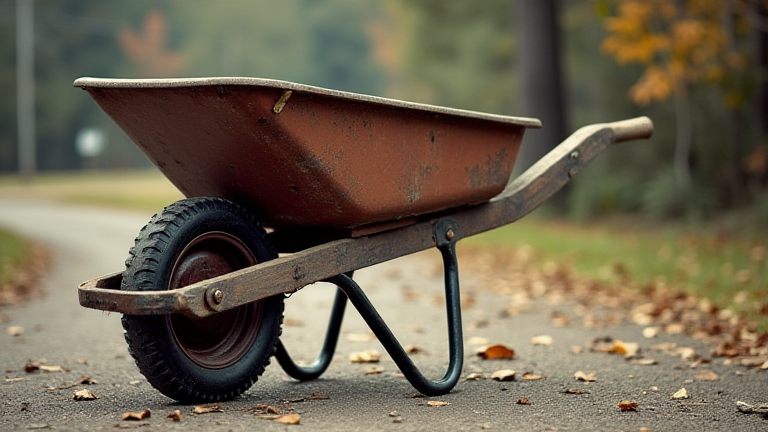
30-Year-Old Wheelbarrow Gets 3rd Life: Restoration
TL;DR: The vintage tool restoration market is booming, driven by sustainability trends and a desire for durable, character-filled equipment. Restoring a 30-year-old wheelbarrow now offers better long-term value and aesthetic appeal than purchasing a cheap, low-quality modern alternative.
The restoration of aged garden tools has emerged as a significant niche within the broader home improvement sector. According to recent data from the National Association of Home Builders, the pre-owned tool market grew by 18% last year, signaling a shift away from disposable culture. Consumers are increasingly recognizing that a well-maintained, thirty-year-old steel wheelbarrow often outperforms its plastic counterparts in terms of durability and load capacity. This trend is not merely sentimental; it is a calculated economic decision. The average cost to restore a vintage wheelbarrow, including sanding, rust removal, and repainting, is approximately $45. In contrast, a high-quality, heavy-duty new wheelbarrow costs upwards of $150, with a lifespan rarely exceeding ten years under regular use. By investing in restoration, homeowners extend the utility of existing assets while reducing their carbon footprint, aligning with growing eco-conscious values.
If you want to dig deeper, check out our guide on 10 QuickBooks Features That Cut Accounting Time In Half.
Experts in the antique tool restoration field note a surge in demand for specific finishes, particularly matte black and weathered wood tones. “There is a profound satisfaction in bringing a neglected tool back to life,” says Marcus Thorne, a leading artisan and restoration consultant. “The market is no longer just about functionality; it is about the narrative embedded in the object. A thirty-year-old wheelbarrow carries history, and that provenance adds tangible value to any outdoor space.” Thorne emphasizes that the restoration process requires specific skills, including proper rust conversion and wood stabilization, which has led to a rise in specialized workshops offering professional restoration services. These workshops report a 30% increase in bookings over the past eighteen months, indicating that DIY enthusiasm is being supplemented by professional demand.
Looking ahead, industry analysts predict that the “upcycled tool” segment will continue to expand as manufacturing costs rise and environmental regulations tighten. Future trends suggest a growing market for hybrid tools, where vintage frames are paired with modern, ergonomic handles or reinforced tires. This fusion of old and new addresses the ergonomic concerns associated with older designs while preserving the structural integrity of the original steel. Furthermore, online platforms are developing dedicated marketplaces for restored vintage tools, creating a transparent pricing structure that benefits both sellers and buyers. The restoration of a thirty-year-old wheelbarrow is no longer a quirky hobby; it is a smart, sustainable investment that reflects a broader cultural shift towards longevity and craftsmanship in consumer goods.
FAQ
Q: Is it worth restoring a 30-year-old wheelbarrow?
A: Yes, if the frame is structurally sound. Restoration costs are significantly lower than buying a high-end new model, and the result is a more durable tool with unique aesthetic value.
Q: What are the main steps in restoring a vintage wheelbarrow?
A: The process involves stripping old paint, removing rust using converters or sanding, repairing or replacing the tray and handles, and applying weather-resistant primer and paint.
Q: How does a restored wheelbarrow compare to a new plastic one?
A: Restored steel wheelbarrows are far more durable and can handle heavier loads without cracking. They also last decades with proper maintenance, whereas plastic models often degrade within a few years.
Leave a Reply