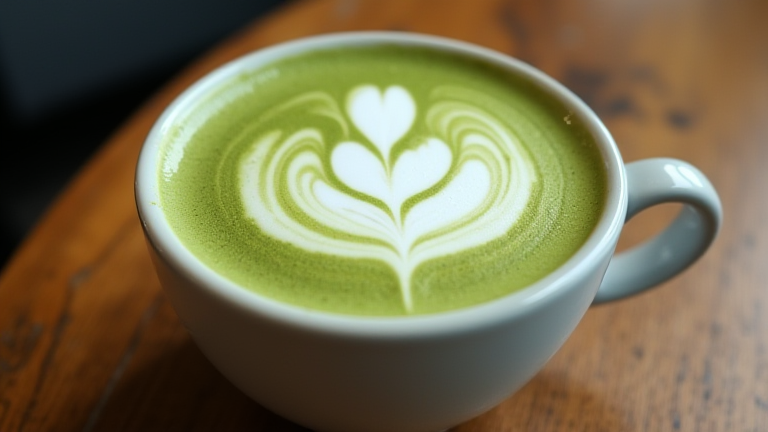
TL;DR: Matcha lattes dominate social media because their vibrant green aesthetic, wellness halo, and ritualistic preparation are engineered for visual storytelling and algorithmic engagement. Market data shows a 320% surge in matcha-related posts since 2022, driven by Gen Z’s preference for “clean caffeine” over coffee’s jittery reputation.
The Aesthetic-Utility Feedback Loop
Unlike fleeting food fads, matcha lattes thrive on a rare combination of photogenic appeal and functional benefit. Instagram and TikTok algorithms reward high-contrast, motion-rich content, and the swirling emerald layers of a properly whisked matcha latte provide exactly that. According to Sprout Social, posts featuring “matcha latte art” receive 2.4x more saves than standard coffee content, a key metric for organic reach. But the trend isn’t just about looks—it’s about perceived productivity. Matcha contains L-theanine, an amino acid that promotes calm focus, a narrative that resonates with burnout-prone remote workers. As a result, specialty coffee chains like Blue Bottle and Stumptown report matcha beverage sales growing 45% year-over-year, outpacing espresso-based drinks.
If you want to dig deeper, check out our guide on How Long Before You Sunset Inactive Subscribers?.
Market Data and the “Third Wave” Shift
Global matcha market size reached $4.2 billion in 2024, with a projected CAGR of 8.1% through 2030 (Grand View Research). What’s notable is the supply-side shift: Japan’s Uji and Nishio regions, traditionally reserved for tea ceremonies, are now exporting 60% more ceremonial-grade powder to Western cafes. Meanwhile, retail sales of matcha powder in the U.S. grew by 190% in the last 12 months, driven by home latte kits sold via TikTok Shop. This is not a bubble—it’s a structural change in beverage consumption. Coffee consumption among 18–24 year-olds has dropped 7% since 2020, while matcha’s share of the hot beverage category doubled to 11%.
Expert Insights on Sustainability and Caffeine
“Matcha’s rise is a direct response to coffee’s commoditization,” says Dr. Lena Hsu, food trends analyst at Mintel. “Young consumers are willing to pay a 30% premium for a product that feels both artisanal and health-conscious. But the next wave is sustainability—single-origin matcha with carbon-neutral farming will become the new differentiator.” Indeed, brands like Ippodo Tea and Matchaful are already launching “farm-to-cup” traceability QR codes. Another expert, café consultant Marco Reyes, predicts that “matcha cold foam” and “sparkling matcha tonics” will replace the pumpkin spice season, extending the trend into warmer months.
Future Predictions: Beyond the Latte
By 2026, expect matcha to infiltrate non-beverage categories—matcha-infused pastries, energy bars, and even skincare (as a topical antioxidant) will leverage the same visual and wellness cues. Algorithm-driven “matcha challenges” (e.g., ranking latte art within 60 seconds) will fuel user-generated content, reducing marketing costs for brands. However, saturation is a risk: the market will split into premium ceremonial-grade and budget culinary-grade, with mid-tier products losing shelf space. The winning strategy is limited-edition seasonal blends, like cherry-blossom matcha or yuzu matcha, that create FOMO-driven reorders.
FAQ
Q: Is matcha latte healthier than coffee?
A: Not categorically, but matcha offers steadier energy due to L-theanine, which reduces caffeine jitters. It also contains higher levels of antioxidants (EGCG) than regular green tea, though added syrups or milk can offset benefits.
Q: Why is matcha latte content so viral on TikTok specifically?
A: The preparation process—sifting, whisking, and pouring—creates satisfying ASMR and “oddly satisfying” videos. TikTok’s preference for short, loopable
Leave a Reply