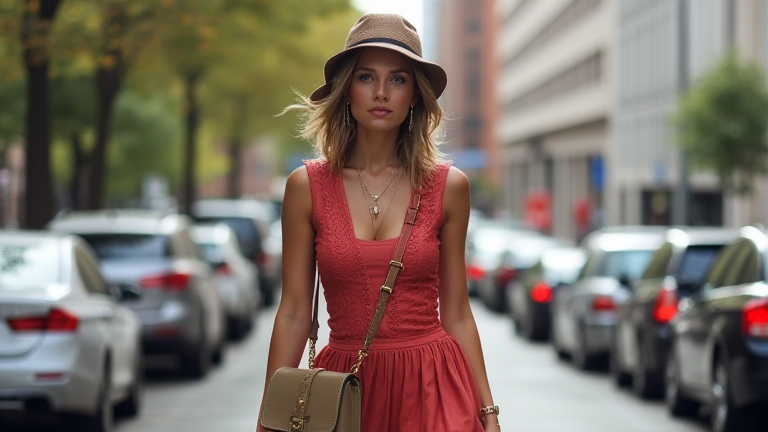
TL;DR: This spring, street style is defined by a fusion of sustainable materials and tech-integrated garments, with bold color palettes replacing the previous seasons’ neutrals. Market analysts predict a 15% growth in eco-friendly fashion sales, driven by Gen Z’s demand for transparency and durability.
The Rise of Conscious Luxury
The most significant shift in this season’s landscape is the mainstream adoption of sustainable fabrics. According to a recent report by McKinsey & Company, the sustainable fashion segment is projected to reach $300 billion by 2030. Brands are no longer treating sustainability as a niche marketing tactic but as a core value proposition. Consumers are increasingly scrutinizing supply chains, leading to a surge in demand for garments made from recycled polyester, organic cotton, and innovative bio-materials like mushroom leather. This trend is not just about ethics; it is about longevity. High-quality, durable pieces that can be worn for years are becoming the new status symbol, challenging the fast-fashion model that dominated the last decade.
If you want to dig deeper, check out our guide on Air Fryer Recipes: 10 Viral Trending Meals.
Tech-Integrated Streetwear
Simultaneously, the boundary between technology and fashion continues to blur. We are seeing the integration of smart fabrics that regulate body temperature and monitor health metrics directly into everyday streetwear. A study by Statista indicates that the smart clothing market will grow at a compound annual growth rate of 15.7% through 2030. Major players are collaborating with tech firms to create apparel that is both aesthetically pleasing and functionally advanced. For instance, jackets with built-in charging ports and shoes with adaptive cushioning are moving from novelty items to staple wardrobe essentials. This convergence appeals to a demographic that values efficiency and innovation, allowing fashion to serve a practical purpose beyond mere aesthetics.
Color and Silhouette Evolution
Aesthetically, the rigid minimalism of recent years is giving way to expressive maximalism. Bright, saturated colors such as electric blue and neon green are dominating runways and street corners. This shift is attributed to a collective desire for optimism and self-expression after several years of global uncertainty. Silhouettes are becoming more exaggerated, with oversized blazers and wide-leg trousers creating dynamic shapes. Experts note that this return to boldness is a reaction against the “quiet luxury” trend, signaling a desire for individuality and vibrancy in public spaces.
Future Predictions
Looking ahead, industry leaders predict that digital ownership of physical items will become more common, with NFTs serving as certificates of authenticity for limited-edition streetwear drops. Furthermore, the rise of AI-driven personal shopping tools will likely increase the customization of these trends, allowing consumers to tailor sustainable and tech-integrated pieces to their specific needs. The future of street style is not just about what you wear, but how that clothing interacts with your life and the planet.
FAQ
Q: Why are sustainable materials becoming more popular in street style?
A: Consumers are increasingly prioritizing environmental responsibility and durability, leading brands to invest in eco-friendly fabrics that offer both ethical and long-term value.
Q: How is technology influencing current fashion trends?
A: Technology is being integrated into fabrics and designs to enhance functionality, such as temperature regulation and health monitoring, making apparel more practical and innovative.
Q: What colors are expected to dominate the rest of the year?
A: Bright, saturated hues like electric blue and neon green are expected to remain prominent as a reaction against previous minimalist trends, reflecting a desire for bold self-expression.
Leave a Reply