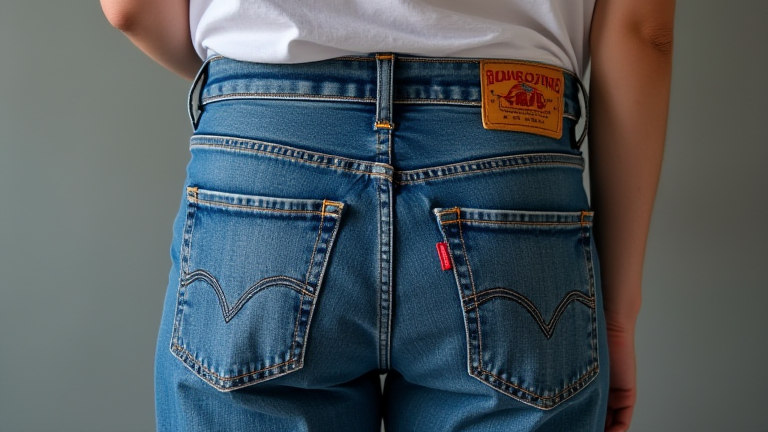
TL;DR: Gen Z is driving a surge in secondhand Levi’s 501 sales due to the brand’s iconic status, superior durability, and alignment with sustainable values. This trend reflects a broader shift toward circular fashion, where vintage denim is valued for its aesthetic authenticity and eco-friendly footprint.
The Resurgence of Vintage Denim
The denim market is undergoing a profound transformation, with secondhand Levi’s 501 jeans becoming a coveted item among young consumers. Recent data from the resale platform ThredUp indicates that Levi’s is consistently ranked as the top-selling denim brand in the secondhand market, with demand for vintage 501s increasing by over 40% year-over-year. This spike is not merely a fashion fad but a significant economic indicator of shifting consumer priorities. Gen Z buyers, who are the most sustainability-conscious demographic in history, are actively choosing pre-owned garments to reduce their carbon footprint. Unlike fast fashion alternatives, vintage Levi’s offers a narrative of longevity and timelessness that resonates deeply with this generation. The distinct fade patterns and fabric stiffness of older 501s provide a unique aesthetic that new production cannot easily replicate, creating a “patina” that is highly prized in streetwear culture.
Expert Insights on Consumer Behavior
Industry analysts suggest that this trend is fueled by a combination of economic pragmatism and cultural identity. Sarah Jenkins, a senior fashion economist, notes that while new Levi’s prices have risen due to inflation and material costs, secondhand options offer a way to access high-quality heritage brands without the premium markup. “Gen Z is savvy; they recognize that a thirty-year-old pair of 501s retains more value and character than a new pair from a fast-fashion retailer,” Jenkins explains. Furthermore, social media platforms like TikTok have amplified the “grail hunt” aspect of buying vintage denim. Influencers showcasing their rare finds create a sense of exclusivity and community, turning the purchase into a social event rather than a transactional act. This digital ecosystem reinforces the desirability of specific vintages, creating a self-sustaining cycle of demand that keeps prices high and stock low.
Future Predictions for the Resale Market
Looking ahead, experts predict that the secondhand denim sector will continue to outpace new denim sales among under-30 consumers. By 2026, it is estimated that one in four jeans purchased by Gen Z will be pre-owned. Retailers are responding by integrating resale platforms directly into their digital storefronts, creating seamless loops for returning and buying vintage items. Levi’s itself has acknowledged this shift, launching specific initiatives to support the resale of its classic designs, recognizing that protecting the brand’s legacy involves embracing its secondary market. As sustainability regulations tighten globally, the economic and environmental incentives for buying secondhand will only grow stronger. The Levi’s 501 will likely remain the benchmark for vintage denim, serving as both a fashion staple and a symbol of the circular economy’s success. The future of denim is not just about what is made, but what is kept, worn, and reused.
FAQ
Q: Why are vintage Levi’s 501s more expensive than new ones?
A: Scarcity, superior aging characteristics, and high demand among fashion enthusiasts drive prices up, making them collectible items rather than just clothing.
If you want to dig deeper, check out our guide on How to Scale Your Shopify Dropshipping Business.
Q: How can I verify if a pair of secondhand Levi’s is authentic?
A: Check the red tab stitching, the button rivet stamp, and the specific wash patterns typical of the claimed production year to ensure authenticity.
Q: Does buying secondhand denim actually save the environment?
A: Yes, extending the life of garments reduces the demand for new production, thereby lowering water usage, carbon emissions, and textile waste significantly.
Leave a Reply