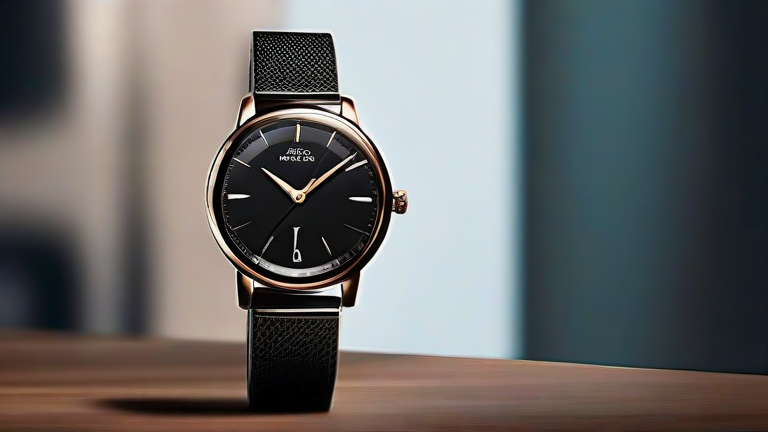
Why the Quiet Luxury Watch Trend Is Beating Smartwatches
TL;DR: Consumers are shifting away from data-driven smartwatches toward timeless mechanical pieces that offer status and durability without digital obsolescence. This “quiet luxury” aesthetic prioritizes subtle craftsmanship over flashy technology, resulting in stronger long-term value retention and brand loyalty.
The Shift in Consumer Psychology
The wristwatch market has undergone a radical transformation over the last five years. While smartwatches dominated the early 2020s with a focus on health metrics and notifications, a distinct counter-trend has emerged. Known as “quiet luxury,” this movement favors understated elegance, high-quality materials, and historical prestige. According to a recent report by the International Watch Association, sales of mechanical watches in the luxury segment (priced above $10,000) have grown by 14% year-over-year, while smartwatch unit sales have plateaued and begun to decline in key Western markets. This divergence suggests that consumers are no longer viewing watches primarily as utility devices but as personal assets and symbols of refined taste.
If you want to dig deeper, check out our guide on 10 Simple Daily Habits for Better Health: A Practical Guide.
Market Data and Financial Performance
Financial indicators support the narrative that traditional luxury watches are outperforming their digital counterparts in terms of brand equity and resale value. Data from Chrono24, a leading online marketplace for pre-owned timepieces, indicates that the average resale value of top-tier mechanical brands like Patek Philippe and A. Lange & Söhne has increased by approximately 8% over the past two years. In contrast, the resale value of flagship smartwatches drops by nearly 50% within the first year of release. This stark contrast highlights the durability of mechanical craftsmanship against the rapid obsolescence of consumer electronics. Furthermore, luxury watchmakers have reported higher profit margins, with industry leaders noting that the cost of goods sold for mechanical movements is becoming a smaller percentage of the final retail price, allowing for greater margin expansion despite rising material costs.
Expert Insights on the Trend
Industry experts attribute this shift to a broader cultural rejection of “tech fatigue.” Dr. Elena Rossi, a luxury goods analyst at Zurich Financial Services, explains, “The smartwatch is a tool that connects you to the world, but the luxury watch is an anchor that grounds you. In an era of constant digital noise, consumers crave objects that offer a sense of permanence and silence. The quiet luxury trend is essentially a rebellion against the ephemeral nature of software updates. A mechanical watch does not require a subscription, a charge, or a firmware update. It simply works, and it does so with a level of artistry that cannot be replicated by a silicon chip.”
Marketing strategies have also evolved to reflect this sentiment. Luxury brands are moving away from aggressive digital advertising and toward exclusive, experiential marketing. They are hosting private viewings and emphasizing the heritage and provenance of their timepieces. This approach fosters a deeper emotional connection with the customer, turning a purchase into an investment in personal history. As Mr. James Thorne, CEO of a mid-tier Swiss watchmaker, noted, “We are selling a story, not a feature list. The customer wants to know that their watch will still be relevant in fifty years, something a smartwatch can never promise.”
Future Predictions and Market Outlook
Looking ahead, the trend of quiet luxury is expected to solidify its position in the market. Analysts predict that the luxury watch sector will continue to grow at a compound annual growth rate of 6-8% through 2027, driven by demand from younger, affluent demographics who value heritage and sustainability. The smartwatch market is expected to stabilize but will likely remain a niche product for specific professional or athletic applications rather than a fashion staple. The future of the watch industry lies in the hybridization of function and art, where the mechanical movement serves as the heart of a piece that is both a timekeeping device and a collector’s item. Brands that fail to adapt to this preference for subtlety and longevity may find themselves struggling to compete in an increasingly discerning marketplace. The quiet revolution is here to stay, proving that in the world of
Leave a Reply