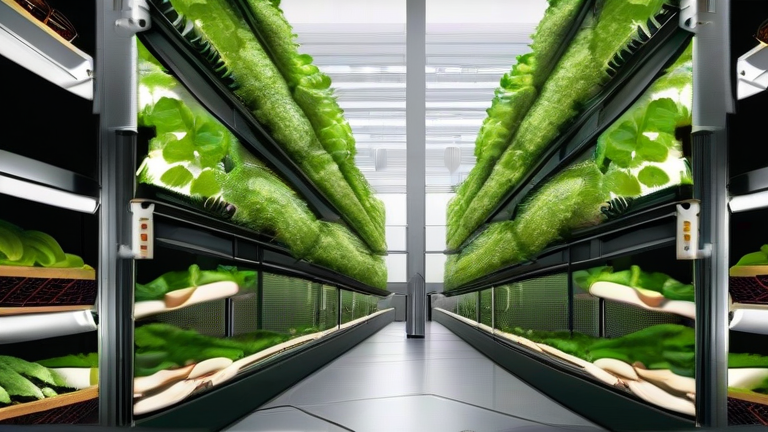
TL;DR: Vertical farming transforms urban centers into self-sufficient food hubs by growing crops in stacked layers using controlled environments. This innovative agricultural method ensures a steady, sustainable supply of fresh produce directly to city dwellers, reducing reliance on distant rural farms.
The Green Revolution in the Sky
Imagine stepping off a bustling subway in Tokyo or New York and walking into a serene, humming greenhouse located not in the countryside, but on the roof of a skyscraper. This is not a scene from a distant sci-fi novel; it is the emerging reality of vertical farming. As urban populations swell and arable land shrinks, this technology offers a profound solution to the disconnect between where we live and where our food grows. It is more than just agriculture; it is a lifestyle shift toward sustainability, resilience, and a deeper connection with our food sources.

If you want to dig deeper, check out our guide on Smart Cities Deploy Autonomous Public Transit.
The cultural impact of this shift is subtle yet significant. When you buy vegetables grown just blocks away, you are participating in a local ecosystem. The taste is often superior because these crops are harvested at peak ripeness and consumed within hours, rather than days or weeks of transportation. This freshness translates to a more vibrant culinary culture. Chefs in urban centers are increasingly partnering with local vertical farms to create menus that celebrate hyper-local ingredients. This trend fosters a sense of community pride and environmental responsibility, turning dining into an act of conscious consumption.
Beyond taste, vertical farming supports personal growth by reconnecting individuals with the natural world. In concrete jungles, the sight of thriving greens amidst steel and glass serves as a daily reminder of nature’s resilience. It inspires city dwellers to adopt more sustainable habits in their daily lives, from reducing waste to supporting green initiatives. The aesthetic appeal of these farms, often designed as public spaces, invites curiosity and education. Schools and community groups visit these facilities to learn about biology, engineering, and sustainability, fostering a new generation of environmentally aware citizens.
Economically, vertical farming stabilizes food prices by insulating supply chains from weather disruptions and global logistics issues. For the average urbanite, this means greater food security and affordability. The technology uses up to 95% less water than traditional farming, a crucial advantage in water-scarce cities. As we look to the future, the integration of vertical farms into urban architecture promises cleaner air, reduced carbon footprints, and a more harmonious relationship between city life and nature.
FAQ
Q: Is vertical farming sustainable?
A: Yes, it uses significantly less water and land than traditional farming, though energy use for lighting remains a key consideration.
Q: Where can I buy produce from vertical farms?
A: Many urban vertical farms sell directly to local restaurants, grocery stores, and consumers through farmers’ markets or subscription boxes.
Q: Does vertical farming taste different?
A: Often, yes; produce is harvested at peak ripeness and consumed quickly, leading to fresher flavors and higher nutrient retention.
Leave a Reply