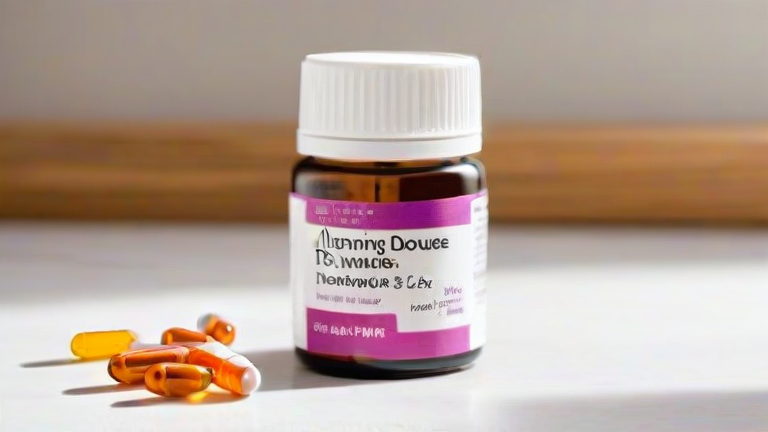
TL;DR: Emerging research indicates that GLP-1 receptor agonists, originally developed for type 2 diabetes and obesity, are showing promising potential in reducing neuroinflammation associated with Alzheimer’s disease and modulating tumor growth in certain cancers. While clinical applications for these new conditions are still in early stages, the drugs’ ability to improve metabolic health and reduce systemic inflammation offers a compelling dual-pathway approach to chronic disease prevention.
The Mechanism: Why GLP-1s Matter Beyond Weight
Glucagon-like peptide-1 (GLP-1) receptor agonists work primarily by enhancing insulin secretion and slowing gastric emptying. However, scientists have discovered that these drugs also activate receptors in the brain and other tissues, leading to significant anti-inflammatory effects. In the context of Alzheimer’s disease, this is crucial because chronic neuroinflammation is a key driver of neuronal death. By crossing the blood-brain barrier, these agents may help clear amyloid plaques and reduce the activation of microglia, the brain’s immune cells. Similarly, in oncology, GLP-1s appear to inhibit the proliferation of cancer cells by interfering with growth signaling pathways and improving the body’s metabolic response to stress. This dual action suggests that managing metabolic health could be a critical component in preventing both neurological decline and certain types of cancer.
If you want to dig deeper, check out our guide on iPhone 16 Pro Battery Life: Real-World Test Results.
Science-Backed Lifestyle Tips for Neuro-Protection
While pharmaceutical interventions are advancing, lifestyle modifications remain the cornerstone of brain and body health. First, prioritize a Mediterranean-style diet rich in antioxidants, healthy fats, and lean proteins. This dietary pattern synergizes with metabolic health by reducing oxidative stress, which complements the anti-inflammatory effects of GLP-1 therapies. Second, engage in regular aerobic exercise, aiming for at least 150 minutes per week. Exercise increases blood flow to the brain, promoting neuroplasticity and enhancing the delivery of nutrients to neurons. Third, ensure adequate sleep hygiene. Sleep is when the glymphatic system clears metabolic waste from the brain, including beta-amyloid proteins. Disrupted sleep accelerates neurodegeneration, so maintaining a consistent sleep schedule is vital. Finally, manage stress through mindfulness or meditation. Chronic stress elevates cortisol levels, which can exacerbate inflammation and impair immune function. By combining these habits, individuals can create a resilient biological environment that supports cognitive health and lowers the risk of metabolic and oncological diseases.
Future Implications and Precautions
As clinical trials expand, it is crucial to approach these developments with realistic expectations. GLP-1 drugs are not currently approved for Alzheimer’s or cancer treatment, and self-medication is dangerous. Side effects such as gastrointestinal distress can be significant, and individual responses vary widely. Healthcare providers will likely integrate these therapies into broader preventive care plans, focusing on patients with multiple comorbidities. The expansion of GLP-1 utility represents a paradigm shift in medicine, moving from treating isolated symptoms to managing systemic health. By understanding the interconnectedness of metabolic, neurological, and oncological health, patients can advocate for more holistic care strategies. As research progresses, the hope is that these drugs will become part of a comprehensive toolkit for aging well, offering a beacon of hope for millions affected by debilitating chronic conditions.
FAQ
Q: Are GLP-1 drugs safe for people without diabetes?
A: Yes, they are increasingly prescribed for obesity management in non-diabetic patients, but they must be taken under strict medical supervision to manage potential side effects and ensure appropriate dosing.
Q: Can lifestyle changes replace the need for GLP-1 medication?
A: Lifestyle changes are essential for overall health and can reduce disease risk, but they cannot fully replicate the specific biological mechanisms of GLP-1 agonists, particularly in severe metabolic or neurological conditions.
Q: When will GLP-1 drugs be available for Alzheimer’s treatment?
A: There is no specific timeline, as clinical trials are ongoing; however, regulatory approval for this new indication could take several years, pending sufficient evidence of safety and efficacy from large-scale studies.
Leave a Reply