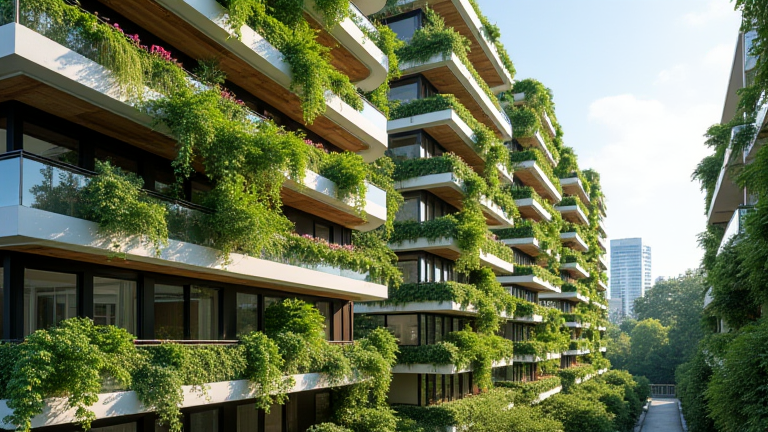
TL;DR: Urban vertical farming in residential buildings is a viable and increasingly practical way to grow fresh produce at home, using stacked hydroponic or aeroponic systems that fit in small spaces. It cuts grocery costs, reduces food miles, and delivers fresher greens than most store-bought alternatives, though it requires upfront investment and consistent maintenance.
Feature Highlights
Modern residential vertical farming systems have evolved far beyond a few pots on a windowsill. Today’s units typically stack three to eight growing tiers in a footprint no larger than a bookshelf, using hydroponic or aeroponic irrigation to deliver nutrients directly to plant roots. Most models include full-spectrum LED grow lights calibrated for leafy greens and herbs, automated timers, and water recirculation that cuts consumption by up to 90 percent compared with soil gardening.
If you want to dig deeper, check out our guide on SEO Tutorial: Step-by-Step Guide to Boosting Your Website Ra.
Smart connectivity is now standard in mid-range and premium systems. Companion apps monitor pH, nutrient levels, and humidity, and send alerts when reservoirs run low. Modular designs let residents expand one tray at a time, which matters in apartments where space is fixed. Noise levels have also improved dramatically; quality pumps now run below 40 decibels, quieter than a refrigerator.
How It Compares
Against traditional balcony container gardening, vertical systems win on yield per square foot—often three to five times more—and eliminate weather risk entirely. Compared with community garden plots, they trade outdoor space and social benefits for year-round harvests and zero commute. Versus buying organic greens weekly, a mid-size system typically pays for itself within 12 to 18 months, depending on local produce prices.
The trade-offs are real, though. Vertical farms demand electricity for lighting, adding roughly the equivalent of a small appliance to monthly bills. They also favor leafy greens, herbs, and strawberries; root vegetables and large fruiting plants remain impractical. And unlike a balcony garden, they require regular attention to nutrient solutions and pump maintenance—neglect shows up fast.
Who Should Buy One
These systems suit apartment dwellers with limited outdoor access, households that buy fresh herbs and salad greens weekly, and anyone curious about food production without committing to outdoor gardening. They are less suited to casual users who travel frequently or expect a fully hands-off experience.
Call to Action
If you have a spare meter of floor space and a willingness to spend ten minutes a week on upkeep, start with a compact three-tier system before scaling up. Measure your space, check power outlet proximity, and confirm the unit’s light spectrum covers what you actually want to grow. Order a starter model this week and you could be harvesting your first batch of basil and lettuce within 30 days.
FAQ
Q: How much electricity does a typical residential vertical farm use?
A: Most home units draw between 50 and 150 watts during lighting hours, adding roughly $3 to $10 per month to a typical electricity bill depending on local rates and light schedule.
Q: Can vertical farming systems grow more than lettuce and herbs?
A: Yes—cherry tomatoes, peppers, strawberries, and microgreens are common, though fruiting plants need taller tiers and stronger lighting, so check the system’s height and light specifications first.
Q: Is maintenance difficult for beginners?
A: Not difficult, but it is regular: expect to top up water every few days, adjust nutrients weekly, and clean the reservoir monthly. Most beginners master the routine within the first growing cycle.
Leave a Reply