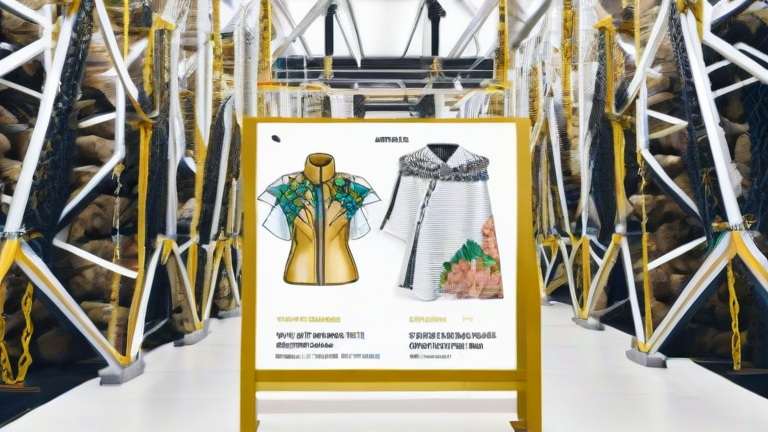
TL;DR: Blockchain in sustainable fashion is a digital ledger that records every step of a garment’s journey—from fiber to finished piece—so brands and shoppers can verify ethical and environmental claims. It replaces vague “green” marketing with tamper-proof traceability you can actually check.
From Field to Fitting Room
Picture a cotton shirt. Before it reaches your wardrobe, its fibers may pass through a farm in India, a spinner in Turkey, a weaver in Portugal, and a factory in Bangladesh. Each handoff is an opportunity for greenwashing—or for genuine accountability. Blockchain turns that tangled supply chain into a transparent story, logging each transaction as a permanent, uneditable entry. For travelers who care where their souvenirs come from, it’s like a passport stamp for every thread.
If you want to dig deeper, check out our guide on Bioengineered Proteins: The Future of Dairy-Free Alternative.
Why It Matters for Conscious Consumers
Sustainability labels can feel like reading a menu in a foreign language. Blockchain offers something simpler: proof. Scan a QR code on a garment tag and a verified history can appear—water usage at the farm, fair-wage certification at the factory, carbon footprint of shipping. It doesn’t just tell you a shirt is “eco-friendly”; it shows you why, step by step. That transparency builds trust the way a good local food market does—you see the source, you meet the story.
A Personal Growth Angle
Adopting traceable fashion is a small mindset shift with outsized ripple effects. Once you start asking “where did this come from?”, the question spills into your groceries, your furniture, your travel choices. It’s the same curiosity that makes a slow-food dinner more meaningful than a fast-food meal. Blockchain simply gives that curiosity a tool to stand on—less guilt, more informed joy in what you own.
The Honest Caveats
No technology is a silver bullet. Blockchain can only record what’s entered, so a dishonest supplier could still log false data. Energy use varies by network, and small artisans may lack the resources to participate. Still, as pilot programs expand—from denim to cashmere—the direction is promising. Think of it as a library card for your wardrobe: not a guarantee of virtue, but a reliable index of what’s known.
FAQ
Q: Is blockchain traceability only for big fashion brands?
A: No—cooperatives and small labels are joining shared platforms too, often through industry partnerships that lower the cost of entry.
Q: Can I actually use this as a shopper?
A: Yes. Look for QR codes or digital product passports on tags, which link to verified supply-chain records you can browse on your phone.
Q: Does a blockchain tag guarantee a garment is sustainable?
A: Not automatically. It verifies recorded data, so pair it with third-party certifications and your own judgment about materials and durability.
Leave a Reply