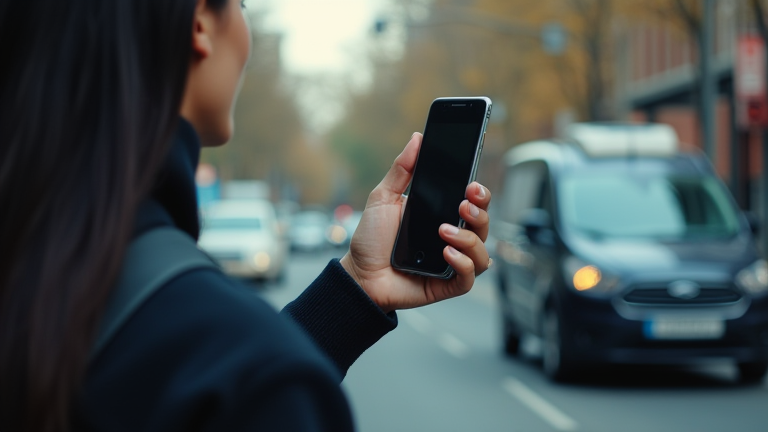
TL;DR: Uber has been hit with a significant financial penalty for its opaque and unfair algorithmic system that automatically suspended drivers without clear human review. This ruling serves as a critical warning for the gig economy, highlighting the urgent need for transparency and accountability in automated decision-making processes that affect livelihoods.
The Human Cost of Automated Decisions
In the modern gig economy, the boundary between human judgment and algorithmic efficiency is blurring at a rapid pace. For millions of drivers, the Uber app is not just a tool; it is their primary source of income, their schedule, and often, their identity within the professional world. When a notification pops up stating that an account has been suspended, the immediate reaction is not one of logical deduction but of profound personal crisis. The recent imposition of a billion-dollar fine on Uber for its algorithmic driver suspensions is not merely a corporate legal event; it is a cultural moment that forces us to reconsider how technology mediates human labor and dignity.
If you want to dig deeper, check out our guide on 7 Easy Lifestyle Hacks for a Balanced, Stress-Free Life.
This situation resonates deeply with broader themes of personal growth and professional autonomy. In the past, if a worker was fired, they could request a meeting with their manager, ask for clarification, and potentially appeal the decision. That human buffer allowed for nuance, context, and empathy. Algorithms, by contrast, operate in a binary vacuum. They detect patterns, flag anomalies, and execute consequences. When a driver is suspended because a passenger gave a low rating, the algorithm does not know that the passenger was intoxicated, that the driver was dealing with a personal emergency, or that the navigation system had led them astray. The lack of context turns a complex human interaction into a cold data point, stripping the worker of their agency.
From a travel and lifestyle perspective, this shift impacts the reliability and humanity of the services we depend on daily. We rely on these platforms for convenience, but that convenience often comes at the cost of the workers behind the wheel. When systems are designed to maximize efficiency above all else, the human element is often the first casualty. The fine against Uber is a necessary correction, signaling that automation cannot be an excuse for injustice. It suggests that companies must integrate human oversight into critical decisions that affect people’s livelihoods. This is not just about compliance; it is about building a sustainable ecosystem where technology serves humanity, rather than exploiting it.
For individuals navigating their own careers in an increasingly digital world, this story offers a valuable lesson. It reminds us to advocate for clarity and fairness in any system that evaluates our performance. Whether in a traditional office or a digital platform, understanding the criteria by which we are judged is a vital aspect of professional resilience. We must demand transparency. We must ask for the “why” behind the “what.” By doing so, we protect not only our own interests but also the broader ethical standards of our industries. The fine is a step in the right direction, but the real change comes when we collectively insist that technology remains a servant to human values, not a master of human fate.
FAQ
Q: What specific algorithmic practice led to the fine?
A: The fine was primarily driven by Uber’s use of an automated system that suspended drivers based on passenger ratings without providing a clear, immediate human review process or transparent explanation for the specific actions that triggered the suspension.
Q: How does this affect the average consumer’s experience?
A: While consumers may not face direct financial penalties, the ruling aims to ensure a more stable and reliable workforce, which can lead to better service consistency and higher ethical standards in how rideshare platforms operate and treat their employees.
Q: What can gig workers do to protect themselves from unfair suspensions?
A: Gig workers should meticulously document their work, including keeping records of fares, conversations, and any issues encountered during rides. They should also stay informed about their local labor rights and utilize any available appeal channels to contest algorithmic decisions that seem unjust.
Leave a Reply