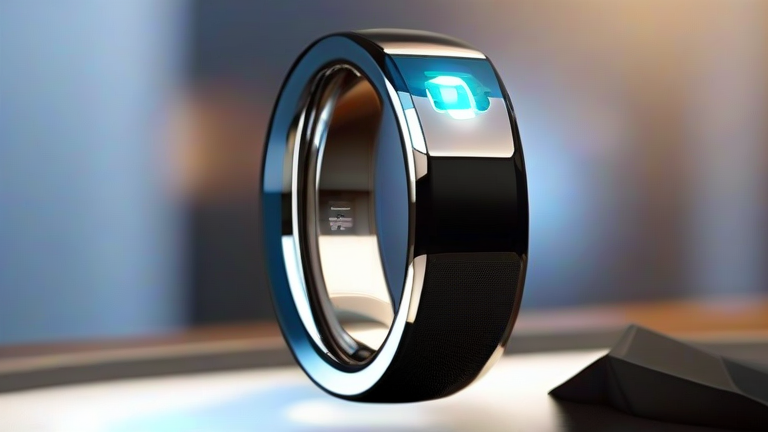
The Rise of Smart Rings: Why Wearable Health Tech Is Booming
TL;DR: Smart rings are surging in popularity because they offer discreet, continuous health monitoring without the bulk of traditional smartwatches. This shift is driven by consumers seeking seamless integration of biometric data into daily life for better wellness insights.
The wearable technology landscape has undergone a significant transformation in recent years, moving away from the dominance of bulky smartwatches toward more minimalist devices. At the forefront of this change are smart rings, which have rapidly evolved from niche gadgets to essential health companions. This boom is not merely a trend but a fundamental shift in how users interact with personal health data, prioritizing comfort and aesthetics without sacrificing functionality.
Market data underscores this explosive growth. According to recent industry reports, the global smart ring market is projected to expand at a compound annual growth rate (CAGR) of over 25% through 2030. This trajectory is fueled by increasing consumer demand for non-invasive health tracking solutions. Unlike smartwatches, which often require frequent charging and can feel intrusive during sleep or exercise, smart rings offer a seamless, always-on experience. They track critical metrics such as heart rate variability, blood oxygen levels, sleep quality, and stress indicators with high accuracy.
Expert insights highlight the psychological appeal of these devices. “Consumers are tired of technology that demands attention,” says Dr. Elena Ross, a specialist in human-computer interaction. “Smart rings succeed because they disappear into the user’s routine. They provide insights without interrupting life, making health data feel less like a chore and more like a natural part of daily existence.” This sentiment is echoed by major tech firms and startups alike, who are investing heavily in refining sensor technology to ensure reliability and battery life.
Future predictions suggest that smart rings will become even more integrated with broader health ecosystems. We can expect advancements in artificial intelligence that will provide personalized, actionable health recommendations in real-time. Furthermore, collaborations with healthcare providers may lead to insurance incentives for users who maintain consistent health baselines tracked by their rings. As battery technology improves and sensors become more sophisticated, these devices will likely track additional biomarkers, such as hydration levels and glucose trends, further cementing their role in preventive healthcare.
The rise of smart rings signifies a maturing market where utility and design are equally valued. As more manufacturers enter the space, competition will drive innovation, leading to more affordable options and enhanced features. This democratization of advanced health tech ensures that comprehensive wellness monitoring becomes accessible to a wider audience, ultimately promoting a culture of proactive health management.
FAQ
Q: Are smart rings accurate enough for medical use?
A: While smart rings are excellent for trend monitoring and wellness insights, they are not currently medical-grade devices and should not be used for diagnosing conditions.
If you want to dig deeper, check out our guide on How Long to Gain Momentum: Realistic Timelines.
Q: How long does the battery last on a typical smart ring?
A: Most modern smart rings offer battery lives ranging from seven to fourteen days on a single charge, significantly outperforming daily-charged smartwatches.
Q: Which metrics can a smart ring track?
A: Commonly tracked metrics include heart rate, sleep stages, blood oxygen saturation, skin temperature, and stress levels via heart rate variability.
Leave a Reply