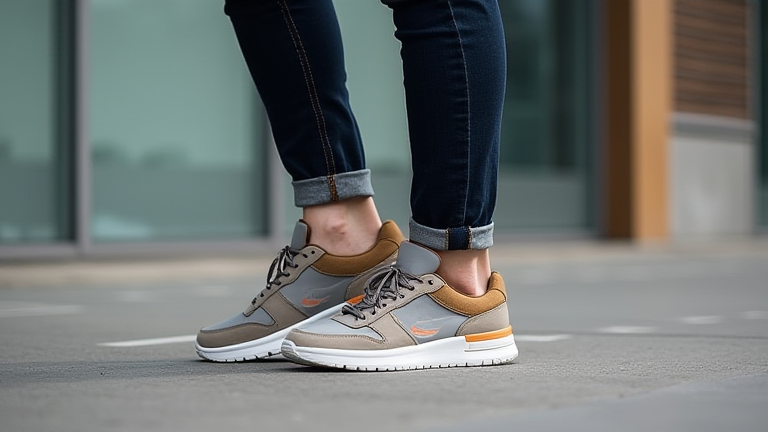
TL;DR: The sustainable sneaker market is shifting from niche eco-friendly options to mainstream dominance, driven by circular economy models and bio-based materials. This transition is redefining street style by prioritizing durability, transparency, and low-carbon footprints over disposable fast-fashion aesthetics.
The Rise of Circular Fashion
The sneaker industry is undergoing a profound transformation as consumers increasingly demand accountability from brands. According to recent market analysis, the global sustainable footwear market is projected to reach $1.2 billion by 2025, growing at a compound annual growth rate of 12.5%. This surge is not merely a marketing ploy but a structural shift in how products are designed, manufactured, and disposed of. Top brands are now embedding circularity into their core business models, ensuring that every pair of sneakers can be returned, repaired, or recycled at the end of its life cycle.
Material Innovation Leads the Charge
One of the most significant trends reshaping street style is the replacement of virgin synthetic materials with bio-based alternatives. Mycelium leather, pineapple leaf fiber, and recycled ocean plastics are now standard in high-end collections. These materials offer comparable durability to traditional synthetics while significantly reducing carbon emissions. Expert insights from industry analysts suggest that material innovation is the primary driver of consumer trust. When customers see tangible evidence of environmental stewardship, such as a sneaker made from 70% recycled content, their brand loyalty increases substantially. This shift is particularly evident among Gen Z and Millennial consumers, who prioritize ethical consumption in their daily wardrobe choices.
Transparency and Blockchain Verification
Another critical trend is the integration of blockchain technology to verify supply chain transparency. Brands are now using digital passports to track the origin of every component in a sneaker. This level of detail allows consumers to verify claims about sustainable sourcing and labor practices. In a market saturated with greenwashing accusations, verifiable data has become a competitive advantage. Major retailers are beginning to require these digital certifications as a condition for shelf space, signaling that transparency is no longer optional but a baseline expectation for industry participants.
Repairability as a Style Statement
Street style is evolving to embrace imperfection and longevity. Rather than discarding worn-out sneakers, enthusiasts are opting for professional repair services that extend the life of their footwear. This trend aligns with the broader “slow fashion” movement, where quality and craftsmanship outweigh seasonal trends. Sneakers with modular designs, allowing for easy replacement of soles or uppers, are gaining popularity. This modular approach not only reduces waste but also encourages a deeper connection between the wearer and their footwear. The aesthetic of well-worn, repaired sneakers is now celebrated in fashion media, challenging the previous notion that newness equates to status.
Future Predictions and Market Outlook
Looking ahead, the next five years will likely see the consolidation of sustainable practices across all price points. Luxury brands will continue to lead in material innovation, while mass-market brands will focus on scaling circular logistics. Predictive models suggest that by 2030, over 40% of new sneaker releases will incorporate at least one circular element. Furthermore, government regulations regarding textile waste are expected to accelerate this transition, forcing non-compliant brands to adapt or exit the market. The future of street style is not just about looking good; it is about looking good while doing good. As technology advances, we can anticipate even more innovative materials and efficient recycling processes that will further reduce the environmental impact of footwear.
FAQ
Q: What is the most significant barrier to widespread adoption of sustainable sneakers?
A: The primary barrier remains cost, as sustainable materials and ethical manufacturing processes are often more expensive than conventional methods, though this gap is narrowing due to economies of scale.
If you want to dig deeper, check out our guide on Shopify Store Setup: 10 Essential Apps to Boost Sales.
Q: How do consumers verify if a sneaker is truly sustainable?
A: Consumers should look for third-party certifications, digital product passports, and transparent supply chain disclosures that provide verifiable data on material sourcing and carbon footprint.
Q: Will sustainable sneakers eventually replace traditional fast-fashion footwear completely?
A: While complete replacement is unlikely in the
Leave a Reply