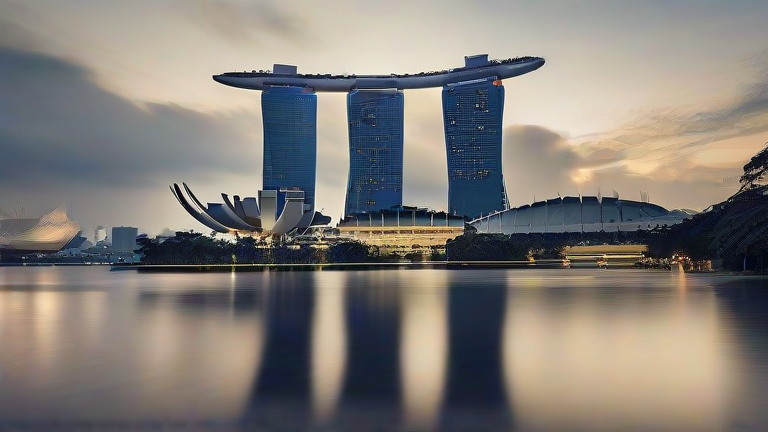
2 Days in Singapore: Urban Jungle Meets Nature
TL;DR: Singapore offers a unique blend of high-tech urban convenience and lush tropical greenery, allowing travelers to balance active exploration with restorative nature immersion. By strategically alternating between intense city walking and serene park visits, you can maximize physical activity while minimizing stress during a short trip.
The Science of Urban-Nature Balance
Recent studies in environmental psychology suggest that brief exposure to natural environments significantly reduces cortisol levels and improves cognitive function. In Singapore, this concept is not just theoretical but deeply integrated into urban planning. For a two-day itinerary, the key is pacing. Start Day 1 with the vibrant energy of Chinatown or Little India. Walking is the most effective mode of transport here, providing moderate aerobic exercise that boosts cardiovascular health. However, avoid overexertion in the midday heat. Instead, retreat to the National Orchid Garden or the nearby Botanic Gardens. The World Heritage Site offers shaded, cool pathways that encourage slow, mindful walking. This practice, known as “forest bathing” or shinrin-yoku, has been shown to lower blood pressure and boost immune system function by increasing natural killer cell activity.
If you want to dig deeper, check out our guide on 5 Shopify App Stacks That Boost Ecommerce Conversion Rates.
Day 2: Active Recovery and Mindfulness
On the second day, focus on active recovery. Begin with a morning session at the East Coast Park or the Sentosa Island beaches. Swimming or gentle beach walking provides low-impact exercise that aids muscle recovery from the previous day’s city exploration. Science backs the importance of hydration in tropical climates; aim for at least two liters of water daily to maintain optimal cognitive performance and prevent heat-related fatigue. For lunch, choose local hawker centers that offer balanced meals rich in protein and fiber, such as chicken rice or laksa with extra vegetables. These meals provide sustained energy without the heavy carb load that can cause afternoon slumps. In the evening, visit Gardens by the Bay. The Supertree Grove offers a unique vertical forest experience. Walking through the cooled conservatories allows you to appreciate diverse plant ecosystems without the physical strain of the humid outdoors. This controlled environment helps regulate body temperature, promoting better sleep quality, which is crucial for overall wellness.
Lifestyle Tips for Wellness Travelers
To truly benefit from this urban-nature synergy, prioritize sleep hygiene. Singapore’s high-rise architecture can sometimes feel isolating, but the abundance of public spaces fosters community connection. Engage in brief social interactions with locals or fellow travelers to combat the potential loneliness of solo travel, as social bonding releases oxytocin, which reduces stress. Additionally, use the city’s extensive MRT system to incorporate more steps into your daily routine. Standing on the moving walkways in the metro station adds to your daily step count without requiring significant time. Finally, take advantage of the city’s air-conditioned spaces to cool down regularly, preventing heat stress. By combining the dynamism of the city with the tranquility of its green spaces, you create a holistic wellness experience that rejuvenates both body and mind. This balanced approach ensures that your short visit leaves you feeling refreshed rather than exhausted, setting the stage for continued well-being long after you return home.
FAQ
Q: Is Singapore suitable for travelers with limited mobility?
A: Yes, the city is highly accessible with step-free transit, flat park paths, and extensive air-conditioned indoor spaces, making it easy to manage physical exertion.
Q: How can I stay safe regarding food hygiene in hawker centers?
A: Choose stalls with a high volume of customers and visible cleanliness, as high turnover ensures fresh ingredients and reduces the risk of foodborne illness.
Q: What is the best time of day to visit the Botanic Gardens?
A: Early morning or late afternoon is ideal to avoid peak heat and crowds, allowing for a more relaxing and meditative experience in the cool, shaded trails.
Leave a Reply