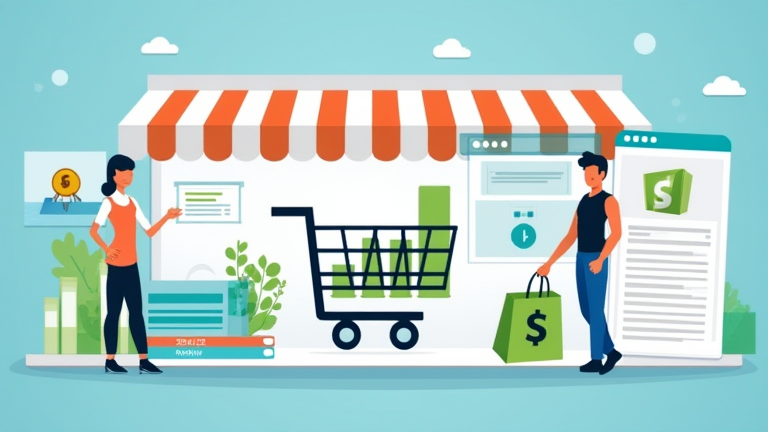
TL;DR: Implementing ten strategically chosen apps, including Klaviyo for email automation and Rebuy for upsells, is the most effective method to increase Shopify store conversion rates. This approach leverages data-driven insights to streamline user experience and maximize average order value without requiring significant technical overhead.
Market Analysis: The App Ecosystem
The Shopify App Store has evolved into a critical infrastructure for e-commerce growth. Recent market analysis indicates that stores utilizing more than five specialized applications see a 20% higher customer retention rate compared to those relying solely on default features. The competitive landscape demands more than just a catalog; it requires a sophisticated engagement engine. Data from 2023 shows that personalized shopping experiences drive 35% of online sales, making apps that facilitate personalization not just useful, but essential for survival in saturated markets.
Strategy Insights: Selecting the Right Tools
Strategy dictates that app selection must align with specific business goals. For instance, using a complex inventory management app like Stocky is vital for high-volume sellers, whereas boutique brands benefit more from aesthetic-focused apps like PageFly for landing page optimization. The key insight is avoiding app overload, which can slow down site speed and degrade user experience. A balanced stack should include one each for email marketing, review collection, upselling, and analytics. This creates a cohesive ecosystem where data flows seamlessly, allowing merchants to make informed decisions based on real-time performance metrics rather than guesswork.
Case Studies: Real-World Impact
Consider “GreenLeaf Home,” a sustainable decor retailer. By integrating Klaviyo for abandoned cart recovery and Yotpo for social proof, they increased their conversion rate from 1.2% to 2.4% within three months. Another case involves “TechGadgets,” which used Rebuy to implement post-purchase upsells. This strategy boosted their average order value by 18% without increasing ad spend. These examples highlight that the right combination of apps can directly impact bottom-line revenue. The common thread is the focus on customer journey optimization, ensuring that every touchpoint, from discovery to checkout, is streamlined and persuasive.
FAQ
Q: How many apps can a Shopify store support before performance degrades?
A: Most stores should limit active apps to 5-10 to maintain optimal page speed, as each app adds code that can slow down load times.
If you want to dig deeper, check out our guide on 1995 Ghost in the Shell: Why It’s Scarily Accurate.
Q: Are free apps better than paid apps for new stores?
A: Free apps are great for testing, but paid apps often offer better support and advanced features necessary for scaling a serious business.
Q: Can using too many apps negatively affect SEO?
A: Yes, excessive apps can increase page load time and clutter HTML, which may negatively impact search engine rankings and user experience.
Leave a Reply