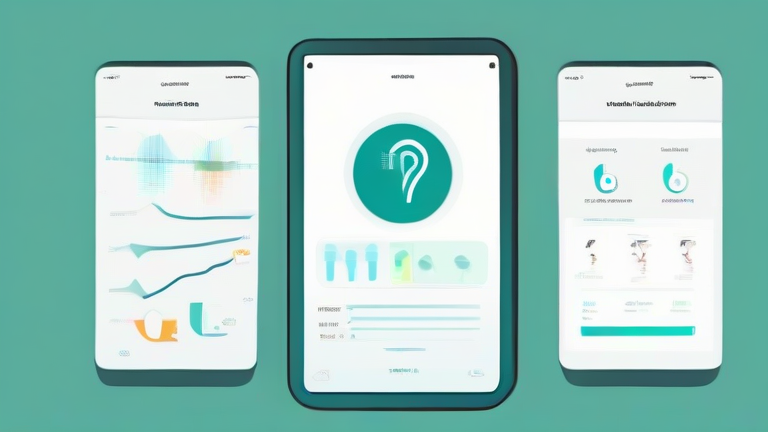
Real-Time Biometric Feedback in Mental Health Apps
The intersection of wearable technology and psychological science has given rise to a revolutionary approach in mental healthcare: real-time biometric feedback. For years, individuals managing anxiety, depression, or stress relied solely on retrospective journaling or periodic therapy sessions to track their emotional state. Today, sophisticated smartphones and smartwatches monitor physiological markers such as heart rate variability, skin conductance, and sleep patterns, providing immediate insights into our mental well-being. This paradigm shift allows users to move from reactive coping mechanisms to proactive emotional regulation, fundamentally changing how we understand and manage mental health in our daily lives.
At the core of this technology is Heart Rate Variability, or HRV. Unlike a steady heartbeat, HRV measures the variation in time between each heartbeat. Higher HRV is generally associated with better cardiovascular fitness and resilience to stress, while lower HRV often indicates high stress levels or fatigue. Mental health applications now sync with these wearable devices to detect subtle physiological changes that precede an anxiety attack or a mood crash. By identifying these patterns, the app can prompt the user to engage in grounding exercises, deep breathing techniques, or mindfulness meditation before the emotional distress becomes overwhelming. This immediate feedback loop creates a powerful tool for building emotional intelligence and self-awareness.
If you want to dig deeper, check out our guide on Why Solar Battery Storage Is Becoming a Home Standard.
However, the efficacy of these tools depends heavily on how users integrate them into their lifestyles. Science-backed advice suggests that biometric data should not be used to induce health anxiety or obsessive tracking. Instead, users should view these metrics as gentle nudges rather than strict judgments. For instance, if a smartwatch detects elevated stress levels during a workday, the accompanying app might suggest a five-minute walk outside or a brief breathing exercise. These small, evidence-based interventions can significantly lower cortisol levels and restore mental clarity. It is crucial to approach this data with curiosity rather than criticism, treating it as a supportive companion on the journey to mental wellness.

Lifestyle tips for maximizing the benefits of real-time biometric feedback include establishing consistent routines for both app usage and device charging. Users
Leave a Reply