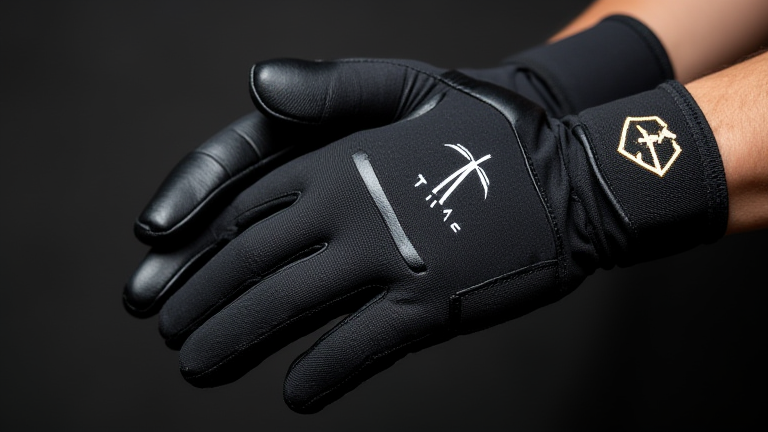
TL;DR: The Omaha Police Department has officially discontinued the use of shock gloves, a decision driven by evolving legal standards and a focus on non-lethal de-escalation techniques. This shift reflects a broader public safety trend prioritizing officer and community well-being through reduced reliance on invasive electronic control devices.
The Implications of Policy Change
The decision by the Omaha Police Department (OPS) to discontinue shock gloves marks a significant pivot in law enforcement tactics. While these devices were originally introduced as less-lethal alternatives to firearms, their long-term physiological and psychological impacts on both officers and civilians have come under intense scrutiny. For the general public, this news is more than a bureaucratic update; it signals a changing landscape in how safety and authority are negotiated in urban spaces. Understanding the health and wellness implications of such policy changes is crucial for anyone interested in community safety, public health, or the psychological aspects of policing. A calmer, less confrontational approach to law enforcement can reduce the collective stress burden on communities, fostering an environment where mental health and physical safety are more closely aligned.
If you want to dig deeper, check out our guide on Heat Danger for Over 60s: Study Warns of Risks at Lower Temp.
Science-Backed Stress Management for Communities
Community tensions can rise during periods of institutional change, but scientific research offers clear pathways to mitigate these effects. Chronic stress, often triggered by uncertainty or perceived threats, elevates cortisol levels, which can weaken the immune system and disrupt sleep patterns. To combat this, residents can adopt evidence-based lifestyle tips that promote resilience. First, prioritize regular physical activity. Engaging in moderate exercise, such as a thirty-minute brisk walk, releases endorphins and serotonin, natural chemicals that improve mood and reduce anxiety. Second, cultivate mindfulness practices. Techniques such as deep diaphragmatic breathing or meditation have been proven to lower heart rate and blood pressure, helping individuals maintain calm in uncertain times. Third, strengthen social connections. Isolation exacerbates stress, so staying engaged with neighbors and community groups provides a vital support network. Finally, ensure adequate sleep hygiene. Poor sleep amplifies stress responses, so maintaining a consistent sleep schedule is essential for emotional regulation. By focusing on these personal health pillars, individuals can build the mental and physical resilience needed to navigate societal shifts effectively.
Lifestyle Tips for Enhanced Well-Being
Integrating these health-focused strategies into daily life creates a buffer against external stressors. Nutrition plays a pivotal role; consuming a diet rich in omega-3 fatty acids, found in fish and nuts, supports brain health and reduces inflammation. Hydration is equally important, as even mild dehydration can impair cognitive function and increase feelings of fatigue. Additionally, limiting exposure to sensationalized media coverage can prevent unnecessary anxiety spikes. Instead, seek out balanced, fact-based sources to stay informed without becoming overwhelmed. By taking proactive steps to manage personal health, citizens contribute to a more stable and resilient community environment. This holistic approach to wellness not only benefits the individual but also supports the broader goal of peaceful coexistence and safety that the OPS policy change aims to achieve.
FAQ
Q: Why did Omaha Police discontinue shock gloves?
A: The decision was driven by legal challenges, concerns over long-term health impacts, and a strategic shift toward non-lethal de-escalation methods.
Q: Does this policy change affect public safety?
A: While concerns exist, the shift aims to reduce unnecessary force, potentially lowering community stress and improving long-term trust and safety.
Q: How can I manage stress from local news changes?
A: Practice mindfulness, maintain regular exercise, limit media consumption, and prioritize sleep to reduce cortisol levels and improve emotional resilience.
Leave a Reply