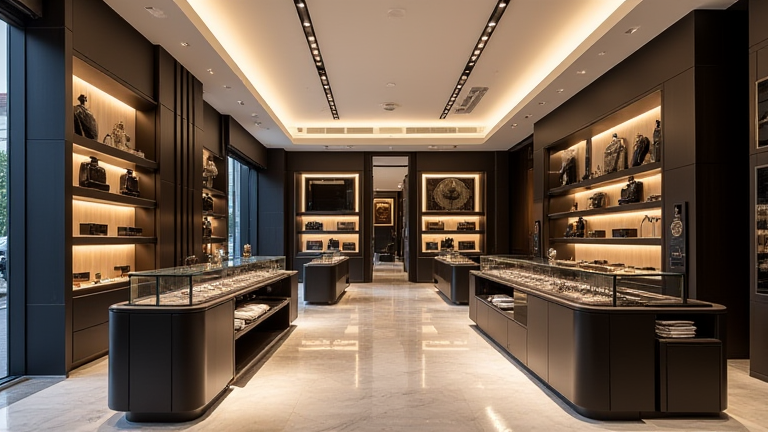
TL;DR: Online-only luxury brands are disrupting the traditional retail model by prioritizing digital exclusivity, direct-to-consumer efficiency, and hyper-personalized virtual experiences over physical storefronts. This shift allows for higher profit margins, reduced operational overhead, and a more sustainable approach to high-end fashion, fundamentally changing how consumers perceive and purchase premium goods.
The Digital Shift in High Fashion
The landscape of luxury retail is undergoing a seismic transformation. Traditionally, the definition of luxury was inextricably linked to physical presence: marble floors, velvet ropes, and face-to-face consultations with knowledgeable sales associates. However, a new wave of online-only luxury brands is challenging this century-old paradigm. These digital-native entities are not merely replicating brick-and-mortar experiences on screens; they are redefining what it means to be a luxury brand in the 21st century. By eliminating the costs associated with prime real estate and extensive staff training, these companies can reinvest significantly into product quality, marketing, and technological innovation. This model appeals particularly to younger, tech-savvy demographics who value convenience, transparency, and unique digital interactions over traditional pomp.
If you want to dig deeper, check out our guide on AMA Kenny Brown & Hamet Watt | /r/Entrepreneur Podcast Ep 00.
Technological Specifications and Innovations
To bridge the sensory gap left by the absence of physical stores, these brands are leveraging cutting-edge technology. Augmented Reality (AR) try-on features allow customers to visualize how high-end eyewear, watches, or jewelry looks on their faces with startling accuracy. Virtual Showrooms, built on WebGL and 3D rendering engines, offer immersive environments where users can navigate through meticulously designed digital spaces. Furthermore, blockchain technology is being utilized to provide immutable proof of authenticity, a critical concern in the luxury market. Each product is assigned a unique digital token, ensuring traceability from creation to delivery. Artificial Intelligence algorithms analyze user behavior to offer hyper-personalized recommendations, mimicking the attentive service of a personal shopper. These specifications are not just gimmicks; they are essential tools for building trust and engagement in a digital-first ecosystem. The integration of these technologies ensures that the customer journey remains seamless, secure, and visually captivating, rivaling the sensory richness of physical boutiques.
Industry Impact and Future Outlook
The rise of online-only luxury brands has profound implications for the entire industry. Established heritage houses are now forced to accelerate their digital transformations or risk irrelevance. The pressure to create compelling digital narratives is leading to a convergence of fashion, tech, and entertainment. Sustainability is another significant impact. By reducing the carbon footprint associated with physical store operations and minimizing inventory waste through data-driven production, these brands are appealing to environmentally conscious consumers. Moreover, the democratization of access means that luxury is no longer geographically restricted. A customer in a remote area can access the same exclusive collections as someone in Paris or Milan. This global reach expands the total addressable market significantly. As virtual reality technologies continue to evolve, we can expect the line between physical and digital luxury to blur further. The future may hold holographic fittings and metaverse-exclusive collections, making the concept of a “store” obsolete. The industry is moving towards a model where experience and digital identity are as valuable as the physical product itself.
FAQ
Q: How do online-only luxury brands ensure product authenticity?
A: They utilize blockchain technology to create immutable digital certificates of authenticity for each item, allowing customers to verify provenance and ownership instantly.
Q: Can customers try on products before buying if there is no physical store?
A: Yes, most brands offer advanced Augmented Reality (AR) tools and virtual try-on features that allow users to visualize products on themselves using their smartphone cameras or webcams.
Q: Are online-only luxury brands more sustainable than traditional retailers?
A: Generally, yes. By eliminating energy-intensive physical stores and reducing inventory waste through data-driven production, these brands often have a lower environmental footprint, though shipping logistics remain a factor.
Leave a Reply