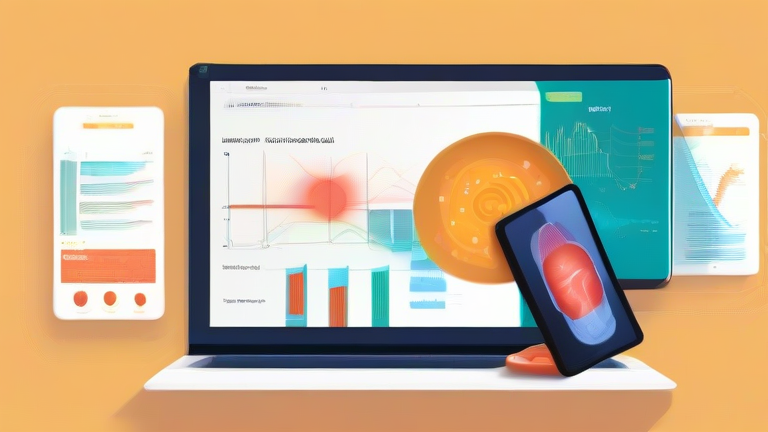
Mental Health Apps: Real-Time Biofeedback Integration
The landscape of digital mental health is undergoing a radical transformation, shifting from passive tracking to active physiological intervention. The latest generation of mental health applications no longer relies solely on user-reported mood journals or generic breathing exercises. Instead, these platforms are integrating sophisticated real-time biofeedback mechanisms, leveraging the sensor capabilities of modern wearables to create closed-loop therapeutic systems. This convergence of clinical psychology and advanced biometrics represents a significant leap forward in accessible, personalized care.
At the core of this development is the seamless integration of electrodermal activity (EDA), heart rate variability (HRV), and skin temperature data. Leading developers are now utilizing machine learning algorithms to interpret these physiological signals instantly. For instance, when an app detects a spike in EDA indicative of acute stress or anxiety, it can trigger immediate, adaptive interventions. These might include guided audio cues, haptic feedback patterns, or micro-meditations tailored to the user’s current physiological state. The technology moves beyond simple data visualization, offering proactive support before a user might even consciously recognize their escalating distress levels.
If you want to dig deeper, check out our guide on Sustainable Aviation Fuel Becomes the New Standard.
Spec-wise, the latest generation of biofeedback-enabled apps requires high-fidelity data streams. Developers are partnering with major hardware manufacturers to ensure low-latency data transmission. Key specifications include sub-second processing times for heart rate variability analysis and high-resolution galvanic skin response monitoring. Furthermore, privacy is paramount. These apps now employ on-device edge computing to process sensitive biometric data locally, ensuring that raw physiological data never leaves the user’s device unless explicitly shared with a healthcare provider. This end-to-end encryption and local processing model address growing consumer concerns regarding data security in the health-tech sector.

The industry impact of this shift is profound. Insurance providers are beginning to recognize the efficacy of these integrated systems, potentially offering premium reductions for users who engage with clinically validated biofeedback apps. Moreover, mental health professionals are adopting these tools as adjuncts to traditional therapy, allowing them to monitor patient progress between sessions with objective data rather than subjective recall. This data-driven approach not only enhances treatment personalization but also facilitates early intervention for at-risk populations. As regulatory
Leave a Reply