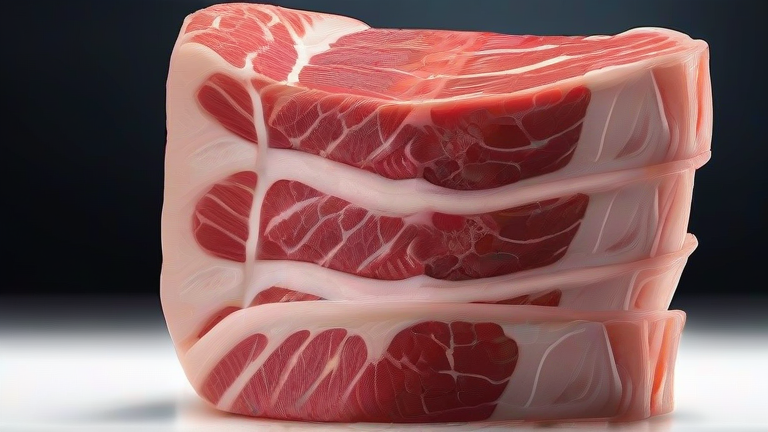
TL;DR: Lab-grown meat is transitioning from niche novelty to supermarket staple, offering consumers a sustainable, cruelty-free protein alternative with nearly identical taste profiles. This shift signals a major disruption in traditional agriculture, promising lower environmental impact and potentially reduced costs as production scales.
The Rise of Cellular Agriculture
The culinary landscape is undergoing a seismic shift. What was once the realm of sci-fi fiction is now appearing on dinner plates in select markets across Singapore, the United States, and Israel. Lab-grown meat, scientifically known as cultivated meat, is no longer just a laboratory experiment; it is a commercial reality. Recent market analysis indicates that the global cultivated meat market is projected to reach $14 billion by 2030, growing at a compound annual growth rate of over 25%. This explosive growth is driven by increasing consumer awareness of climate change, animal welfare concerns, and food security issues.

Industry experts predict that mainstream adoption will accelerate significantly within the next five years. Dr. Elena Rossi, a leading food technologist at the Institute for Future Foods, states, “We are at the inflection point. The technology has matured, and the regulatory frameworks are solidifying. Consumers are ready for a product that offers the same indulgence as traditional meat without the ethical and environmental baggage.” This sentiment is echoed by major fast-food chains that have already begun limited test launches, signaling a broader commercial confidence in the sector.
Looking Ahead
Looking forward, the integration of cultivated meat into everyday diets will likely redefine supply chains. Traditional livestock farmers may face pressure to adapt, while tech companies will invest heavily in bioreactor efficiency. The primary challenge remains cost reduction; currently, cultivated meat is significantly more expensive than conventional alternatives. However, as economies of scale kick in, prices are expected to drop by 90% over the next decade, making it accessible to the average household. For the consumer, this means more choices, fewer carbon footprints, and a more resilient food system. The era of lab-grown meat is not just coming; it is here, reshaping how we think about nutrition, sustainability, and the future of food production.
FAQ
Q: Is lab-grown meat safe to eat?
A: Yes, regulatory bodies like the FDA and USDA strictly oversee its production, ensuring it is biologically identical and safe for human consumption.
If you want to dig deeper, check out our guide on Lab-Grown Meat Hits Cost Parity With Beef.
Q: Does it taste different from regular meat?
A: No, it is genetically identical to animal meat, offering the same texture and flavor profile without the use of animals.
Q: When will it be cheaper than traditional meat?
A: Experts predict price parity with conventional meat within the next decade as production technologies scale up and become more efficient.
Leave a Reply