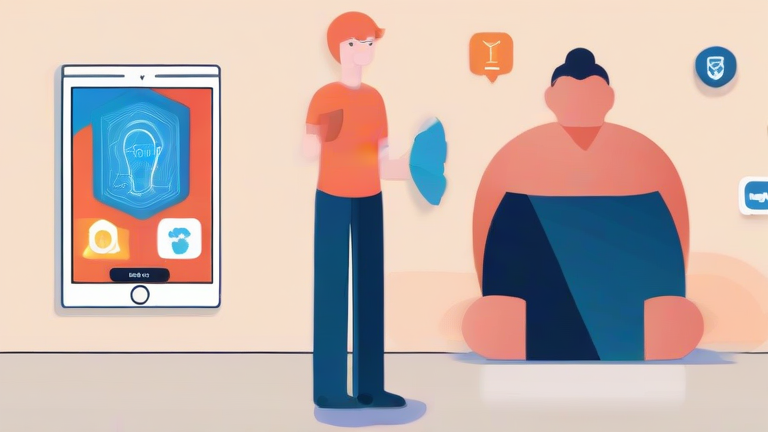
TL;DR: Mental health apps integrate with wearable biometrics by syncing real-time physiological data, such as heart rate variability and sleep patterns, to provide personalized stress management insights. This seamless connection allows users to correlate emotional states with physical responses, enabling proactive adjustments to daily habits for improved well-being.
The Rhythm of Inner Peace
In the bustling heart of Kyoto, amidst the serene whisper of bamboo forests, modern wellness is finding its voice not through silence alone, but through the quiet hum of technology. For years, travelers sought enlightenment in meditation cushions and temple gardens. Today, the journey to mental clarity is increasingly augmented by the sleek bands on our wrists and the intuitive algorithms in our pockets. This fusion of ancient mindfulness and cutting-edge biometrics is reshaping how we understand personal growth and cultural immersion.
If you want to dig deeper, check out our guide on Redefining Luxury Fashion With Circular Economy Models.

Imagine sipping matcha in a historic tea house, your smartwatch quietly monitoring your heart rate variability. As the ambient noise of the city fades, the device detects a spike in stress, perhaps triggered by a sudden announcement or internal anxiety. Simultaneously, your mental health app receives this data. It does not merely record the number; it contextualizes it. Within moments, a gentle notification suggests a three-minute breathing exercise tailored to your current physiological state. This is not about surveillance; it is about awareness.
Culinary Mindfulness
Food, too, becomes a participant in this holistic ecosystem. In cities like San Francisco, where farm-to-table dining meets tech innovation, restaurants are beginning to acknowledge the mind-body connection. Diners can now track how specific meals affect their sleep quality and stress levels over time. A heavy, carb-rich lunch might correlate with afternoon fatigue detected by your wearable, while a light, nutrient-dense salad supports steady energy and calm focus. By integrating this data, mental health platforms offer nutritional advice that aligns with emotional stability, turning every meal into an act of self-care.
This integration extends beyond individual health into cultural experiences. Travelers are no longer just passive observers of foreign cultures; they are active participants in their own well-being. Whether hiking in the Swiss Alps or exploring the markets of Marrakech, wearables provide a continuous thread of data. This allows for a deeper appreciation of the present moment. When you know your body is relaxed and your mind is clear, the beauty of a sunset or the taste of a local dish feels more profound. Technology, when used wisely, removes the barrier between physical sensation and mental recognition.
Ultimately, the goal is not to become dependent on data, but to use it as a mirror. It reflects patterns we might otherwise ignore, guiding us toward habits that nurture resilience. As we navigate a fast-paced world, this synergy between mental health apps and wearable biometrics offers a compass. It points us toward balance, reminding us that true wellness is a harmonious blend of technology and tradition, data and intuition.
FAQ
Q: How do mental health apps access data from wearables?
A: They connect via Bluetooth or Wi-Fi using APIs provided by the wearable manufacturer, allowing secure data transfer between the device and the app.
Q: Is the biometric data shared with third parties?
A: Reputable apps adhere to strict privacy policies and GDPR regulations, ensuring that sensitive health data remains encrypted and private unless explicit consent is given.
Q: Can these tools replace professional therapy?
A: No, they are designed to supplement professional care by providing daily insights and coping strategies, but they cannot diagnose or treat clinical mental health conditions.
Leave a Reply