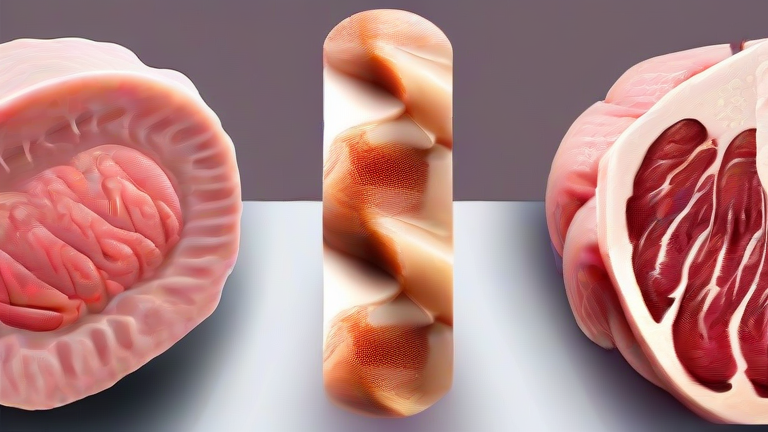
Lab-Grown Meat Gains Global Regulatory Approval
The culinary and agricultural landscapes are on the brink of a historic transformation. For decades, the concept of cultivating meat from animal cells in a laboratory setting remained a futuristic novelty, often dismissed as science fiction. However, recent milestones in regulatory frameworks across Singapore, the United States, Israel, and parts of the European Union have shifted this narrative from theoretical possibility to tangible commercial reality. This global regulatory approval marks a pivotal moment for the cultivated protein industry, signaling that the era of lab-grown meat is no longer just emerging; it is here.

Market data supports this rapid acceleration. According to recent industry reports, the global cultivated meat market is projected to reach a valuation of $14 billion by 2030, growing at a compound annual growth rate (CAGR) of over 20%. This exponential growth is driven not only by regulatory clarity but also by increasing consumer demand for sustainable, ethical, and safe protein sources. Traditional livestock farming accounts for nearly 14.5% of global greenhouse gas emissions, a statistic that has prompted governments and consumers alike to seek viable alternatives. Lab-grown meat offers a compelling solution, requiring significantly less land and water while eliminating the need for antibiotics and reducing carbon footprints by up to 90% compared to conventional beef production.
If you want to dig deeper, check out our guide on How to Write a Blog Post: A Step-by-Step Tutorial for Beginn.
Industry experts emphasize that the recent approvals are just the beginning of a longer journey. Dr. Elena Rossi, a leading biotech analyst at Future Food Insights, notes, “Regulatory approval is the green light, but scaling production is the real challenge. The next five years will determine whether cultivated meat can move from niche luxury items to mainstream staples on dinner tables worldwide.” She highlights that the key to mass adoption lies in achieving price parity with traditional meat. Currently, the high cost of production remains a barrier, but technological advancements in bioreactor efficiency and serum-free culture media are rapidly driving costs down.
Looking ahead, predictions suggest that within the next decade, we will see a diversified protein ecosystem. While lab-grown meat may not entirely replace traditional farming, it will likely dominate specific sectors, such as ground beef applications and specialty cuts, where safety and consistency are
Leave a Reply