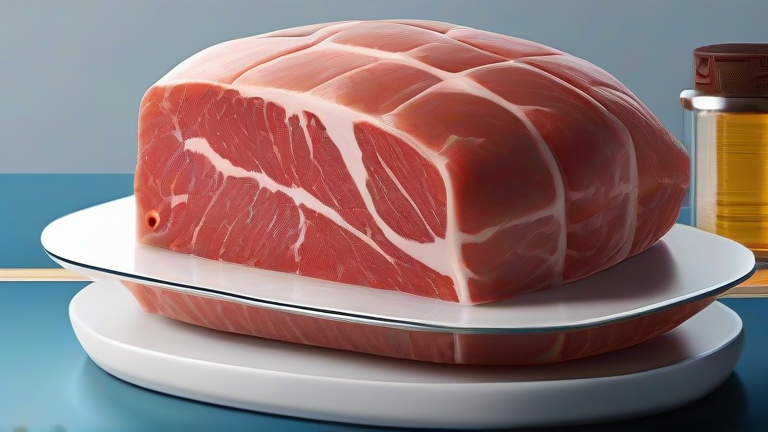
Lab-Grown Meat Gains Global Regulatory Approval

The landscape of global food production is undergoing a seismic shift, marked by a historic milestone in the culinary and agricultural sectors. For the first time, multiple sovereign nations have granted full regulatory approval for the commercial sale of lab-grown meat, signaling the end of an experimental era and the beginning of a scalable industry. This convergence of regulatory green lights from jurisdictions in Singapore, the United States, and Israel represents a critical inflection point for cellular agriculture, transforming it from a scientific curiosity into a viable commercial enterprise.
According to recent market analysis, the global cultivated meat market is projected to expand at a compound annual growth rate (CAGR) of approximately 24.5% through 2030. Current valuations place the industry at roughly $1.2 billion, a figure that experts predict will surge past $15 billion within the next decade. This exponential growth is not merely speculative; it is driven by tangible consumer demand for sustainable protein sources and significant venture capital inflows. Major investment firms have redirected billions of dollars toward biotech firms specializing in cell line development, bioreactor efficiency, and scaffolding materials. The regulatory approvals serve as a catalyst, reducing investment risk and encouraging larger institutional players to enter the market.
Industry experts emphasize that this regulatory milestone is more than a legal formality; it is a validation of safety and ethical standards. Dr. Elena Rostova, a leading analyst in food technology, states, “Approval is the bridge between laboratory success and supermarket shelves. It confirms that cultivated meat meets stringent health and safety protocols, alleviating consumer skepticism. The real challenge now shifts from regulatory compliance to economic viability and mass production scalability.” Her insights highlight that while the technology is proven, the infrastructure required to produce meat at a price point competitive with conventional livestock farming remains the primary hurdle.
The implications of this trend extend far beyond economics. The environmental benefits are substantial. Cultivated meat requires significantly less land and water compared to traditional animal husbandry and produces up to 90% fewer greenhouse gas emissions. As climate change intensifies, governments are increasingly viewing cellular agriculture as a strategic tool for food security
Leave a Reply