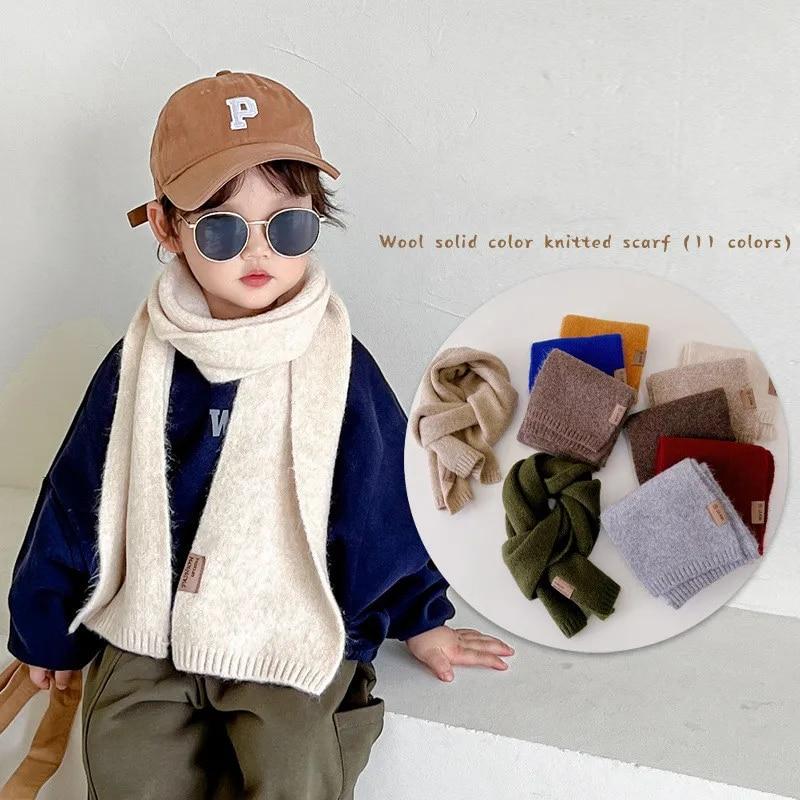
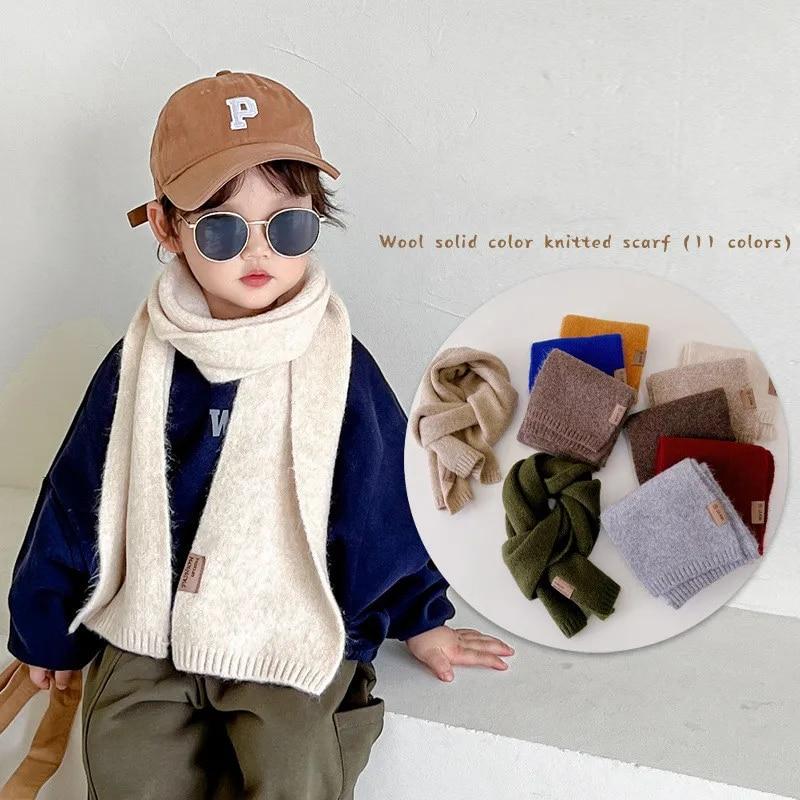
This is a lightweight neck accessory for children aged three to twelve, designed to retain heat during cool weather. It suits both genders and serves as a practical layer under coats or a stylistic finish to autumn and winter outfits, offering flexible warmth without the bulk of a full hood.
What to look for
Material Warmth
Wool blends provide superior insulation but may itch, while cotton is gentle on sensitive skin but offers less heat retention. Acrylic is a budget-friendly alternative that is easy to wash but retains less warmth over time compared to natural fibers.
Safety Features
Check for flat seams and a secure knot or buckle that does not pinch the neck. Avoid long, loose fringes that can tangle in zippers or buttons, which poses a minor entanglement risk for active toddlers and preschoolers.
Size and Fit
Measure the child’s neck circumference and add a few inches for a comfortable drape. The scarf should sit loosely enough to allow two fingers underneath, ensuring it does not constrict breathing or circulation during play.
Color Fastness
Inspect the dye quality by checking if the fabric bleeds on a damp white cloth. Stable colors are essential for frequent washing, as fading or bleeding can ruin other laundry items and reduce the garment’s visual appeal over time.
How to use it
Daily School Commute
Use a durable, easy-to-clean cotton or acrylic scarf for the walk to school. It should be sturdy enough to withstand rough handling and machine washing without losing its shape or color.
Outdoor Play
Choose a wool blend for active play in cold weather to maintain body heat. Ensure the length is short enough to prevent dragging on the ground, which reduces wear and tear and keeps the child’s feet safe.
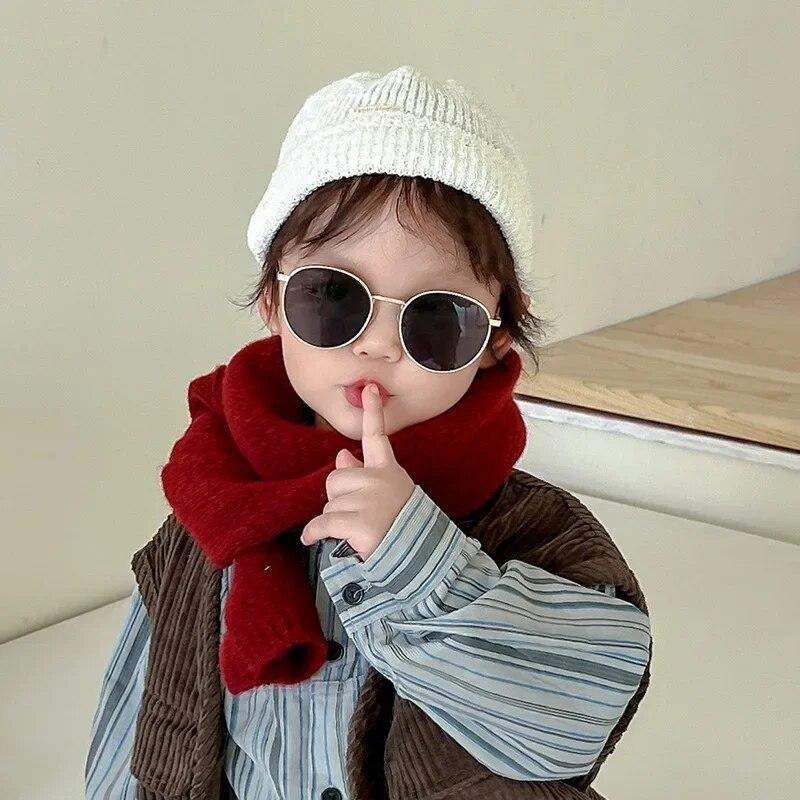
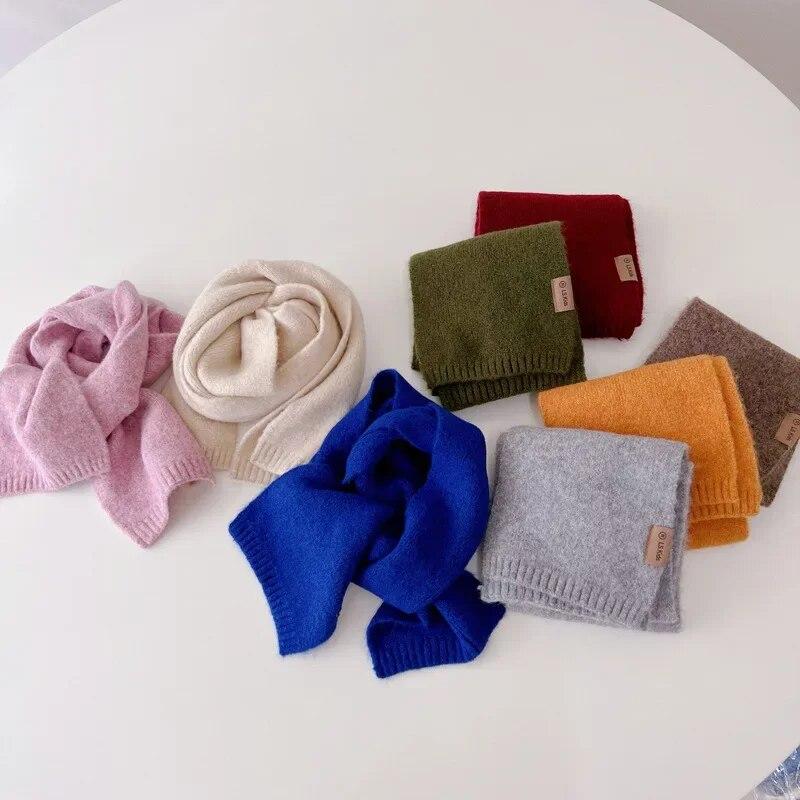
Product photos
At a glance
| Material | Cotton, wool blend, or acrylic |
|---|---|
| Typical size | Varies by age group, typically 100-150cm length |
| Best for | Autumn and winter daily wear |
| Where it fits | closet |
Frequently asked questions
Is wool safe for a child’s sensitive skin?
Pure wool can be itchy for some children. Look for merino wool or wool blends with a soft finish. If your child has sensitive skin, cotton or high-quality acrylic is often a more comfortable and less irritating option for daily use.
How do I clean a knitted scarf?
Most acrylic and cotton scarves are machine washable on a gentle cycle. Wool blends often require hand washing or a wool-specific cycle to prevent shrinking. Always air dry to maintain the shape and texture of the knit.
What length is best for a toddler?
A shorter loop scarf, often called a cowl, is safer for toddlers. It avoids long ends that can tangle in toys or clothing. Ensure the fit is snug but not tight to prevent any risk of choking or neck strain.
Verdict
Buy a cotton or acrylic scarf for everyday ease and budget. Choose wool only for extreme cold. Avoid overly long fringes for young children. Prioritize fit and material comfort over complex designs for practical daily use.
Product: Kids’ Winter Scarves: Material, Fit, and Style Trade-Offs Explained
View this product on TikTok Shop
Listing: https://shop.tiktok.com/view/product/1730346872077584652
Related guides
- 10 Proven Health Habits to Boost Your Energy and Longevity
- Hot Air Balloon Photo Frame Set: 3-Piece Value vs. Single Large Frames
- Llama 3 vs OpenAI: How Open-Weight Models Beat Closed APIs
{“@context”: “https://schema.org”, “@graph”: [{“@type”: “Article”, “headline”: “Kids’ Winter Scarves: Material, Fit, and Style Trade-Offs Explained”, “description”: “Compare cotton, wool, and acrylic kids’ scarves for autumn and winter. Learn how to choose the right fit, warmth, and safety features for boys and girls without”, “inLanguage”: “en”, “author”: {“@type”: “Organization”, “name”: “mambag.com”}}, {“@type”: “FAQPage”, “mainEntity”: [{“@type”: “Question”, “name”: “Is wool safe for a child’s sensitive skin?”, “acceptedAnswer”: {“@type”: “Answer”, “text”: “Pure wool can be itchy for some children. Look for merino wool or wool blends with a soft finish. If your child has sensitive skin, cotton or high-quality acrylic is often a more comfortable and less irritating option for daily use.”}}, {“@type”: “Question”, “name”: “How do I clean a knitted scarf?”, “acceptedAnswer”: {“@type”: “Answer”, “text”: “Most acrylic and cotton scarves are machine washable on a gentle cycle. Wool blends often require hand washing or a wool-specific cycle to prevent shrinking. Always air dry to maintain the shape and texture of the knit.”}}, {“@type”: “Question”, “name”: “What length is best for a toddler?”, “acceptedAnswer”: {“@type”: “Answer”, “text”: “A shorter loop scarf, often called a cowl, is safer for toddlers. It avoids long ends that can tangle in toys or clothing. Ensure the fit is snug but not tight to prevent any risk of choking or neck strain.”}}]}, {“@type”: “Product”, “name”: “Kids’ Winter Scarves: Material, Fit, and Style Trade-Offs Explained”, “description”: “This is a lightweight neck accessory for children aged three to twelve, designed to retain heat during cool weather. It suits both genders and serves as a practical layer under coats or a stylistic finish to autumn and winter outfits, offering flexible warmth without the bulk of a full hood.”, “image”: “https://p16-oec-va.ibyteimg.com/tos-maliva-i-o3syd03w52-us/0d287b47e23f4e2c9ebb6eb4993997f7~tplv-o3syd03w52-origin-jpeg.jpeg?dr=15568&from=520841845&idc=my&ps=933b5bde&shcp=2c1af732&shp=1f0b6a75&t=555f072d”, “offers”: {“@type”: “Offer”, “availability”: “https://schema.org/InStock”}}]}
Leave a Reply