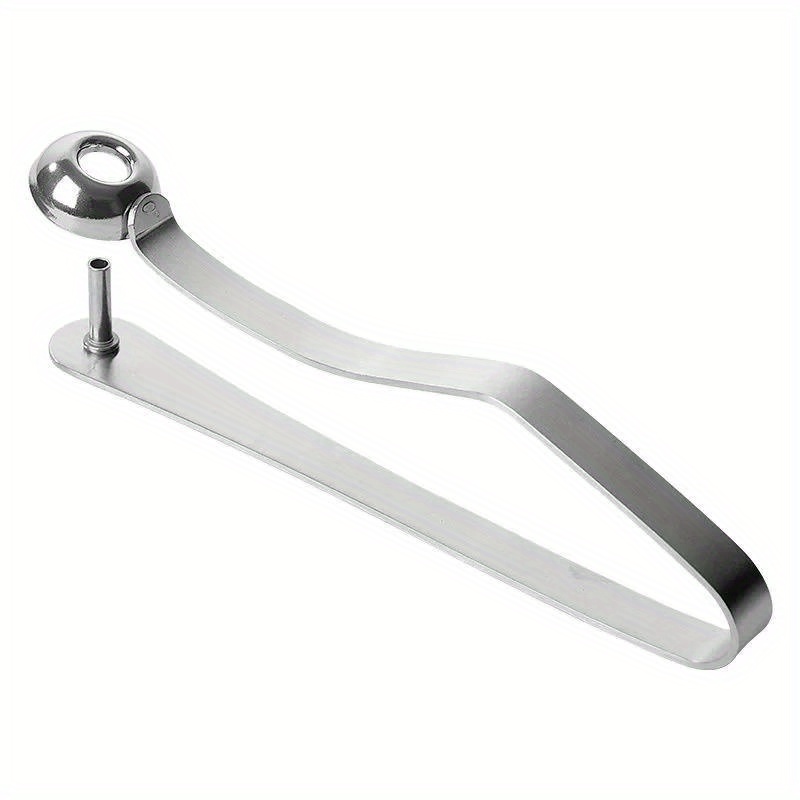
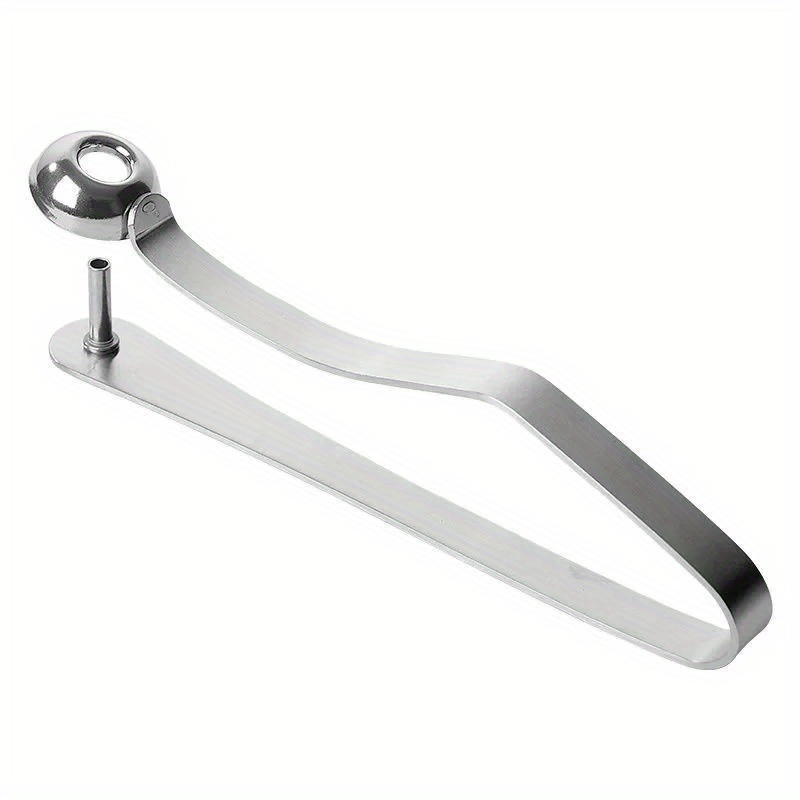
This tool removes pits from jujubes, cherries, and similar small fruits using a hand-press mechanism. It is ideal for home cooks preparing dried fruits or preserves who want to save time over manual pitting. The stainless steel version offers superior durability for heavy daily use.
What to look for
Material Durability
Stainless steel bodies resist warping better than plastic handles under repeated pressure. Check that the pitting rod is solid metal to prevent bending during stubborn pits.
Grip Ergonomics
Look for a textured or rubberized grip zone to prevent slipping when hands are damp. A wider base provides better stability on the countertop than narrow stands.
Mechanism Type
Verify if the tool uses a simple lever or a spring-loaded plunger. Spring-loaded versions reduce hand fatigue but may be bulkier to store than manual levers.
Cleaning Access
Ensure the pit collection chamber is removable or has a wide opening. Complex internal mechanisms can trap fruit juice and pit fragments, making hygiene difficult.
How to use it
Batch Drying Prep
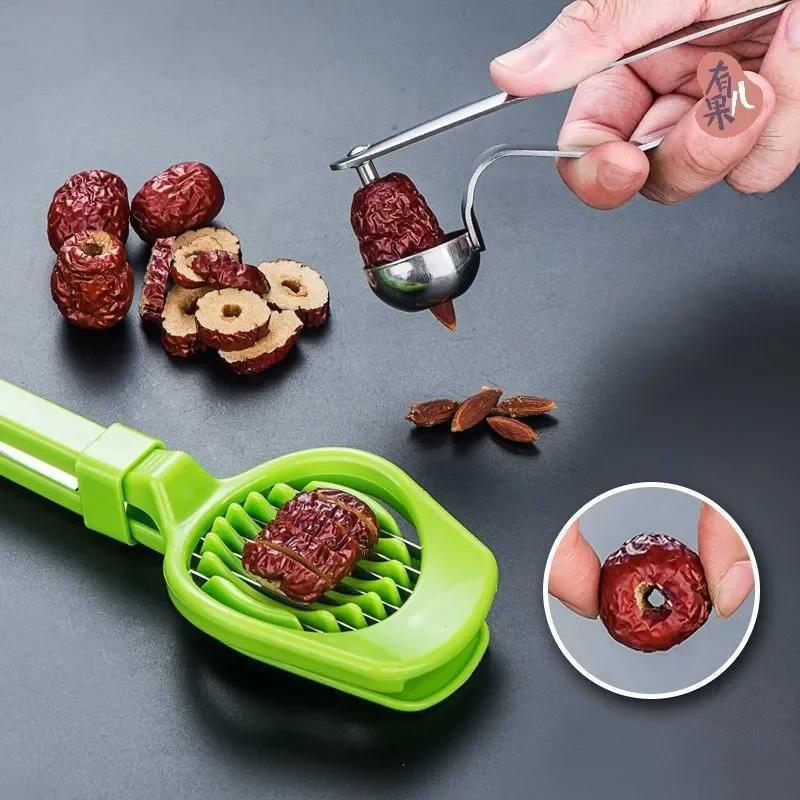
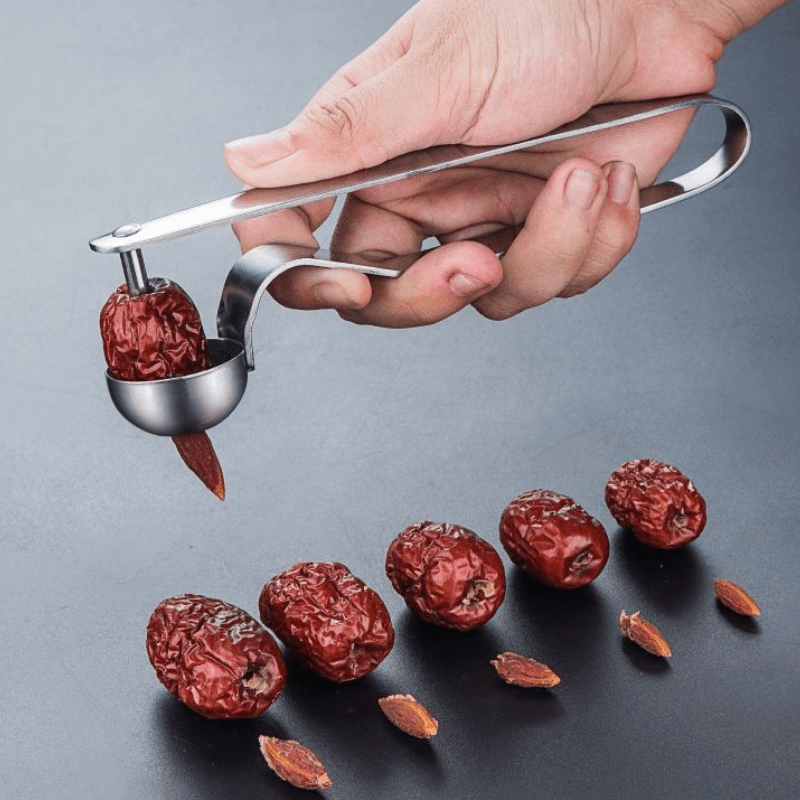
Place the device on a stable cutting board and load multiple fruits into the tray if the design allows. Press down firmly to eject pits into a bowl placed underneath for easy cleanup.
Cherry Preserves
Use the tool to process fresh cherries before cooking. The consistent pressure ensures the pit separates cleanly from the flesh, reducing mess in the jam pot.
Gift Preparation
Prepare pitted jujubes for gifting by running them through the device quickly. The uniform pitting makes the fruit look professional and ready for immediate consumption.
Product photos
At a glance
| Material | Stainless steel frame, food-grade plastic accents |
|---|---|
| Typical size | Compact, fits in standard utensil drawer |
| Best for | Jujubes, cherries, olives, small plums |
| Where it fits | pantry or under-desk storage |
Frequently asked questions
Is a steel pitter worth it over a plastic one?
For occasional use, a sturdy plastic tool is sufficient and cheaper. However, steel tools last longer and handle tougher pits without cracking. If you process large volumes weekly, the metal build prevents wear and tear faster.
Can this tool pit cherries effectively?
Yes, most jujube pitters work well on cherries of similar size. The key is matching the fruit diameter to the tool’s hole. If the cherry is too large, it may jam; too small, and the pit may not eject fully.
How do I clean the device after use?
Disassemble the pit collection chamber if possible and rinse with warm soapy water. Avoid soaking the entire handle if it contains springs or moving parts. Dry thoroughly before storing to prevent rust on steel components.
Verdict
Buy the stainless steel version if you process fruit regularly. Casual users can save money with a plastic alternative. Choose based on volume and desire for long-term durability.
Product: Jujube Pitting Device Comparison: Steel vs. Plastic Tools for Home Use
Listing: https://www.temu.com/goods.html?goods_id=1630423231
Related guides
- Velvet Triangle Powder Puff vs Traditional Sponges: Comparison
- Modal Girls Dress Comparison: Trade-offs in Fit and Fabric Quality
- **Continuous Glucose Monitors Go Mainstream: What to Know** (54 chars)
{“@context”: “https://schema.org”, “@graph”: [{“@type”: “Article”, “headline”: “Jujube Pitting Device Comparison: Steel vs. Plastic Tools for Home Use”, “description”: “Compare stainless steel jujube pitters with plastic alternatives. Learn about material durability, grip comfort, and when a cheaper tool is actually sufficient”, “inLanguage”: “en”, “author”: {“@type”: “Organization”, “name”: “mambag.com”}}, {“@type”: “FAQPage”, “mainEntity”: [{“@type”: “Question”, “name”: “Is a steel pitter worth it over a plastic one?”, “acceptedAnswer”: {“@type”: “Answer”, “text”: “For occasional use, a sturdy plastic tool is sufficient and cheaper. However, steel tools last longer and handle tougher pits without cracking. If you process large volumes weekly, the metal build prevents wear and tear faster.”}}, {“@type”: “Question”, “name”: “Can this tool pit cherries effectively?”, “acceptedAnswer”: {“@type”: “Answer”, “text”: “Yes, most jujube pitters work well on cherries of similar size. The key is matching the fruit diameter to the tool’s hole. If the cherry is too large, it may jam; too small, and the pit may not eject fully.”}}, {“@type”: “Question”, “name”: “How do I clean the device after use?”, “acceptedAnswer”: {“@type”: “Answer”, “text”: “Disassemble the pit collection chamber if possible and rinse with warm soapy water. Avoid soaking the entire handle if it contains springs or moving parts. Dry thoroughly before storing to prevent rust on steel components.”}}]}, {“@type”: “Product”, “name”: “Jujube Pitting Device Comparison: Steel vs. Plastic Tools for Home Use”, “description”: “This tool removes pits from jujubes, cherries, and similar small fruits using a hand-press mechanism. It is ideal for home cooks preparing dried fruits or preserves who want to save time over manual pitting. The stainless steel version offers superior durability for heavy daily use.”, “image”: “https://img.cdnfe.com/product/open/d386b73c77dd4d89b5fb6c1502ef4305-goods.jpeg”, “offers”: {“@type”: “Offer”, “availability”: “https://schema.org/InStock”}}]}
Leave a Reply