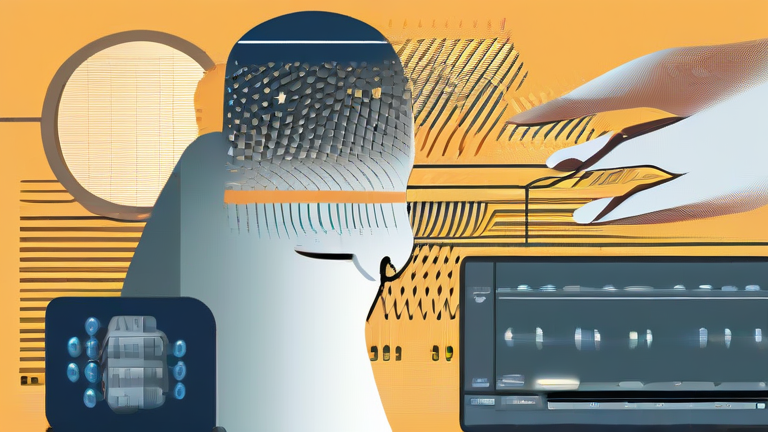
How Neural Interfaces Enable Direct Brain-Computer Control
The boundary between human cognition and digital machinery is dissolving, marking a paradigm shift in how we interact with technology. Neural interfaces, once the realm of science fiction, have matured into tangible medical and consumer technologies that allow for direct brain-computer control. This evolution represents more than just incremental hardware improvements; it signifies a fundamental rethinking of input and output mechanisms in the digital age. By bypassing traditional motor pathways, these devices interpret neural signals to execute commands, offering unprecedented opportunities for accessibility and enhanced human capability.

Recent developments in non-invasive and minimally invasive technologies have accelerated this transition. Companies like Neuralink and Synchron are leading the charge with high-bandwidth, wireless implants that can transmit thousands of data points per second. The latest iterations boast improved biocompatibility, utilizing flexible polymer threads that minimize glial scarring, thereby ensuring longer device lifespan and signal stability. These implants feature thousands of micro-electrodes capable of recording from individual neurons with high fidelity. The data is processed locally using onboard machine learning algorithms, which translate complex neural patterns into actionable digital commands, such as cursor movement or text input, with latency under ten milliseconds.
If you want to dig deeper, check out our guide on Top 10 Emerging Trends Shaping the Future in 2024.
From a technical specification standpoint, the focus has shifted from raw channel count to efficiency and power management. Modern interfaces consume less than fifty milliwatts of power, enabling all-day operation via small, rechargeable batteries. Wireless transmission protocols have been refined to reduce interference and enhance security, addressing previous concerns regarding data privacy and hacking vulnerabilities. Furthermore, the integration of adaptive feedback loops allows the system to learn from the user’s neural behavior, continuously optimizing performance and reducing the cognitive load required to operate the device. This adaptability is crucial for long-term usability, ensuring that the interface becomes an intuitive extension of the user’s intent.
The industry impact of these advancements is profound. In healthcare, neural interfaces are restoring autonomy to individuals with paralysis, ALS, and spinal cord injuries. Patients can now control robotic limbs, operate smart home devices, or communicate via text using only their thoughts. Beyond medical applications, the potential for cognitive enhancement and seamless human
Leave a Reply