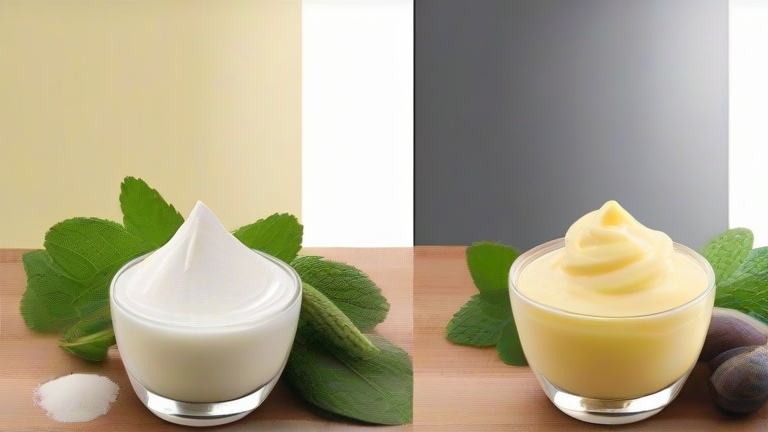
TL;DR: Greek yogurt provides significantly higher protein and lower sugar content per unit volume compared to buttermilk, making it superior for muscle recovery and weight management. Buttermilk offers a lighter profile with more calcium and probiotics, ideal for hydration and digestive health, though its volume-based comparison requires careful metric conversion.
The Nutritional Specs: A Direct Comparison
In the rapidly evolving landscape of functional dairy, consumers are increasingly scrutinizing the micronutrient profiles of traditional fermented products. When comparing 100g of Greek yogurt against 250ml of traditional buttermilk, the data reveals distinct nutritional architectures. Greek yogurt, typically strained to remove whey, concentrates its protein content. A standard 100g serving of plain, non-fat Greek yogurt contains approximately 10 grams of protein, 3.6 grams of carbohydrates, and 0.4 grams of fat, with a caloric count hovering around 59 kcal. In contrast, 250ml (approximately 240-250g) of low-fat buttermilk contains roughly 8.5 grams of protein, 12 grams of carbohydrates (primarily lactose), and 2.5 grams of fat, totaling about 90-100 kcal depending on the fat content. This comparison highlights that Greek yogurt is nearly twice as protein-dense per gram, while buttermilk provides a more substantial volume of liquid calories and carbohydrates.
If you want to dig deeper, check out our guide on BIFL Products Not Made in USA: The Complete List.

Latest Developments in Fermentation Technology
Recent advancements in probiotic strain engineering have shifted the industry focus from mere taste to targeted health benefits. New research indicates that specific strains of Lactobacillus found in traditional buttermilk may offer superior gut barrier integrity benefits compared to the more common strains in commercial Greek yogurts. Meanwhile, manufacturers are utilizing ultra-filtration technologies to create Greek yogurts with even higher protein concentrations without adding artificial stabilizers. This technological leap has allowed brands to market “clean label” high-protein options that compete directly with whey protein isolates, a trend that is reshaping the sports nutrition sector. The convergence of culinary tradition and biotechnology is creating hybrid products that aim to capture the high-protein appeal of Greek yogurt while retaining the digestive benefits of buttermilk.
Industry Impact and Market Dynamics
The competitive tension between these two dairy staples is influencing supply chain strategies globally. As plant-based alternatives struggle to replicate the exact texture of Greek yogurt, traditional dairy producers are leveraging the functional benefits of both products to maintain market share. Retailers are responding by creating dedicated “high-protein” aisles where Greek yogurt dominates, while buttermilk is often relegated to baking sections or health-conscious beverage fridges. This segregation reflects consumer perception: Greek yogurt is viewed as a meal replacement or post-workout fuel, whereas buttermilk is seen as a culinary ingredient or a refreshing, low-calorie drink. The industry is now witnessing a rise in fortified buttermilk drinks, which are being positioned as direct competitors to flavored Greek yogurt drinks, blurring the lines between these categories.
FAQ
Q: Is Greek yogurt healthier than buttermilk?
A: Neither is inherently healthier; Greek yogurt is better for high-protein diets and muscle building, while buttermilk is better for hydration and probiotic intake with fewer calories per serving.
Q: Can I substitute buttermilk for Greek yogurt in recipes?
A: No, they have different viscosities and acidities; buttermilk is too thin for most dips or spreads, while Greek yogurt cannot replace the leavening function of buttermilk in baked goods without adjustment.
Q: Which has more probiotics?
A: Traditional buttermilk often contains a wider variety of natural lactic acid bacteria, whereas many commercial Greek yogurts use standardized strains
Leave a Reply