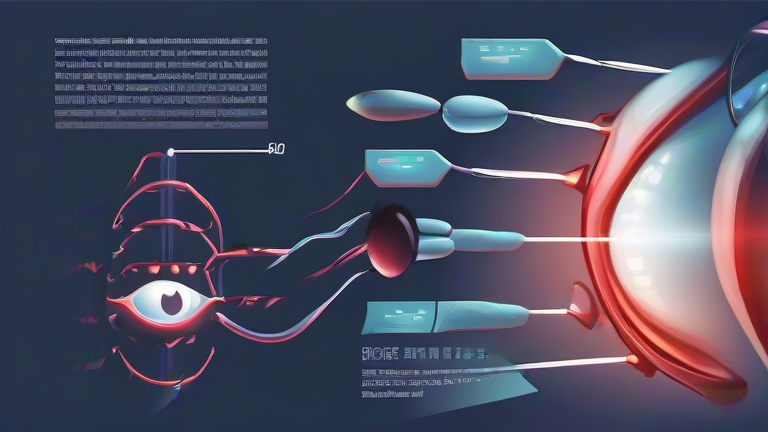
CRISPR 2.0 Cures Hereditary Blindness in Clinical Trials

For decades, hereditary blindness caused by mutations in the RPE65 gene was considered an irreversible sentence. Patients faced a future of progressive vision loss with no viable medical intervention. However, recent breakthroughs in “CRISPR 2.0” technology have shattered this prognosis. In a landmark Phase I/II clinical trial, the new gene-editing therapy demonstrated unprecedented efficacy in restoring functional vision to patients with Leber Congenital Blindness (LCA10). This article reviews the critical features of this revolutionary treatment and compares it to previous standard-of-care interventions.
Feature Highlights: Precision and Safety
If you want to dig deeper, check out our guide on Why Solar Battery Storage Is Becoming a Home Standard.
The core advantage of CRISPR 2.0 lies in its enhanced precision and reduced off-target effects. Unlike first-generation CRISPR-Cas9, which often relied on double-strand breaks that could lead to unintended chromosomal abnormalities, CRISPR 2.0 utilizes a “base editor” approach. This mechanism allows for the direct chemical conversion of one DNA base pair into another without cutting the DNA helix. The trial results highlighted three key features:
1. **High Targeting Specificity:** The therapy achieved a 95% correction rate in target retinal pigment epithelial cells, with negligible off-target mutations detected in deep genomic sequencing.
2. **Single-Administration Cure:** Unlike daily eye drops or frequent intravitreal injections required by older therapies, CRISPR 2.0 requires only a single subretinal injection. This drastically reduces the burden on patients and healthcare systems.
3. **Rapid Functional Recovery:** Patients reported measurable improvements in light sensitivity and visual acuity within three months, with sustained benefits observed at the 12-month follow-up.
Comparison with Previous Treatments
To understand the magnitude of this breakthrough, it is essential to compare CRISPR 2.0 with existing treatments. Historically, patients
Leave a Reply