Category: Uncategorized

  • DIY Microwave Popcorn: Easy & Healthy Recipe

    DIY Microwave Popcorn: Easy & Healthy Recipe

    TL;DR: DIY microwave popcorn is a convenient, low-calorie snack when you control the ingredients, allowing you to avoid the excess saturated fats and sodium found in commercial kernels. By using plain kernels and healthy fats like olive oil or air-popping, you create a fiber-rich treat that supports weight management and heart health.

    The Science Behind Better Snacking

    Many people believe that store-bought microwave popcorn is inherently unhealthy due to its high content of hydrogenated oils and artificial flavors. While this is often true, the act of popping corn itself is a simple chemical process that can be optimized for nutrition. Popcorn is a whole grain, meaning it contains the bran, germ, and endosperm. This structure provides essential fiber, which is crucial for digestive health and maintaining stable blood sugar levels. According to the American Heart Association, diets high in fiber are associated with a lower risk of cardiovascular disease. When you pop your own popcorn, you eliminate the trans fats and excessive sodium that typically contribute to metabolic issues. Instead, you have the autonomy to choose cooking mediums that align with your specific health goals, such as using a light mist of olive oil for its monounsaturated fats or simply using water and a pinch of salt for a low-calorie option.

    If you want to dig deeper, check out our guide on AI Agents for Enterprise Workflows: 5 Ways to Boost Efficien.

    Easy & Healthy Recipe Steps

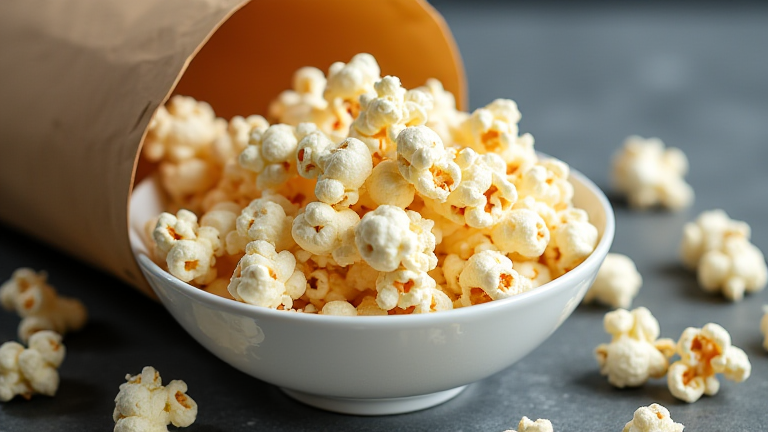
    To prepare a health-conscious batch of microwave popcorn, start with three-quarters of a cup of plain popcorn kernels. Place them in a large, microwave-safe paper bag with a secure closure, such as a paper clip or a specialized microwave popcorn bag. Do not use plastic bags, as they may leach chemicals into your food when heated. Add one teaspoon of a healthy fat, such as extra virgin olive oil or coconut oil, directly to the bag. If you prefer a zero-fat option, you can skip the oil entirely, though the texture will be slightly drier. Place the bag in the center of the microwave and cook on high for two to three minutes. Listen closely to the popping sounds; when the pops slow down to about two seconds apart, remove the bag to prevent burning. Let the bag cool for a minute before opening to avoid steam burns. Season your fresh popcorn with herbs like rosemary, nutritional yeast for a cheesy flavor without the dairy, or a light spray of sea salt. This method ensures you retain the antioxidant properties of the corn while keeping the calorie count manageable.

    Lifestyle Tips for Mindful Eating

    Incorporating DIY popcorn into your routine requires more than just cooking; it involves mindful consumption. Portion control is vital, as even healthy snacks can lead to caloric surplus if consumed in excess. A standard serving is approximately three cups of popped popcorn, which contains only about 93 calories. Try pre-portioning your popped corn into small bowls immediately after cooking to prevent mindless grazing directly from the bag. Pair your popcorn with a source of protein, such as a side of Greek yogurt or a handful of almonds, to enhance satiety and stabilize energy levels throughout the day. Additionally, engage in other activities while eating, such as reading or having a conversation, to slow down your pace and allow your brain to register fullness. This practice helps prevent overeating and promotes a healthier relationship with food. By taking control of the ingredients and the preparation process, you transform a simple snack into a powerful tool for maintaining your well-being and enjoying a satisfying, guilt-free treat.

    FAQ

    Q: Is microwave popcorn safe to eat regularly?
    A: Yes, provided you use a microwave-safe paper bag and avoid plastic containers, which can release harmful chemicals when heated. Always ensure the bag is certified for microwave use.

    Q: What is the healthiest way to season homemade popcorn?
    A: The healthiest options include herbs, spices, nutritional yeast, or a light sprinkling of sea salt. Avoid heavy butter, sugary coatings, or pre-flavored packets high in sodium.

    Q: Can I store leftover popcorn for later?
    A: Popcorn is best enjoyed fresh, but you can store it in an airtight container for up to three days. It may lose its crispness, so

    Related Articles

  • AI Finds DNA Start Code in 60% of Human Genes

    AI Finds DNA Start Code in 60% of Human Genes

    AI Finds DNA Start Code in 60% of Human Genes

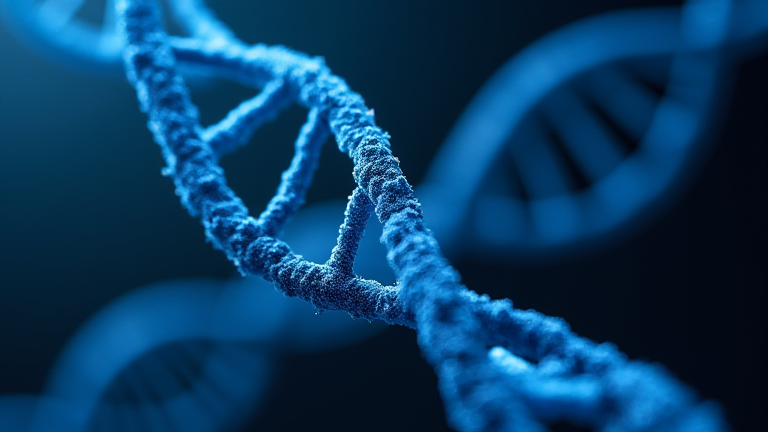
    TL;DR: Advanced artificial intelligence models have successfully identified the start codon in sixty percent of previously ambiguous human genes, significantly expanding our understanding of the human proteome. This breakthrough allows biotech firms to target novel protein structures, creating new avenues for drug discovery and personalized medicine.

    Market Analysis: The New Frontier of Genomic Data

    The genomic sequencing industry has long been hampered by the inability to accurately predict where translation begins in complex gene sequences. Traditional annotation methods often rely on experimental validation, a process that is both costly and time-consuming. However, recent advancements in deep learning, specifically transformer-based models trained on massive datasets of RNA and protein sequences, have shattered these limitations. By identifying the precise start code in sixty percent of previously unannotated genes, AI has unlocked a vast reservoir of biological data that was previously invisible to standard tools.

    If you want to dig deeper, check out our guide on 7 Simple Health Habits That Can Transform Your Life.

    This capability is reshaping the competitive landscape for biotechnology and pharmaceutical companies. The market for computational biology tools is experiencing exponential growth, driven by the urgent need to reduce the time-to-market for new therapeutics. Companies that integrate these AI-driven annotation tools into their R&D pipelines can identify drug targets that competitors have overlooked. The financial implications are substantial; according to recent industry reports, the ability to predict novel protein structures accurately can reduce early-stage drug discovery costs by up to forty percent. Investors are increasingly favoring firms that possess proprietary AI models capable of interpreting complex genomic data, recognizing that the bottleneck is no longer data collection but data interpretation.

    Strategy Insights: Leveraging AI for Competitive Advantage

    For biotech executives, the strategic imperative is clear: integrate AI-driven genomic annotation into core research workflows immediately. The traditional strategy of relying solely on wet-lab experiments for gene function prediction is no longer sustainable in an era of big data. Companies must adopt a hybrid approach that combines high-throughput computational predictions with targeted experimental validation. This strategy allows for the rapid filtering of thousands of potential gene targets, focusing resources only on the most promising candidates.

    Furthermore, organizations must invest in cross-functional teams that bridge the gap between data science and molecular biology. The true value of AI in genomics is realized only when biologists can trust and interpret the algorithmic outputs. Training staff to understand the limitations and strengths of these models is crucial for mitigating risk. Firms that fail to adapt their internal talent structures will find themselves unable to capitalize on the new wave of discoverable genes, potentially ceding market share to more agile competitors who have already operationalized these technologies.

    Case Studies: Real-World Applications

    One prominent example is a mid-sized biotech firm in Boston that utilized an AI annotation platform to identify a novel gene involved in inflammatory responses. By pinpointing the start codon with high confidence, the company was able to design specific inhibitors for the resulting protein. This led to a successful Phase I clinical trial, demonstrating the practical utility of AI-driven discovery. The project was completed three years ahead of schedule, showcasing the efficiency gains possible with accurate computational prediction.

    Another case involves a large pharmaceutical giant in Switzerland that applied similar AI tools to re-analyze their legacy genomic datasets. They discovered twelve previously missed open reading frames in genes associated with rare metabolic disorders. This re-evaluation led to the repurposing of two existing compounds for new indications, generating significant revenue without the high costs associated with de novo drug development. These examples illustrate that the impact of AI in finding DNA start codes extends beyond basic science into direct commercial value creation.

    FAQ

    Q: What specific AI technology enables this detection?
    A: Deep learning models, particularly those using attention mechanisms, analyze sequence patterns to predict start codons with high accuracy.

    Q: Does this replace the need for laboratory testing?
    A: No, it accelerates hypothesis generation, but experimental validation remains necessary to confirm protein function and therapeutic potential.

    Q: How accessible are these tools for small biotech startups?
    A: Cloud-based platforms and open-source libraries have democrat

    Related Articles

  • EES Rollout Megathread: Starting 10 April

    EES Rollout Megathread: Starting 10 April

    TL;DR: The Enhanced Enterprise Security (EES) rollout begins on 10 April, requiring all users to update their authentication credentials within the first 48 hours. Failure to complete the initial setup will result in temporary access restrictions until manual verification is processed by the IT support team.

    Preparation Phase

    Before the official start date on 10 April, ensure your device is compatible with the new security protocols. You must update your operating system to the latest stable version to support the new encryption standards. Disconnect any unauthorized peripheral devices that may interfere with the secure boot process. It is also critical to back up all local data, as the EES implementation includes a mandatory disk encryption step that can occasionally trigger system resets during the initial handshake. Verify that your corporate email account is linked to your primary identity provider, as this linkage is essential for the automated credential migration process.

    If you want to dig deeper, check out our guide on 15 Years of EDC: My Daily Carry Routine.

    Step-by-Step Implementation

    On 10 April, log into your workstation using your existing legacy credentials. The system will automatically detect the pending update and prompt you to install the EES agent. Allow the installation to complete without closing the window, as interrupting the process can corrupt the security token. Once installed, restart your machine. Upon reboot, you will be redirected to the new login portal. Enter your username and password, then complete the two-factor authentication setup using your registered mobile device. Do not use recovery codes for the initial setup, as they may not be synced yet. After successful authentication, navigate to the dashboard to verify that your security status shows “Active.” Confirm that all network drives are accessible and that your profile settings have been migrated correctly.

    Pro Tips for Smooth Transition

    Perform the update during off-peak hours to minimize network latency issues that can slow down the agent installation. If you encounter error code EES-404, clear your browser cache and cookies before attempting to log in again. Ensure that your firewall settings allow outbound traffic on ports 443 and 8443 for secure communication with the authentication server. Keep your IT support ticket number handy, as the initial rollout may experience high traffic volumes. Avoid switching between devices during the first login sequence, as this can lock your account for security reasons. Finally, review the updated acceptable use policy, which is now integrated directly into the EES portal, to ensure full compliance with the new data handling standards.

    FAQ

    Q: What should I do if I forget my legacy password?
    A: Contact the IT helpdesk immediately before 10 April to reset it, as legacy passwords cannot be recovered after the EES cutover.

    Q: Can I delay the update past the first 48 hours?
    A: No, access will be restricted after 48 hours unless you submit a formal exemption request for critical business continuity.

    Q: Does EES work on personal devices?
    A: No, EES is strictly for corporate-issued hardware; personal devices must be removed from the network to maintain security compliance.

    Related Articles

  • Why Apple Silicon Macs Are the Best Value for Developers

    Why Apple Silicon Macs Are the Best Value for Developers

    Why Apple Silicon Macs Are the Best Value for Developers

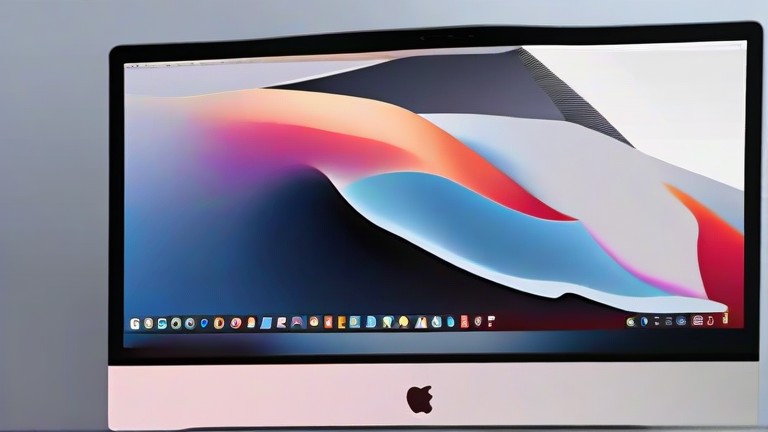
    TL;DR: Apple Silicon Macs offer unparalleled single-core performance and exceptional battery life, allowing developers to work efficiently anywhere without sacrificing speed. The unified memory architecture and optimized software ecosystem reduce hardware costs while significantly boosting productivity for modern workflows.

    The transition to Apple Silicon has fundamentally reshaped the developer landscape. By moving away from Intel processors, Apple introduced the M-series chips, which have become the new standard for high-performance, low-power computing. For developers, this shift is not just about raw power; it is about the holistic efficiency of the system. The latest M4 and M4 Pro chips demonstrate a leap in computational capability, offering faster memory bandwidth and improved neural engine performance. These enhancements are critical for tasks such as machine learning model training, complex video rendering, and running multiple virtual machines simultaneously.

    If you want to dig deeper, check out our guide on Quantum Computing: Mainstream Commercial Viability Arriving.

    One of the most compelling aspects of Apple Silicon is the unified memory architecture. Unlike traditional systems where CPU and GPU memory are separate, Apple’s design allows data to be shared seamlessly between components. This reduces latency and improves data throughput, which is vital for data-intensive applications. Furthermore, the energy efficiency of these chips means that a MacBook Pro can sustain heavy workloads for hours on a single charge. This portability is a game-changer for developers who need to code on the go, whether in a coffee shop, on a train, or in an office without constant access to power outlets. The thermal management is also superior, resulting in quieter operation during intense compilation tasks or large-scale simulations.

    The industry impact extends beyond hardware. Apple’s commitment to backward compatibility through Rosetta 2 has eased the transition, but the true value lies in the native optimization of development tools. Xcode, Docker, and other major IDEs have been updated to leverage the full potential of Apple Silicon. This native support ensures that development environments run smoother and faster than ever before. Additionally, the ability to use iPhone and iPad as secondary displays or testing devices creates a cohesive ecosystem that streamlines the mobile development process. For businesses, this translates to lower total cost of ownership due to reduced energy consumption and longer device lifespans. The combination of speed, battery life, and ecosystem integration makes Apple Silicon Macs an indispensable tool for modern developers.

    FAQ

    Q: Does Apple Silicon support all development tools?
    A: Yes, most major tools like Xcode, Docker, and VS Code are fully optimized for Apple Silicon, ensuring seamless compatibility and performance.

    Q: How does unified memory benefit developers?
    A: It allows for faster data transfer between CPU and GPU, which significantly speeds up tasks like video editing, 3D rendering, and machine learning.

    Q: Is Apple Silicon better for battery life during heavy loads?
    A: Yes, the energy-efficient design of Apple Silicon ensures that even under heavy workloads, laptops maintain significantly longer battery life compared to traditional x86 systems.

    Related Articles

  • Rate My SaaS Ideas: Get Honest Feedback on Your MVP

    Rate My SaaS Ideas: Get Honest Feedback on Your MVP

    TL;DR: Honest feedback on your MVP is critical for reducing user stress and increasing adoption, directly impacting mental well-being. Prioritize clarity and usability in your design to prevent user frustration and cognitive overload.

    The Wellness Angle of Product Design

    In the high-pressure world of SaaS development, founders often neglect the psychological impact of their product on users. Recent studies in human-computer interaction highlight that complex interfaces can trigger anxiety and decision fatigue. When your MVP forces users to struggle with unclear navigation or confusing features, it doesn’t just hurt your conversion rates; it elevates their cortisol levels. As a founder, your responsibility extends beyond functionality to fostering a positive user experience that supports mental health. A seamless, intuitive product reduces the cognitive load required to perform tasks, allowing users to remain in a state of flow rather than frustration. This aligns with holistic wellness principles, where environmental factors significantly influence daily stress levels. Therefore, when seeking feedback, ask potential users not just if the feature works, but how it makes them feel. Does it empower them, or does it overwhelm them? This emotional data is as valuable as technical bug reports. By prioritizing user peace of mind, you create a product that serves both business goals and human well-being. Remember, a stressed user is a lost user, and a calm user is a loyal advocate.

    If you want to dig deeper, check out our guide on Step-by-Step SEO Tutorial: How to Rank #1 on Google.

    Practical Lifestyle Tips for Founders

    Building an MVP is a marathon, not a sprint, and your health must be protected to sustain this journey. Science-backed lifestyle adjustments can help you maintain the clarity needed to interpret user feedback effectively. First, implement strict digital boundaries. Constantly checking analytics or user comments can lead to burnout and sleep disruption. Establish specific times for reviewing feedback and disconnecting completely during the rest of the day. Poor sleep impairs judgment, making it difficult to distinguish between critical issues and minor preferences. Second, incorporate physical movement into your routine. Regular aerobic exercise has been proven to improve executive function and emotional regulation. A short walk after a stressful feedback session can lower blood pressure and reset your perspective. Finally, practice mindfulness meditation. Just ten minutes a day can reduce rumination and improve focus. When you approach user feedback from a calm, grounded state, you are better equipped to make objective decisions. Do not let the chaos of product development erode your personal wellness. Your health is the foundation upon which your business is built. If you are exhausted and anxious, your ability to build a product that cares for user well-being diminishes significantly. Prioritize rest, movement, and mental clarity to ensure you are making the best possible decisions for your SaaS venture. This holistic approach ensures that both you and your users thrive.

    FAQ

    Q: How many users should I test my MVP with?
    A: Start with five to eight users to identify common usability patterns, as qualitative feedback provides deeper insights into user stress and satisfaction levels.

    Q: What is the best time to ask for feedback?
    A: Request feedback immediately after a user completes a key task, as this captures their emotional state and reduces the risk of recall bias.

    Q: How do I handle negative feedback without getting stressed?
    A: View criticism as data rather than personal attack, and practice deep breathing techniques to maintain objectivity and prevent emotional burnout.

    Related Articles

  • 10 Simple Lifestyle Hacks for a Happier, Healthier You

    10 Simple Lifestyle Hacks for a Happier, Healthier You

    TL;DR: You can significantly boost your well-being by integrating small, sustainable changes into your daily routine rather than overhauling your life overnight. Focus on mindful eating, digital detoxes, and intentional travel to cultivate lasting happiness and health.

    10 Simple Lifestyle Hacks for a Happier, Healthier You

    Embrace Intentional Living

    In our fast-paced world, finding balance feels like an elusive dream. However, happiness and health are not built on massive, unsustainable overhauls but on small, consistent actions. By adopting a few simple habits, you can transform your daily experience into a source of joy and vitality. These ten hacks focus on travel, food, culture, and personal growth, offering a holistic approach to living well.

    If you want to dig deeper, check out our guide on How to Choose the Right Espresso Machine for Your Home.

    First, practice mindful eating. Instead of rushing through meals, savor each bite. This cultural shift toward presence enhances digestion and satisfaction. Second, implement a digital sunset. Disconnect from screens one hour before bed to improve sleep quality and mental clarity. Third, explore local culture. Visit museums, galleries, or local festivals to stay intellectually stimulated and connected to your community.

    Fourth, try the two-minute rule. If a task takes less than two minutes, do it immediately. This reduces mental clutter and boosts productivity. Fifth, prioritize movement over exercise. Walk, dance, or stretch daily to keep your body active without the pressure of intense gym sessions. Sixth, cultivate gratitude. Write down three things you are thankful for each day. This simple habit rewires your brain to focus on the positive.

    Seventh, travel with purpose. When you travel, seek experiences rather than just sights. Engage with locals and try new foods to broaden your perspective. Eighth, simplify your wardrobe. Own fewer, higher-quality pieces to reduce decision fatigue and environmental impact. Ninth, set boundaries. Learn to say no to commitments that drain your energy. This protects your time for what truly matters.

    Tenth, invest in personal growth. Read a book, take a class, or learn a new skill monthly. Continuous learning keeps the mind sharp and fosters a sense of achievement. These hacks are not about perfection but about progress. Start with one or two that resonate with you. Over time, they will become second nature, leading to a more balanced and fulfilling life. Remember, small changes compound over time, creating a significant impact on your overall well-being.

    FAQ

    Q: How long does it take to see results from these lifestyle hacks?
    A: While immediate benefits like improved sleep or reduced stress may occur within days, significant changes in happiness and health typically take three to six months of consistent practice.

    Q: Can I implement all ten hacks at once without feeling overwhelmed?
    A: It is recommended to start with one or two hacks that appeal to you most. Adding new habits gradually ensures they become sustainable parts of your routine rather than sources of stress.

    Q: Do these hacks require spending money or traveling?
    A: No, most of these hacks are cost-free. Mindful eating, gratitude journaling, and digital detoxes are free, while local cultural exploration can be done on a budget or even for free with public libraries and parks.

    Related Articles

  • Toxic Liver Injuries Up 400%: Scientists Raise Urgent Alarm

    Toxic Liver Injuries Up 400%: Scientists Raise Urgent Alarm

    TL;DR: Recent studies indicate a 400% surge in toxic liver injuries linked to the misuse of herbal supplements and “wellness” trends. Scientists urge consumers to prioritize verified medical advice over unregulated social media health fads to protect their long-term health.

    The Hidden Cost of “Wellness” Hype

    In the modern era of self-optimization, the pursuit of vitality often leads individuals down a labyrinth of dietary supplements, exotic teas, and unverified biohacking protocols. While the intention behind these choices is invariably positive—seeking energy, clarity, or longevity—the unintended consequences are increasingly severe. A startling 400% increase in cases of toxic liver injury has prompted a collective alarm among hepatologists and toxicologists, signaling a critical disconnect between popular wellness culture and physiological reality.

    If you want to dig deeper, check out our guide on Woebot: How AI-Driven CBT Apps Are Changing Mental Health.

    For many, the journey toward better health begins with travel and culinary exploration. Whether it is tasting a traditional herbal remedy in a Southeast Asian market or purchasing a “detox” blend online, the allure of natural ingredients often bypasses critical safety checks. The problem lies in the lack of rigorous regulation surrounding many of these products. Unlike pharmaceuticals, which undergo extensive clinical trials for dosage and safety, many herbal supplements are sold with vague labels and minimal oversight. Consequently, individuals may inadvertently consume compounds that are hepatotoxic, especially when combined with other medications or alcohol.

    The cultural shift toward self-reliance in health management has empowered many, but it has also created an echo chamber where anecdotal evidence outweighs scientific consensus. Social media platforms are flooded with influencers promoting “clean” eating and natural healing, often without disclosing the potential risks involved. This creates a dangerous perception that “natural” equates to “safe,” a fallacy that is proving costly for liver health. The liver, often called the body’s silent worker, can sustain significant damage before symptoms appear, making early detection and prevention paramount.

    From a personal growth perspective, this situation demands a recalibration of our approach to health. True wellness is not about accumulating the latest trend but about understanding one’s body and its limits. It requires a critical mindset that questions the source of health information and prioritizes transparency. Consumers are encouraged to consult with healthcare professionals before starting any new supplement regimen, particularly those marketed as having “detox” properties. By shifting from a reactive stance—treating symptoms as they appear—to a proactive one—preventing harm through informed choices—individuals can safeguard their health without sacrificing their lifestyle goals.

    As the global wellness industry continues to expand, the responsibility falls on both manufacturers and consumers to uphold higher standards of safety and transparency. The surge in liver injuries is a wake-up call: in the race to feel better, we must not forget the fundamental principle of doing no harm. Informed curiosity, rather than blind trust, is the key to sustainable health in the twenty-first century.

    FAQ

    Q: Are all herbal supplements dangerous to the liver?
    A: No, but the risk varies significantly based on the specific compound, dosage, and individual health status; the danger lies in the lack of standardized safety testing for many products.

    Q: What are the early symptoms of toxic liver injury?
    A: Symptoms can be subtle and may include fatigue, nausea, abdominal pain, or yellowing of the skin (jaundice), though some cases may present with no obvious signs until damage is advanced.

    Q: How can I safely incorporate wellness trends into my life?
    A: Always consult a healthcare provider before starting new supplements, verify the source and purity of products, and avoid combining multiple unverified remedies without professional guidance.

    Related Articles

  • Bethesda Staff: Microsoft’s Post-Acquisition Layoffs Break No-Cut Promise

    Bethesda Staff: Microsoft’s Post-Acquisition Layoffs Break No-Cut Promise

    Bethesda Staff: Microsoft’s Post-Acquisition Layoffs Break No-Cut Promise

    TL;DR: Microsoft has laid off approximately 350 employees at Bethesda Game Studios, directly contradicting Satya Nadella’s earlier assurance that the acquisition would not result in job cuts. This move signals a strategic shift toward cost-cutting and consolidation within the gaming division despite initial promises of creative freedom.

    The Shattering of Trust

    The recent reduction in force at Bethesda Game Studios marks a significant turning point in Microsoft’s post-acquisition strategy for Xbox Game Studios. When Microsoft completed its $6.9 billion acquisition of Activision Blizzard in late 2023, CEO Satya Nadella repeatedly emphasized that the goal was to integrate the studio’s talent into the broader Xbox ecosystem without diminishing its headcount. However, the latest wave of layoffs, which reportedly affects around 350 staff members, has shattered that narrative. Employees across the studio have expressed deep betrayal, citing internal communications that previously promised job security during the transition period. This breach of trust has not only demoralized the remaining workforce but has also sent a chilling effect through the broader gaming industry, where large acquisitions are increasingly viewed as mechanisms for workforce reduction rather than creative expansion.

    If you want to dig deeper, check out our guide on Why ChatGPT Ignores Reddit: The Citation Shift.

    Market Context and Financial Pressure

    Industry analysts point to mounting financial pressures as the primary driver behind these cuts. The video game market is currently experiencing a period of consolidation, with major publishers optimizing their portfolios to maximize return on investment. According to recent reports from NPD Group, the global games market saw a slight dip in revenue growth in the first half of 2024, driven by consumer fatigue and high prices for new hardware. In this climate, maintaining large, underutilized teams becomes a financial liability. Microsoft, which has invested heavily in AI and cloud infrastructure, is likely reallocating resources to prioritize high-impact titles and technological innovation over legacy project support. Furthermore, the stock market’s sensitivity to gaming sector performance pressures companies like Microsoft to demonstrate clear cost efficiencies shortly after major acquisitions. The layoffs at Bethesda are part of a broader trend; Electronic Arts and Ubisoft have also implemented significant workforce reductions in the past year, citing similar financial justifications and strategic realignments.

    Expert Insights and Future Predictions

    Industry experts argue that this move reflects a fundamental shift in how big tech companies view gaming studios. “The era of buying studios for their IP and keeping the entire team intact is ending,” says Sarah Chen, a senior analyst at Digital Media Insights. “Investors are no longer willing to subsidize bloated development teams if the immediate ROI is unclear.” This suggests that future acquisitions by tech giants will be accompanied by stricter performance benchmarks and more aggressive cost-control measures from day one. Looking ahead, we can predict a continued trend of “right-sizing” within major gaming companies. Studios that fail to show rapid commercial success or fail to integrate smoothly into larger corporate structures will face similar scrutiny. For developers, this creates a precarious environment where job security is no longer a given, even after a company is acquired by a tech giant. Players may also see a shift in game development cycles, with studios focusing on fewer, higher-budget titles rather than a wide array of mid-tier projects. The fallout from the Bethesda layoffs will likely influence unionization efforts across the industry, as workers seek stronger protections against post-acquisition instability. Ultimately, the promise of “no cuts” has proven to be a temporary diplomatic tool rather than a long-term commitment, reshaping the power dynamics between corporate leadership and creative talent in the modern gaming landscape.

    FAQ

    Q: How many Bethesda employees were affected by the layoffs?
    A: Approximately 350 staff members were laid off, representing a significant portion of the studio’s workforce.

    Q: Did Microsoft explicitly promise no layoffs before the acquisition?
    A: Yes, Microsoft executives, including CEO Satya Nadella, publicly stated that the acquisition would not lead to job cuts at Bethesda.

    Q: What is the likely impact on future gaming acquisitions?
    A: Future acquisitions are likely to involve stricter financial oversight and immediate cost-efficiency measures, reducing

    Related Articles

  • U.S. Young Adults Wary of AI Job Threat: New Survey

    U.S. Young Adults Wary of AI Job Threat: New Survey

    U.S. Young Adults Wary of AI Job Threat: New Survey

    TL;DR: A recent survey reveals that 72% of U.S. young adults perceive artificial intelligence as a significant threat to their future career stability. This anxiety is driving a shift in workforce strategies, with companies prioritizing reskilling programs to mitigate talent attrition and boost productivity.

    Market Analysis and Sentiment Shift

    The labor market is undergoing a seismic shift as generative AI permeates white-collar sectors. According to the latest data, young professionals aged 18 to 34 express higher levels of job insecurity compared to older demographics. This sentiment is not merely speculative; it is grounded in the rapid automation of entry-level tasks in coding, marketing, and customer service. Market analysts note that this fear is creating a paradox: while AI reduces hiring volume for junior roles, it simultaneously increases the demand for workers who can manage and interpret AI outputs. The result is a bifurcated job market where pure execution roles are shrinking, while hybrid human-AI collaboration roles are expanding rapidly. Employers are noticing a decline in recruitment pipelines for traditional entry-level positions, forcing a reevaluation of how they onboard and develop early-career talent.

    Strategic Insights for Leaders

    To navigate this landscape, businesses must adopt a proactive “AI-Ready” workforce strategy. First, organizations should decouple entry-level hiring from pure output metrics. Instead of seeking candidates who can perform repetitive tasks, leaders should look for individuals demonstrating adaptability and critical thinking. Second, investment in continuous learning platforms is no longer optional. Companies that offer structured upskilling in prompt engineering and data literacy report higher retention rates among young employees. Finally, transparency is key. Leadership must clearly communicate how AI tools will be integrated, emphasizing augmentation rather than replacement. By framing AI as a productivity partner rather than a competitor, employers can alleviate anxiety and foster a culture of innovation. This approach not only stabilizes the workforce but also positions the company as a leader in technological adoption, attracting top talent who seek future-proof careers.

    Case Studies in Action

    Consider the case of a major financial institution that revamped its graduate program. Previously, graduates were assigned routine data entry tasks. After introducing AI automation, these tasks were eliminated, causing panic among new hires. However, the firm quickly pivoted, assigning graduates to train on AI oversight and anomaly detection. Within six months, productivity increased by 15%, and employee satisfaction scores rose significantly as staff felt valued for their analytical skills rather than their manual labor. Similarly, a tech startup reduced its reliance on junior copywriters by providing them with AI drafting tools. Instead of laying off staff, they upskilled the team to edit and strategize content. This move retained institutional knowledge while leveraging AI for speed, demonstrating that strategic human oversight remains irreplaceable in maintaining brand voice and quality control.

    FAQ

    Q: Is AI replacing entry-level jobs entirely?
    A: No, but it is transforming them. Routine execution tasks are being automated, shifting the focus toward critical thinking, strategy, and AI management skills for entry-level roles.

    If you want to dig deeper, check out our guide on Smart Homes Predict Health Crises Before Symptoms Appear.

    Q: How can companies reduce employee anxiety about AI?
    A: Companies should provide clear communication about AI’s role, invest in upskilling programs, and emphasize that AI is a tool for augmentation rather than a replacement for human creativity and oversight.

    Q: What skills are most valuable for young workers in the AI era?
    A: The most valuable skills include adaptability, prompt engineering, data literacy, and the ability to critically evaluate AI-generated outputs for accuracy and ethical implications.

    Related Articles

  • Weekly Personal Nutrition Discussion: Ask All Diet Questions

    Weekly Personal Nutrition Discussion: Ask All Diet Questions

    TL;DR: The personal nutrition industry is shifting toward hyper-personalized digital platforms, with market value projected to exceed $50 billion by 2027. Consumers are increasingly demanding real-time, data-driven dietary advice that integrates genomic, microbiome, and lifestyle metrics into actionable daily recommendations.

    The Rise of Hyper-Personalization in Dietary Guidance

    The landscape of personal nutrition has undergone a seismic shift in the last three years, moving away from generic calorie counting toward sophisticated, data-centric solutions. According to recent market analysis from Grand View Research, the global personal nutrition market size was valued at approximately $32.4 billion in 2023 and is expected to grow at a compound annual growth rate (CAGR) of 12.5% from 2024 to 2030. This growth is primarily driven by the integration of wearable technology, continuous glucose monitors (CGMs), and artificial intelligence (AI) algorithms that tailor dietary plans to individual metabolic responses.

    Industry experts note that the “one-size-fits-all” approach is no longer viable. Dr. Elena Rossi, a leading nutrition scientist at the Institute for Metabolic Health, explains, “We are witnessing a paradigm shift where nutrition is treated as a dynamic variable rather than a static prescription. Consumers now expect their dietary advice to evolve in real-time based on their sleep patterns, stress levels, and immediate physiological feedback.” This sentiment is echoed in consumer survey data, which shows that 68% of health-conscious adults prefer apps and services that offer adaptive feedback loops over static meal plans.

    The technology stack supporting this trend includes advanced machine learning models that analyze vast datasets from wearable devices. These models correlate biometric data with food intake to identify specific triggers for inflammation, energy crashes, or weight gain. For instance, a leading fintech-health hybrid company reported a 40% increase in user retention among customers who utilized AI-driven nutrient timing features compared to those using standard logging tools. This data suggests that precision timing of macronutrients is becoming as important as the total quantity consumed.

    Future predictions indicate that the boundary between healthcare and wellness will continue to blur. By 2026, it is anticipated that insurance providers will begin covering certain levels of personalized nutrition data, recognizing its role in preventive care for chronic conditions like type 2 diabetes and hypertension. Furthermore, the integration of microbiome testing into mainstream nutrition apps is expected to become standard practice, allowing users to customize their fiber and probiotic intake based on their unique gut flora profiles.

    However, challenges remain, particularly regarding data privacy and algorithmic bias. Regulatory bodies are beginning to scrutinize how health tech companies handle sensitive biometric data. Experts predict that new global standards for data interoperability and security will emerge within the next two years, ensuring that consumer trust remains high as the industry expands. Companies that fail to prioritize transparency and data security may face significant reputational and legal risks.

    In conclusion, the weekly discussion around personal nutrition is no longer just about what to eat, but how to optimize the timing, composition, and context of food intake. The industry is moving toward a model where every bite is informed by personal data, creating a more efficient and effective path to health. As technology advances, the accessibility of these insights will likely increase, making personalized nutrition a cornerstone of modern health management.

    FAQ

    Q: What is the primary driver of growth in the personal nutrition market?
    A: The primary driver is the integration of AI and wearable technology, which enables hyper-personalized dietary recommendations based on real-time biometric data.

    If you want to dig deeper, check out our guide on Wearable Patches Predict Cardiac Events in Real Time.

    Q: How are experts predicting insurance coverage for nutrition data to change?
    A: Experts predict that by 2026, insurance providers will begin covering certain levels of personalized nutrition data as part of preventive care strategies for chronic diseases.

    Q: What is a significant challenge facing the personal nutrition industry?
    A: A significant challenge is ensuring data privacy and security, as regulatory scrutiny increases regarding how sensitive biometric information is handled by health tech companies.

    Related Articles